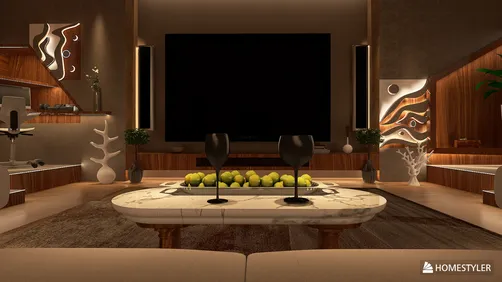
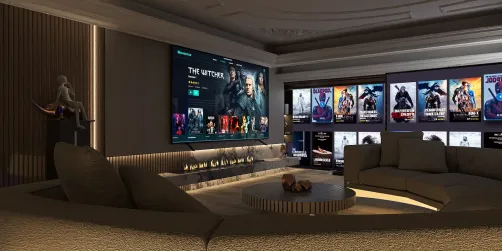
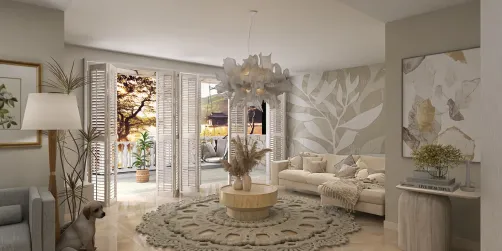
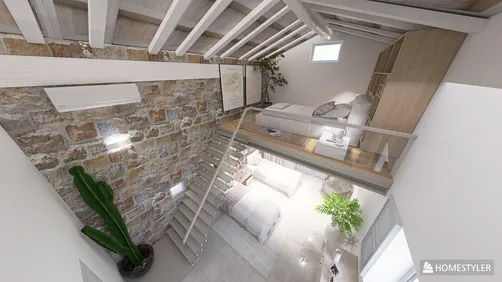
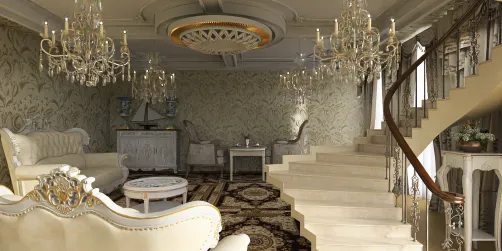
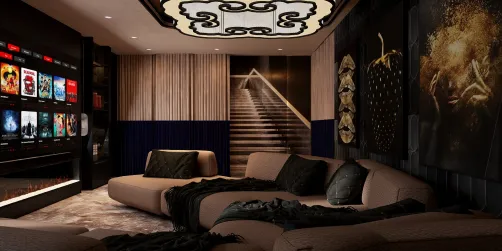
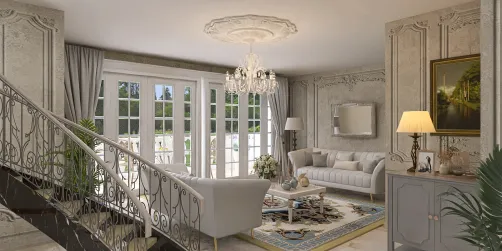
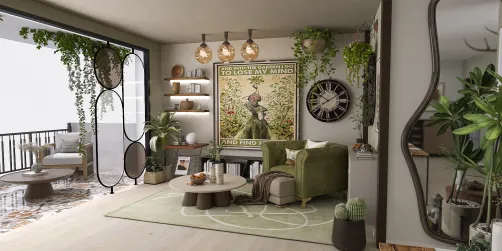
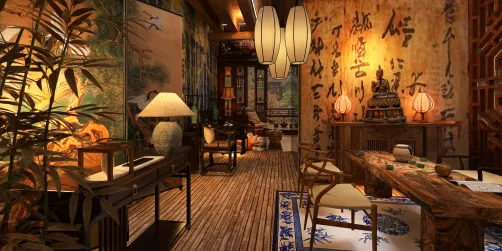
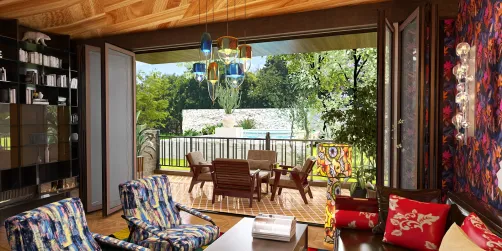
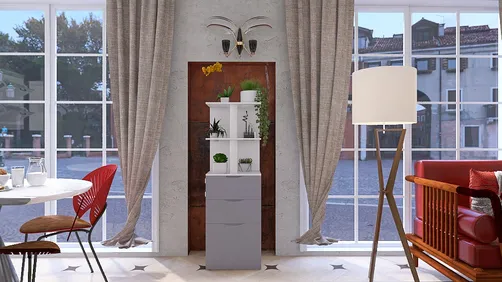
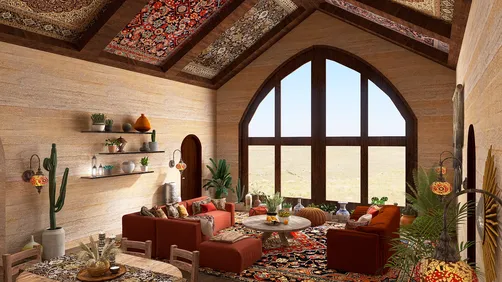
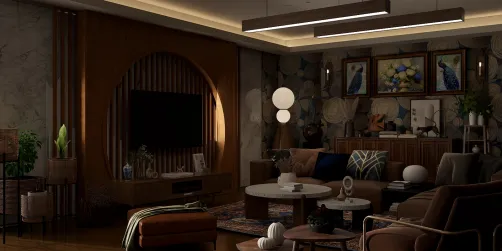
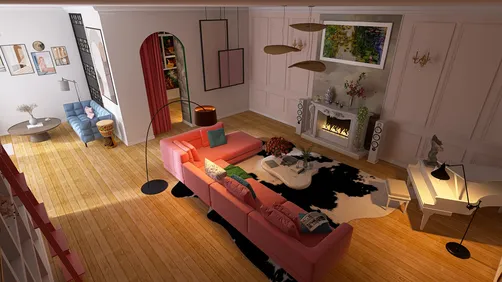
Maroon infuses small rooms with depth, warmth, and an elegant sophistication when applied thoughtfully and layered intelligently. In constrained spaces, my emphasis is on balancing light reflectivity, contrast, and tactile finishes to ensure that maroon appears rich rather than oppressive. According to WELL v2 guidelines, ambient lighting should range from 215 to 300 lux in living areas to enhance visual comfort, while task areas should escalate to between 300 and 500 lux, particularly important when working with a dark color like maroon. Research from Steelcase indicates that environments combining visual engagement with focus can mitigate cognitive load and enhance occupants' sense of control—this principle influences my approach of creating serene maroon palettes complemented by structured lighting and clearly defined furniture zones using tools like Homestyler.
Understanding color psychology is crucial: Verywell Mind suggests that deep reds can evoke feelings of warmth, passion, and energy, but it's vital to temper that intensity. I balance maroon's opulence with lighter neutrals such as warm greige, ivory, or oatmeal, mid-toned woods, and muted greens to maintain an emotional equilibrium. For compact areas, I often apply a 60-30-10 scheme: 60% soft neutrals, 30% maroon accents or a single feature wall, and 10% metallics or contrasting colors. This strategy keeps the ambiance sophisticated yet breathable, avoiding the visual compression associated with overusing dark tones. In layout designs, I frequently utilize a room planning tool to test sight lines and circulation to refine the scale and anchor points effectively.
Create a Stunning Maroon Feature Wall
I recommend using a matte or soft eggshell maroon on one wall behind key furniture like the sofa or bed to establish a focal point without making the space feel confined. Opt for paints with a reflectance value of 0.20 to 0.30 to reduce glare, and pair this with task lamps providing 300 to 500 lux to prevent excessive light absorption by the surface. Accentuate with light-colored trim and ensure adjacent walls have a light reflectance value of 70–80% for contrast and clarity. If the space feels constrained, consider applying maroon to the shorter wall to create a sense of depth.
Layer Lighting for Depth and Comfort
Dark colors require thoughtful lighting layers. I blend indirect cove lighting (2700–3000K for warmth) with adjustable table lamps and high-CRI (90+) pendant lights to accurately showcase maroon. The IES standards suggest optimizing task zones with higher brightness levels while ambient lighting should avoid sharp contrast ratios—this approach will benefit your eyes. Aim for a 3:1 contrast between key areas and ambient light to keep shadows soft. In very small living areas, I often place up-lighting behind plants or curtains; it gently illuminates the maroon walls, producing a luxurious glow without emphasizing imperfections.
Textiles: Velvet, Bouclé, and Wool Blends
Textiles help soften maroon and enhance acoustic comfort in smaller, vibrant spaces. Integrating a maroon velvet ottoman or bouclé cushions adds a layer of tactile richness and sound absorption. Combine these with wool-blend rugs in oatmeal or soft sand for an appealing balance of warmth and texture. In tighter spots, opt for compact furniture pieces—round ottomans, slipper chairs, or armless lounge chairs—to maintain circulation while adding pops of maroon unobtrusively.
Furniture Scale and Visual Balance
Scale is critical. I prefer low-profile, leggy furniture so that maroon elements don't appear cumbersome. A slender maroon accent chair is generally more effective than a bulky maroon sofa in smaller spaces. Keep furniture lines streamlined and ensure each maroon piece has sufficient space around it—aim for at least 450 to 600 mm of clearance around primary seating pathways—allowing the color to feel deliberate and not overpowering. If a full maroon piece is necessary, break it up with lighter throws and wooden side tables.
Smart Pairings: Neutrals, Greens, and Metals
Maroon pairs beautifully with muted greens (like sage or eucalyptus) and brushed metals (such as antique brass or soft black) to evoke understated elegance. I steer clear of high-chrome finishes that may clash with maroon's depth. In kitchens or small dining areas, maroon banquette seating against light-colored beadboard and oak flooring achieves that refined yet cozy ambiance. Maintain a warm color temperature (2700–3000K) to enhance maroon’s rich wine hue without allowing it to appear too brown.
Ceiling and Trim Strategy
To prevent a cave-like effect, it's best to keep ceilings light and the trim slightly warmer than pure white—consider shades like ivory or light putty—to smooth out stark corners. For a cocoon-like atmosphere in a small bedroom, paint the lower two-thirds maroon and the upper third a soft neutral, separated by a slender chair rail; this maintains the vertical lift while delivering satisfying color saturation.
Compact Bedrooms: Maroon for Restful Intimacy
In smaller bedrooms, I use maroon sparingly, particularly around the headboard area, opting for natural linens and low-gloss finishes to minimize glare. Nightstands crafted from walnut or ash alongside warm accent lighting ground the overall color palette. Keep reflective elements to a minimum; one framed mirror positioned opposite a window provides enough bounce light without contributing to visual clutter.
Micro Living Rooms and Studios
Maroon shines as a focal point in open studio layouts. Define different areas with rugs and lighting: a maroon ottoman in the lounge, a slender maroon line along cabinetry pulls, and art pieces featuring maroon accents for continuity. If you're rearranging furniture or thinking of circulation paths, a room design tool like Homestyler can help you test scale and pathway efficiency prior to finalizing your layout.
Entryways and Nooks
A maroon console table, coat hook rail, or bench can bring a chic touch to small entryways. Balance these with a light runner and soft ceiling lighting. Prioritize vertical storage—narrow shelves or wall-mounted rails—so color and functionality coexist without crowding the floor area.
Finish Counts: Paint, Stain, and Wallcovering
Choose low-VOC paints and consider using washable finishes in areas that experience high traffic. To add dimension, opt for textured grasscloth in maroon, which introduces gentle shadowing and elevates simple furniture pieces. For rentals, removable maroon wallcoverings or fabric panels offer a reversible method to inject character into your space.
Art, Accessories, and Rhythm
Utilize maroon as a repeating element rather than a large block of color: picture frames, lamp shades, ceramics, or a single stripe in a print can work well. Establish a rhythm—repeat the color three times throughout the room to create cohesion, ensuring pieces are spaced appropriately to avoid visual clumping.
Acoustic Comfort in Small Rooms
Compact spaces can amplify noise levels. Using upholstered maroon elements, heavy drapes, and plush rugs effectively reduces reverberation. If you incorporate a maroon wall, consider soft-finish paints and fabric panels behind seating to minimize noise and enhance conversation clarity.
Sustainability and Material Choices
I prioritize FSC-certified wood, textiles made from recycled content, and durable finishes so that maroon accents remain attractive over time. Darker colors are fortuitous for concealing wear, particularly in small, high-traffic areas. Balance this depth with natural light and efficient LED lighting to maintain smart energy consumption.
Quick Guide to Lighting and Ergonomics
- Ambient: 215–300 lux for living spaces; bedrooms should be at the lower end of this range.
- Task: 300–500+ lux is ideal for reading, preparation, or home office work.
- Color temperature: Use 2700–3000K to flatter maroon's richness.
- CRI: Look for a CRI of 90+ to ensure accurate color representation.
Maroon Palette Inspirations
- Classic: Maroon combined with ivory, walnut, and antique brass.
- Fresh: Maroon paired with eucalyptus green, pale oak, and matte black.
- Minimal: Maroon alongside warm greige, linen, and soft nickel.
Simulating Layout Before Painting
Before making a commitment on a bold maroon wall, utilize a room design visualization tool to simulate furniture arrangement, scale, and flow paths. Testing factors like shadow interplay and focal lines helps preserve openness in smaller spaces.
Authoritative References
For standards regarding lighting targets and wellbeing, I refer to WELL v2 guidelines and IES recommendations for optimal illuminance and visual comfort. For more in-depth specifications, consult the structured insights offered by WELL v2 and IES resources.
Frequently Asked Questions
Q1: Will using maroon make my small room feel even smaller?
A1: Not if you effectively balance it with light neutrals and proper lighting. Introduce maroon as a feature wall or in subtle accents, maintain ambient lighting between 215 and 300 lux, and keep surrounding surfaces in a higher LRV to maintain an open feel.
Q2: What lighting temperature works best with maroon?
A2: A warm white range of 2700–3000K complements maroon beautifully. Combine this with dimmable lighting options and CRI 90+ to ensure true color accuracy without dullness.
Q3: Which materials pair nicely with maroon in smaller spaces?
A3: Fabrics like velvet, bouclé, and wool blends offer softness and help with acoustics. Partner these with oak or walnut woods and brushed brass for warmth without creating glare.
Q4: How do I choose the right finish for maroon paint?
A4: Matte or soft eggshell finishes help minimize glare and any surface imperfections. In frequent-use areas, opt for washable low-VOC paints to enhance durability.
Q5: Can I incorporate maroon in a studio apartment without overwhelming the space?
A5: Absolutely—define zones with smaller maroon elements (such as an ottoman, art pieces, or cushions), select leggy and slim furniture, and use rugs and light fixtures to delineate spaces.
Q6: What’s the recommended color ratio for incorporating maroon?
A6: Consider using a 60-30-10 ratio: 60% light neutrals, 30% maroon highlights or an accent wall, and 10% metallics or contrasting shades. This retains contrast and clarity within your design.
Q7: How can I manage acoustics in a small maroon space?
A7: Incorporate upholstered furniture, heavy curtains, and soft rugs. Utilizing textured wallcoverings and soft finishes can help absorb sound and simplify conversations.
Q8: Does maroon work in north-facing rooms?
A8: Yes, it can. Utilize warmer lighting (around 2700K), maintain lighter adjacent walls, and use reflective accents sparingly to ensure the space doesn’t feel too cold or dim.
Q9: Where should I apply maroon in a small bedroom?
A9: The wall behind the headboard is optimal. Keep the ceiling and upper walls light, layer with soft linens, and include warm bedside lighting to avoid a heavy feel.
Q10: How can I assess my layout before painting maroon?
A10: Use a layout simulation platform to model furniture dimensions, flow, and focal lines. This approach mitigates crowding and ensures that the maroon feature wall enhances spatial movement.
Homestyler is your go-to online home design platform! With its user-friendly design tool, stunning 3D renderings, and a wealth of inspiring design projects and DIY tutorials, you can effortlessly transform your living space into something extraordinary. Start creating today!