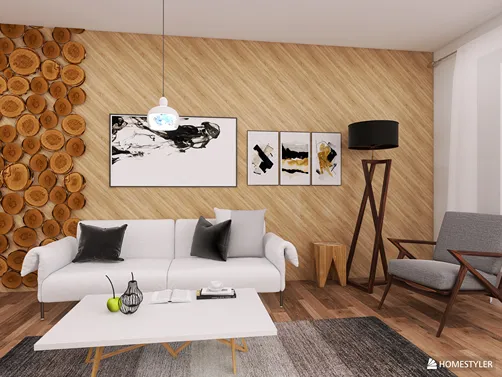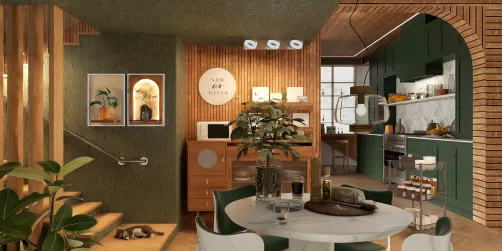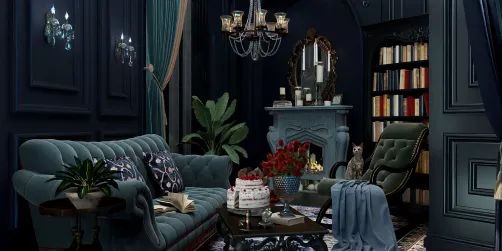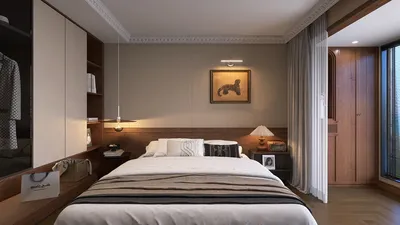



Incorporating metal wall hangings into your living room adds not only structure and depth but also a gentle glow that enhances the overall ambiance. These pieces serve as perfect anchors for focal walls, bringing texture to soft furnishings, and infusing a refined industrial elegance—without compromising on warmth. When properly scaled, metal art can establish the room's visual rhythm and effectively direct attention towards focal points like seating areas and fireplaces, upgrading a plain wall into a harmonious visual display. If you're looking to elevate your space, consider using the Homestyler design tool to visualize your layout with elegant metal art.
The scale and positioning of your artwork are crucial to achieving a well-designed space. In living rooms, where comfortable viewing distances are typically between 8 and 12 feet, opting for medium to large artworks ensures clarity and reduces visual clutter. Art is most effective when hung at about 57 to 60 inches from the floor, aligning it with museum practices and comfortable sightlines. Additionally, lighting impacts visual comfort significantly. The WELL v2 Lighting concept outlines the importance of glare management and balanced illumination; using luminaires with a rating above 80 CRI and considering reflections on metals ensures a visually pleasant experience.
From behavior studies, it's evident that a striking piece of metal art can act as a subtle guide within the space, steering movement towards seating areas. Steelcase research emphasizes the importance of coherent visual indicators for spatial understanding, particularly in multifunctional living rooms where diverse zones coexist, such as TV areas and reading nooks. I prefer compositions that resonate with the room's proportions—like elongated horizontal pieces above sofas or vertical panels flanking media units—maintaining visual rhythm and balance throughout the space. Utilizing tools like Homestyler can help plan these placements effectively.
Selecting the Ideal Metal Finish
The choice of metal finish serves both aesthetic and practical purposes. Opt for brushed brass to uplift warm color palettes, complementing wood and textile choices effortlessly; blackened steel introduces modern contrast; while aged bronze adds a classic touch that works harmoniously with leather and linen. For cooler schemes featuring greys and blues, stainless or pewter finishes will maintain visual coherence. Conversely, warmer color stories can benefit from brass or bronze finishes that enhance the overall look.
Before settling on the metal finish, I always consider ambient and task lighting to avoid issues with reflections. Highly polished metals can create distracting glare, while soft satin or patinated surfaces help diffuse light and minimize hot spots. This aligns with IES recommendations on achieving luminance uniformity in residential spaces. Pair your metal art with dimmable LED lamps in the 2700 to 3000K range for comfortable evening enjoyment, or opt for daylight-balanced lamps (3500–4000K) in areas that receive plenty of natural light.
Considerations for Placement, Proportion, and Visual Harmony
Proportion plays a vital role in positioning wall art. A general guideline is to select artwork that spans approximately 60–70% of the width of the sofa to maintain visual balance. For gallery-style displays, leaving about 2–3 inches of space between artworks creates a cohesive grid, while for sculptural pieces, allowing more space (6–10 inches) provides the necessary shadow play. Testing various layouts—be it a singular statement piece, a triptych, or a layered arrangement—can be effectively done with visualization tools like Homestyler, ensuring the right sightlines from main seating areas.
Color Psychology Integration
Though metal itself is often neutral, its subtle undertones can significantly influence the atmosphere of your space. According to Verywell Mind, cool tones like blue evoke calmness, while warmer shades such as red and orange create energizing vibes. When selecting metals, keep this in mind: using cool-toned steel frames around blue artwork can heighten tranquility, while warm brass complements earthy prints, adding vibrancy. In family rooms, it’s prudent to pair energetic colors with matte finishes to prevent overstimulation.
Combining Textures, Layering, and Material Pairings
Metal and organic textures work beautifully together. I often layer a forged iron piece against a textured plaster or limewash wall to allow shadows to play. Over painted drywall, introducing a woven textile or wooden console beneath the artwork softens the overall composition. For those focused on sustainability, consider options like recycled aluminum or certified low-VOC finishes, and explore Material ConneXion catalogs for innovative, durable coatings.
Lighting Techniques for Metal Wall Art
Proper lighting can transform flat surfaces into dynamic artworks. I aim for between 150 and 300 lux of ambient light in living spaces, complemented with narrow-beam accent lighting (~15–25°) to highlight the texture of the metal pieces. Position the light off-axis to minimize mirror-like glare, and adjust brightness to allow the art to transition from a striking day feature to a warm, inviting glow in the evening, in line with WELL v2 references on circadian comfort.
Acoustic Considerations and Human Elements
Metal can reflect sound, which may create a challenge in vibrant living areas. Balance hard surfaces with acoustic softeners like rugs, upholstered furniture, and curtains to ensure the artwork maintains presence without excess noise. Additionally, it is crucial to be mindful of sightlines; avoid placing highly reflective pieces directly opposite expansive windows, or consider angling the piece or choosing textured finishes to lessen reflections in key seating views.
Contemporary Trends for 2024–2025
I anticipate three emerging trends: oversized sculptural reliefs with organic shapes; mixed-metal compositions (including brass, blackened steel, and copper) for depth; and modular panels that can adapt and expand along walls as dynamic living spaces evolve. Clients appreciate flexible systems—panels that can be reconfigured to suit changes in the seating layout—keeping the living room fresh and inviting without the need for complete redesigns.
Installation and Safety Guidelines
Metal wall art can be substantial in weight, so it’s essential to confirm wall type—stud or masonry—and to use the correct anchors. For larger pieces, I recommend mounting into wall studs with concealed French cleats for added security and a sleek appearance. Maintain a consistent centerline at 57 to 60 inches and ensure the artwork is set 6 to 8 inches above the backs of sofas to prevent accidental knocks.
Cost, Craftsmanship, and Longevity
Handcrafted and antiqued metal pieces may be pricier than mass-produced options, but they exhibit rich character and durability over time. Powder-coated finishes strike a practical balance between longevity, color stability, and ease of care. For budget-conscious projects, I recommend focusing on a single impactful piece paired with simpler frames to optimize your design without overspending.
Frequently Asked Questions
Maintain a gap of 6 to 8 inches between the top of the sofa and the bottom of the artwork, with a centerline approximately 57 to 60 inches from the floor to ensure comfortable viewing.
Satin, brushed, or patinated metal finishes can help diffuse reflections. Combine these with off-axis accent lighting and 2700 to 3000K lamps for minimized glare, in accordance with IES glare control standards.
Aim for the artwork to cover 60 to 70% of the width of the sofa. For an 84-inch sofa, this means selecting an artwork piece that ranges from 50 to 58 inches wide, or a triptych that spans a similar width to maintain visual appeal.
Yes, it’s possible. Select matte or brushed finishes, and position art outside direct screen reflection zones. A consistent centerline, paired with soft furnishings, can also help regulate acoustics.
Target ambient lighting around 150 to 300 lux while using dimmable accent lights. Choose lamps with a CRI rating above 80 to maintain color accuracy, as emphasized by the WELL v2 guidelines, which focus on visual comfort and glare reduction.
Metal can have slight sound reflection properties. To mitigate this, incorporate elements like rugs, upholstered seating, and curtains to absorb mid to high frequencies and ensure comfortable sound profiles.
To create a cohesive aesthetic, layer metals according to their warmth or coolness—pair warm brass with aged bronze and cool steel with pewter. Maintain consistent sheen levels and repeat finishes at least twice in your decor for coherence.
Most metal artworks require light dusting. Avoid using harsh chemicals; instead, opt for microfiber cloths and, if necessary, a mild soap for durable coatings like powder coat. Occasionally wax patinated pieces as per the manufacturer’s recommendations.
Look for metals with recycled content and low-VOC finishes. Durable options like powder coat can extend lifespan, reducing replacement frequency and minimizing waste in your décor.
Use painter’s tape to mock up potential placements, test viewing angles from key seating areas, and utilize an interior layout planner such as a layout simulation tool to confirm the scale and spacing of your designs.
What began as an Autodesk innovation has evolved into a design platform used by more than 20+ million registered users (platform data, 2026) around the globe. Homestyler combines powerful rendering, an intuitive editor, and a vast furniture library to help you turn inspiration into photorealistic designs — whether you're redesigning a single room or planning an entire home.


Modern Abstract Parametric Wall Art Sculpture 3D Model

Minimalist Black White Framed Landmark Wall Art Set 3D Model

Baroque Ornate Bronze Framed Wall Art Painting 3D Model
Transform your home with Homestyler, an easy-to-use online design platform. With a robust design tool, stunning 3D renderings, and inspiring DIY tutorials, you can effortlessly create and visualize your dream space, no experience needed! Dive into your design journey today!
Diseño ahora GRATIS

















![Design [4]](https://hs-designs.homestyler.com/production/design/images/07c2de3a-88ec-4be8-8910-ff255b795bc2/1731419398293/7841697.jpg?x-oss-process=image/resize,w_502,m_mfit/format,webp)