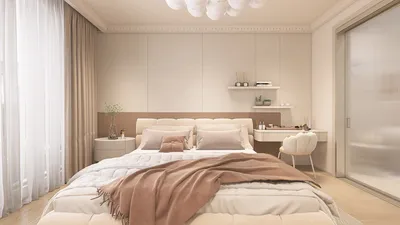


Having worked on heating design for residences and compact studios, I’ve learned that warmth goes beyond just increasing temperature—it encompasses reliable warmth, safe functionality, and appropriate sizing. The right heater inspired by Sunflame can effectively elevate the temperature in a space swiftly, though its efficiency hinges on several factors such as type, wattage compatibility with room size, air circulation, and the overall arrangement of the area.
When it comes to heating specifications, precise measurements are key. Generally, you’ll require around 10 watts per square foot in regions with average insulation, escalating to 12 to 15 watts per square foot in colder or draft-prone environments. For a unit rated at 1500 W, this roughly accommodates spaces between 100 and 150 square feet. In terms of health and comfort, WELL v2 suggests maintaining indoor temperatures between 20 and 24°C (68–75°F) for standard sedentary activities, while keeping humidity levels ideally between 30% and 50% to alleviate discomfort caused by dry air (according to WELL v2 Thermal Comfort and Air standards). Research from Steelcase indicates a direct link between thermal comfort and improved concentration and performance when temperatures remain within this desirable range, highlighting the necessity for effective temperature regulation instead of excessive heat.
Lighting and color play a significant role in enhancing the ambiance, particularly during colder months. Utilizing warm-white ambient lights, typically around 2700–3000K, can foster a feeling of warmth, while controlling glare and incorporating multiple light sources can help prevent eyestrain during winter evenings (as per IES visual comfort standards). Color psychology demonstrates that warm tones such as terracotta, muted ochre, and cinnamon contribute to a cozy environment, which can help to minimize the desire to increase heater settings, thus conserving energy. It's vital to combine these elements with thoughtful space organization to ensure warm air circulation isn’t obstructed or trapped.
Understanding Heaters Inspired by Sunflame
Portable heaters categorized under the Sunflame brand generally fall into four main types: ceramic/ptc convection, oil-filled radiators, infrared (which can be quartz or carbon), and fan-forced coils. Ceramic convection models heat air rapidly and disperse it using a fan, making them ideal for quick warming. In contrast, oil-filled radiators heat more slowly but offer exceptional stability and quiet operation—making them perfect for sleeping areas and nurseries. Infrared heaters directly warm both people and surfaces, alleviating temperature stratification andReducing drafts in open areas. Lastly, fan-coil units are compact and cost-effective but tend to be noisier and dehydrate the air more rapidly.
Choosing the Right Heater According to Room Needs
• For bedrooms: Consider oil-filled or low-glare infrared heaters to ensure quiet, steady warmth.
• For living rooms or open spaces: Opt for infrared or high-quality ceramic heaters equipped with oscillating features for even heat distribution.
• For home offices: Select ceramic PTC models with digital thermostats and safety mechanisms; aim for a temperature of 20 to 22°C to promote concentration (as noted in Steelcase research linking comfort to performance).
• In bathrooms (if permitted): Only utilize heaters that are splash-proof; never employ devices lacking proper ratings near moisture sources.
Sizing Your Heater: Wattage, Volume, and Insulation Quality
Begin by assessing the floor area, making adjustments for the room’s volume and insulation quality. A room with standard insulation and an 2.8 m (9 ft) ceiling behaves predictably; however, spaces with vaulted ceilings or poor sealing may require additional wattage or more efficient zoning. For example, in a 12 ft by 12 ft room with 9 ft ceilings and average insulation, you'd calculate the wattage as follows: 144 square feet times 10 to 12 W, resulting in approximately 1440 to 1728 W; thus, selecting a 1500 W heater with a thermostat would be advisable. If you're rearranging furniture or experimenting with layouts, consider using a room layout tool inspired by Homestyler to visualize positions and optimize airflow.
Core Aspects of Thermal Comfort You Can Experience
True comfort goes beyond just a predefined temperature. Here’s what to aim for:
• Consistent vertical temperature levels (ideally less than a 3°C difference from head to toe).
• Minimal drafts in seating areas (<0.15–0.2 m/s is generally comfortable for sitting activities).
• Maintain a relative humidity between 30% and 50% to help alleviate dry skin and static issues. WELL v2 proposes guidelines around these targets to foster healthier indoor environments.
Enhancing Energy Efficiency and Control
• Employ a digital thermostat featuring 0.5°C increments and adaptive energy-saving modes; excessive heating can waste energy and lead to discomfort.
• Consider a pre-warming technique: activate the heater 10 to 15 minutes before typical usage, then switch to a lower setting.
• Use zonal heating strategies: keep doors closed to minimize heat loss; utilize door sweeps and window seals.
• Layer your environment with textiles: wool carpets and insulated curtains can mitigate conductive and radiant heat loss, allowing for a setpoint reduction of 1 to 2°C without sacrificing comfort.
Acoustics, Light, and Comfort Levels
Sound levels are crucial in small rooms. Oil-filled heaters typically operate in silence, while fan units might range from 35 to 55 dBA, with anything above 50 dBA potentially distracting during work. For evening usage, select heaters that have adjustable brightness or no illumination; blue LED lights can create a cold atmosphere and disrupt a cozy space. Combining these with 2700 to 3000K lamps and indirect lighting can enhance your comfort and lessen the feeling of chill.
Safety Features and Optimal Placement
Prioritize models that include tip-over protection, overheat shutoffs, cool-touch exteriors, and certifications such as UL/ETL. Ensure a minimum clearance of 3 ft (0.9 m) from curtains, bedding, and upholstered furnishings. Avoid using extension cords; connect the heater directly into a wall outlet designed for 15 A or higher. Stay clear of damp areas unless the heater has the relevant IP or splash-resistance ratings. For homes with children or pets, consider oil-filled or enclosed-element heaters and secure cord placements against baseboards.
Strategic Material and Visual Warmth Choices
I often complement a heater’s hard edges with soft textures: using chunky wool blankets, wooden features, and matte paint finishes can reduce glare and enhance the overall warmth perception. Low-saturation color schemes effectively support this; color psychology insights from Verywell Mind indicate that carefully applied reds and oranges can evoke feelings of warmth and vitality.
Effective Layout Strategies to Optimize Heat Efficiency
• Ensure the heater's intake and outflow are not obstructed; refrain from positioning it directly beneath windows where heat can escape.
• Reflect and distribute heat: a low matte shelf positioned behind an infrared heater can help in redirecting gentle warmth; avoid shiny surfaces that may appear cold visually.
• Seat arrangement: place primary seating 6 to 10 ft from infrared sources; for convective heaters, direct airflow towards the occupied area, avoiding ceilings. If rearranging, utilizing a layout simulation tool can help in identifying potential cold spots, which can be found on platforms like Homestyler.
2024-2025 Trends: Low Noise, Zoning, and Reduced Glare
Clients are increasingly favoring low-noise design, adaptive thermostatic controls, and finishes that harmonize with furniture (like muted shades of graphite, bone, or olive). The trend is shifting towards zoned heating—opting for compact, efficient heaters complemented with smart plugs and schedules rather than a single large unit. Anticipate a rise in options featuring carbon or mica infrared panels that offer improved thermal stability with diminished light exposure.
Care and Maintenance for Longevity
Regularly vacuum the dust from the heater's intake each month during the heating season, as dust acts as an insulator, decreasing the unit's efficiency. Inspect cords for any signs of heat or discoloration. It's vital to annually test safety shutoff features. For oil-filled heaters, occasionally cycle the settings from low to high to ensure the internal fluid remains evenly distributed. Store heaters in dry areas during the off-season to protect their electronic components.
Checklist When Purchasing a Heater
• Assess room dimensions and ceiling height
• Identify the heater type (ceramic, oil-filled, infrared, fan-coil)
• Determine wattage and the availability of multiple power levels (750/1000/1500 W)
• Verify thermostat accuracy and eco-mode features
• Check noise levels (in dBA) and light emissions
• Look for tip-over protection and overheating safety measures; confirm certifications
• Consider cord length and plug style; avoid extension cords
• Assess warranty agreements and service options
Frequently Asked Questions
Utilize 10 to 12 W for every square foot in homes with standard insulation; adjust to 12 to 15 W for locations with colder climates or drafts. A 1500 W heater is typically suitable for areas of between 100 and 150 square feet.
Oil-filled radiators provide a silent operation and stable warmth, with no fan-generated noise or glowing elements present. Infrared panel heaters can also be suitable if they are designed to minimize glare and are correctly positioned.
Infrared heat mainly warms people and surfaces directly in its path. In open areas, it delivers warmth effectively to those close to the beam; pairing it with gentle air circulation can lead to a balanced temperature throughout the room.
For tasks that require prolonged sitting, a temperature range of 20 to 24°C (68 to 75°F) is ideal according to WELL v2 thermal standards. You can start at around 21 to 22°C and adjust based on personal preference.
Only position heaters with modern safety features, ensuring they’re kept at a 3 ft clearance and plugged directly into a wall outlet. For bedrooms, oil-filled heaters are preferred and should be set to moderate temperatures.
Any heating that raises the ambient temperature without adding moisture may reduce humidity levels. To maintain relative humidity between 30 and 50%, consider using a small humidifier or placing water bowls near (but not on) radiators.
Seal gaps to prevent drafts, incorporate rugs and insulation curtains, and utilize layered lighting around 2700 to 3000K to enhance feelings of warmth. Implementing a smart thermostat or eco-mode can help to minimize temperature overshoot.
Ensure placement near the occupied zone, allowing for clear intake and exhaust routes while avoiding curtains. Sidestep direct downdrafts from windows and refrain from obscuring the heater behind bulky furnishings.
Some heaters are indeed quieter. Always choose models that operate below 45 to 50 dBA or opt for oil-filled radiators instead. Be wary of noise levels above 50 dBA which can disrupt focus during tasks.
No, avoid using extension cords as high current draw can lead to overheating. Connect directly to a properly rated wall socket.
Yes, oscillation capability enhances air distribution, reducing hotspots and aiding in maintaining uniform temperature levels within the occupied space.



Homestyler is an outstanding online platform for home design enthusiasts. With its user-friendly design tool, stunning 3D renderings, and a wealth of DIY video tutorials, it's never been easier to create beautiful spaces and bring your decorating visions to life. Discover your style today!
Diseño ahora GRATIS
































