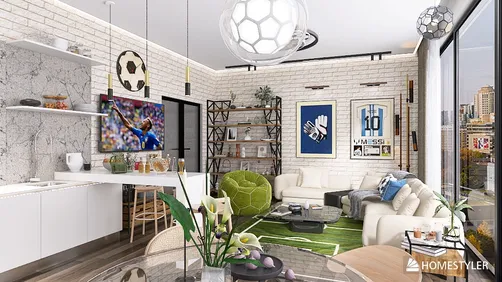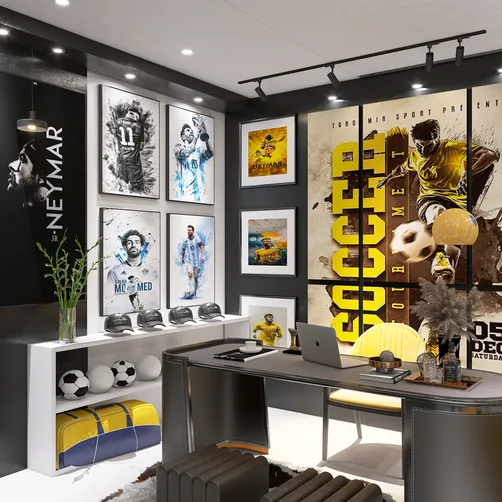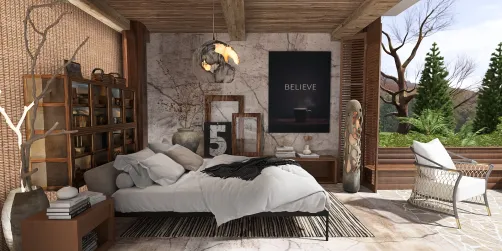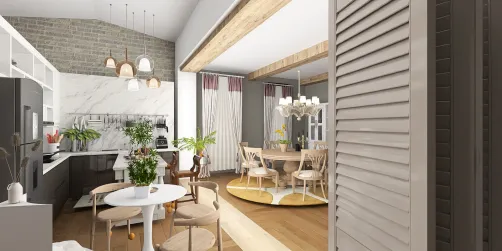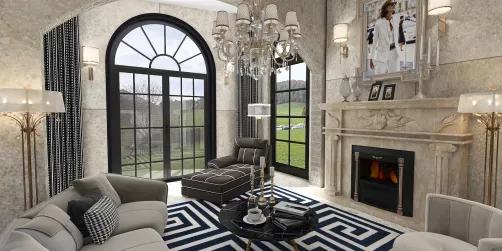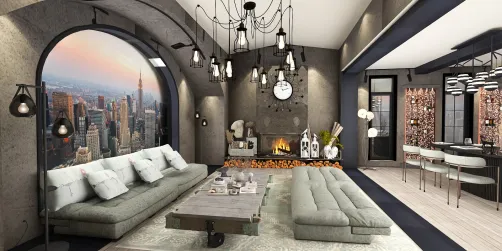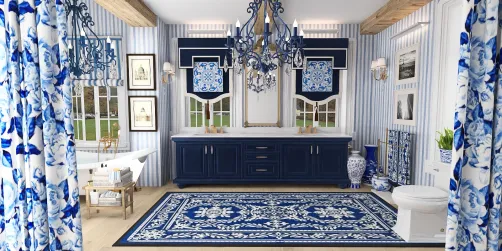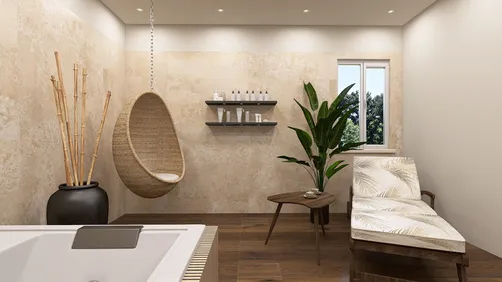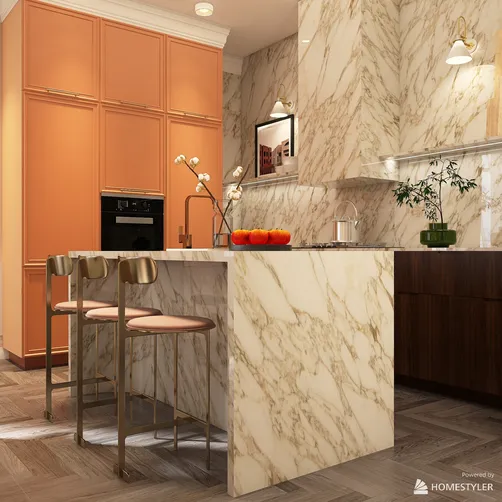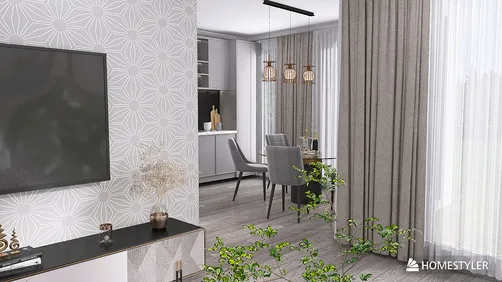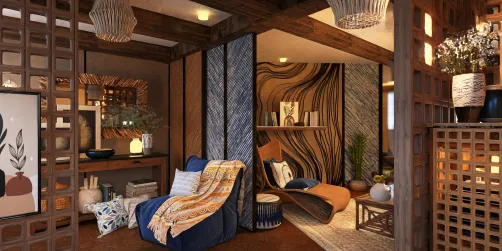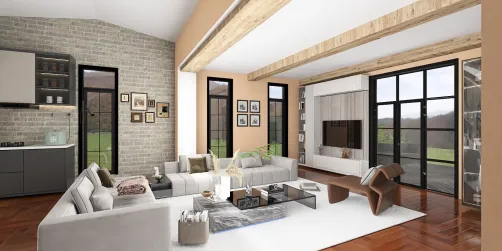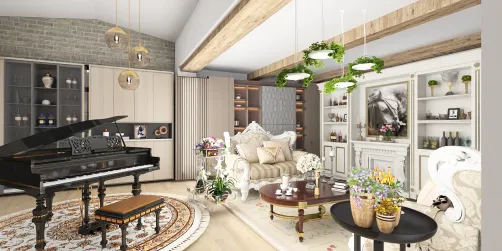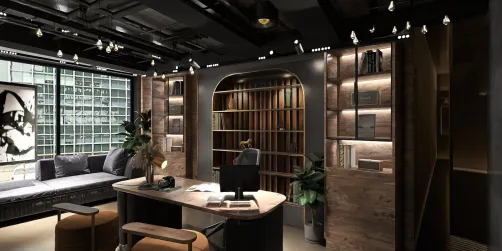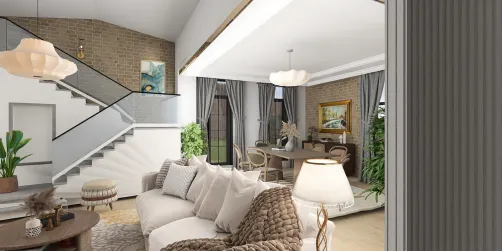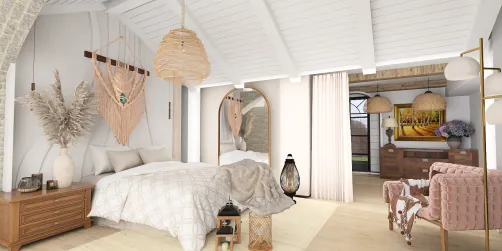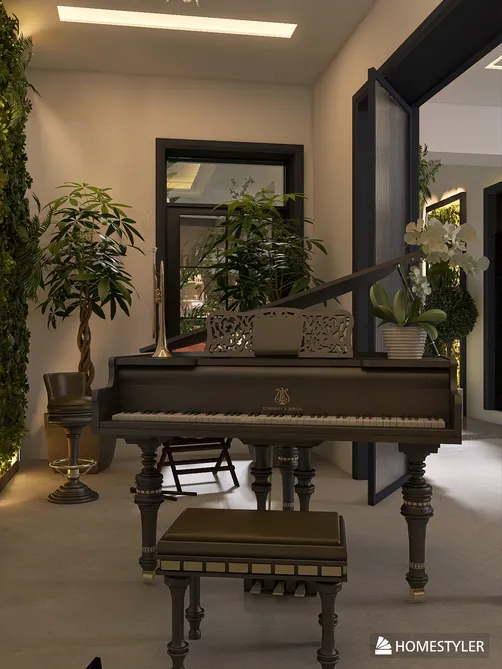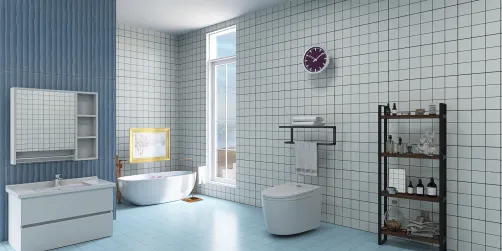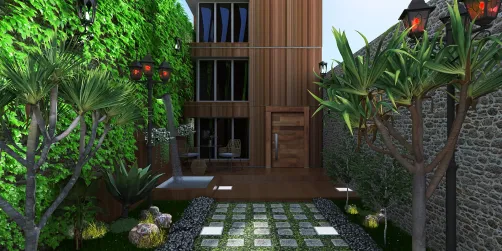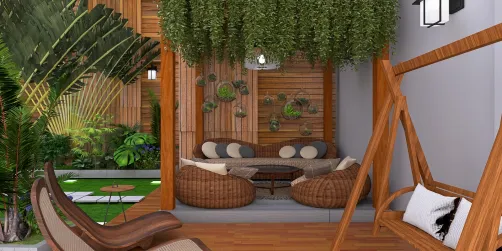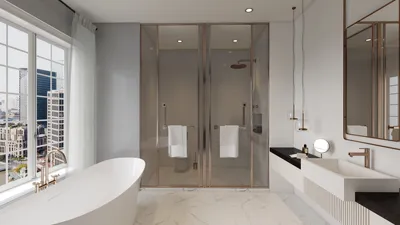
As we consider the future, it's essential for cottages to tackle pressing challenges such as limited storage space, inefficient circulation, and inadequate natural lighting. This can be achieved by creating an intelligent two-floor layout. Recent industry insights reveal a growing interest in remodeling compact homes, with Houzz documenting continued demand for upgrades. My clients seek cottages designed with an attic plan spread across two floors, aiming for a system that adapts seamlessly to modern living. The concept of a spatial reasoning toolkit fits naturally in this discussion, as it likens the interactions between floors to logical pathways supporting everyday activities.
Ground Floor: Open Core + Side Utility
Design Strategy: The design features a central core for the living and dining areas paired with a utility corridor along the side, establishing a solid foundation for the home. It's clear that future trends are leaning towards open cores that can accommodate modular enhancements without disrupting the overall flow of space. Incorporating tools like Homestyler can aid in visualizing such transformations effortlessly.
Flow: The movement throughout the space follows a streamlined route: entrance → coat storage → living center → dining section → kitchen area → staircase hub; this layout feels cohesive, much like a clean function call that minimizes unnecessary backtracking.
Sightlines: Upon entering, there's a direct sightline toward the garden; the kitchen remains semi-open to prioritize natural light and foster social interactions, minimizing any distractions from kitchen appliances.
Storage Solutions: Clever designs such as under-stair drawers, a pantry utilized as a vertical storage solution, and a window bench with concealed compartments ensure that storage aligns with daily usage patterns.
Furniture Accommodation: For optimal fit, the space accommodates an 84–90 inch sofa, a drop-leaf dining table, and 24-inch counter modules. These design decisions prevent overfitting while ensuring that future devices can be integrated easily.
Conclusion: The ground floor serves as a robust foundation; five years down the line, it will continue to support a blend of analog and digital lifestyles without causing any bottlenecks in daily functions.
save pinOpen in 3D Planner Processing...
Attic Level: Versatile Studio + Sleep Nook
Design Strategy: The attic transforms into a functional canvas, serving as a studio during the day and a sleeping area at night, perfectly aligning with the rising trends of remote working and wellness in smaller spaces.
Flow: The sequence in the attic progresses from stair landing → shared workspace → yoga space → reading nook → sleeping alcove, allowing for quiet activities before transitioning to rest.
Sightlines: The low eaves in the attic create framed views, while a strategically placed roof window channels natural light, expanding the perceptual space much like a streamlined user interface.
Storage Strategies: Knee-wall cabinets serve as ample storage buffers, track bins are implemented for seasonal items, and a compact wardrobe provides quick access to essentials.
Furniture Accommodation: The attic can house a 30-inch deep desk, a 54-inch wide futon, and low bookshelves under 36 inches in height; every piece is designed to work within the roof's constraints.
Conclusion: This level is designed to adapt to changing schedules; even after five years, it remains a haven for creative pursuits, guest accommodations, and moments of tranquility without the need for major adjustments.
save pinOpen in 3D Planner Processing...
Connecting Stair: Lightwell + Thermal Buffer
Design Strategy: The stairwell is reimagined not just as a passage but as a crucial component: serving as a lightwell, thermal barrier, and sound buffer that unifies both floors into a single functional space for future routines.
Flow: The movement through the stair area follows this pattern: entrance point → stair gate → landing pause → attic entry; this rhythm helps to alleviate congestion during busy times.
Sightlines: There's a vertical sightline leading to the skylight, and lateral cutouts allow for a view across both levels, resembling tabs in a sleek HUD, while maintaining privacy between spaces.
Storage Innovations: The staircase incorporates tread drawers for tools, a wall niche for linens, and a landing locker for frequently used items—these organized caches streamline accessibility.
Furniture Accommodation: With a clear width of 36 inches, a run of 11 inches, and a rise of 7 inches, alongside a handrail doubling as a docking station, the stair design allows for safety and future upgrades.
Conclusion: This staircase operates like the nerve center of the home; even five years from now, it will manage climate, light, and sound effectively with minimal energy expenditure.
save pinOpen in 3D Planner Processing...
Final Insights
A cottage featuring an attic plan spread over two floors transcends mere nostalgia; it becomes an efficient operational system where each space manages light, storage capacity, and movement dynamics. Variations such as a two-story cottage layout paired with attic studio configurations demonstrate that size is secondary to thoughtful design. From my perspective, the most intelligent small homes of the future will focus on intentionality over size. A tool like Homestyler consistently proves useful in enhancing daily life through precise interface design.
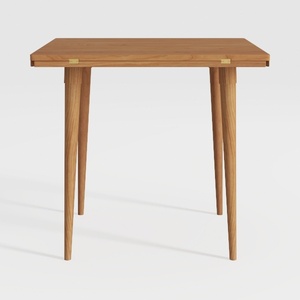

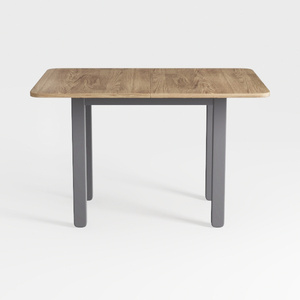
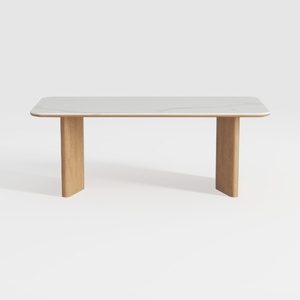
Looking to transform your space effortlessly? Homestyler offers a fantastic online design tool that lets you create stunning 3D renderings of your ideas. With diverse design projects and engaging video tutorials, it's perfect for anyone wanting to enhance their home without any prior experience!