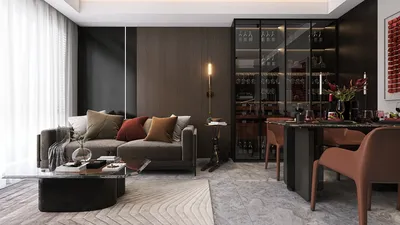


In a small studio, I once attempted to paint plywood walls without primer, resulting in a finish that quickly revealed tannin stains. My client humorously remarked that I had unintentionally created a trendy rustic aesthetic. This experience underscored the importance of visualizing the transformation beforehand and testing finishes on spare plywood. Errors made in compact spaces often serve as invaluable lessons, inspiring innovative solutions.
In this article, I’ll share five reliable techniques I implement when dealing with painted plywood walls: quick resolutions, lasting benefits, and some minor compromises you should be aware of. Look forward to practical advice, budget considerations, and anecdotes from my own learning process.
1. Light whitewash to maintain the grain
Applying a whitewash enhances the plywood grain while brightening the atmosphere—ideal for studio apartments or as an accent wall. I typically dilute latex paint by 30–40% with water to achieve a milky appearance, then seal it with a satin clear coat for enhanced durability against cleaning.
Benefits: cost-effective, open feel, and forgiving of minor imperfections. Note: it won’t be as resilient as a fully opaque coat, so anticipate needing to reseal every few years in high-traffic areas.
save pin
2. Color-blocked panels for a contemporary flair
Create a minimalist grid with thin battens and alternate two color tones for the panels—this technique mimics custom millwork at a fraction of the cost. I applied this method in a rental kitchen, and the client appreciated the high-end aesthetic without overspending.
Advantages: rapid visual impact while disguising minor surface flaws. Disadvantages: carefully measured taping and uniform panel widths are crucial, so allow some extra time or have a steady hand ready.
save pin
3. Stained vertical grain enhances warmth
Using a stain on plywood accentuates its vertical grain and can create the illusion of taller spaces. I recommend an oil-based stain followed by a water-based polyurethane for quicker reapplication rates and reduced yellowing issues.
Before committing, I often devise detailed layout sketches to visualize furniture arrangement and sightlines, which helps maintain harmony with the room's flow. Budget tip: the cost of stains with a topcoat is higher than paint, but the depth of color is unparalleled.
save pin
4. Adding texture with acrylic skim or joint compound
For an industrial or rustic style, lightly apply thin-set or joint compound on the plywood and then sand it to achieve a subtle texture that still reveals the grain. This technique transformed a loft bedroom by concealing seams, giving it a look akin to custom plaster at a lower cost.
Benefits: distinctive tactile finish that hides flaws. Consideration: increased labor and dust from sanding require good ventilation and patience.
save pin
5. Half-height painted wainscoting for adaptable style
By painting plywood to a mid-wall height and topping it with a narrow shelf or trim, you can create a modern wainscot that not only guards against scuffs but also provides a ledge for decor items. This style is particularly popular in children's rooms and compact kitchens where wall protection is essential.
The design is flexible: add a full paint coat above for a cohesive look or apply wallpaper on the upper section for contrast. Before selecting hardware and fixtures, draft a quick layout plan, especially in kitchen corners where a smart design can prevent clashes between cabinet doors and painted panels.
save pin
FAQ
Q: Is it necessary to prime plywood before painting?
Indeed—plywood tannins can seep through various paints. For optimal outcomes, use a shellac-based or stain-blocking primer, especially under lighter topcoats.
Q: Can I paint plywood walls outdoors?
Exterior-grade plywood can be painted, but it’s essential to utilize exterior primers and high-quality paints along with proper flashing to keep moisture at bay; always check local building regulations for exposure ratings.
Q: What finish is most suitable for plywood walls?
Satin or eggshell provides a balance between washability and subtle sheen; gloss finishes can highlight blemishes while flat finishes may be less practical in high-use areas.
Q: How can I conceal plywood seams?
Utilize thin battens, apply caulk to seams, or skim with joint compound and sand. Seams are easier to hide when working within panel widths rather than against them.
Q: Is staining preferable to painting?
Staining accentuates the grain for a more organic feel, while paint offers a wider range of colors and better flaw coverage. Your choice should reflect your style preferences and financial considerations.
Q: What type of finish ensures durability?
For protection, apply a clear polyurethane or waterborne alkyd topcoat; the latter dries faster and has less yellowing. According to Sherwin-Williams, following their recommended topcoat systems enhances longevity and color integrity.
Q: Are there any VOC or health concerns?
Select low-VOC paints and ensure adequate ventilation during application and curing. If sensitive individuals are involved, opt for low-VOC or zero-VOC labeled products.
Q: What is the cost for painting plywood walls?
Prices can vary significantly based on preparation and finish quality. A straightforward paint and seal approach is cost-effective; however, staining with clear coats or textured finishes will incur additional labor and material costs, so factor in potential extra expenses in your estimates.
save pin
Discover your dream home design with Homestyler! This user-friendly online platform features an intuitive design tool, stunning 3D renderings, a wealth of design projects, and helpful DIY video tutorials. Transform your space effortlessly and unleash your creativity today!
Diseño ahora GRATIS
































