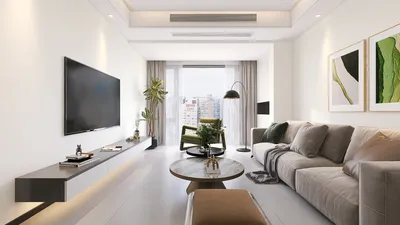


I once experienced a humorous mishap when I placed a sofa too close to the entryway, leading a client to joke that guests needed a ticket to squeeze by. This lesson prompted a significant change in my approach: now, I meticulously sketch out room layouts before moving any furniture, especially in compact living environments. Small spaces can inspire grand ideas, and I’m eager to share five layouts that I frequently utilize.
1. The Conversation Cluster
I favor arranging seating in a gentle circular or U-shape, as it promotes conversation without the need to shout across the television. This cozy setup is not only ideal for guests but also works wonderfully for families, although it requires additional floor space and careful selection of scale — oversized sofas can disrupt the balance of the arrangement.
save pin
2. Floating Sofa with Clear Pathways
By pulling the sofa away from the wall, you can create depth and define a walkway behind it. This design choice brings a modern and airy feel to the room, but it necessitates either a narrow console or a low shelf behind the sofa to avoid wasting valuable space.
save pin
3. Zoning with Rugs and Multifunction Pieces
In open-plan living spaces, I often use rugs to anchor conversation areas and place armchairs strategically to create distinct mini-zones — a perfect method for adding a reading nook adjacent to the main living area. For a quick starting point in planning these zones, I rely on free floor plan templates, which help me gauge scale and proportion effectively.
save pin
4. Angled Sofa for Better Sightlines
Arranging the sofa at a 45-degree angle toward a focal point, such as a TV, fireplace, or window, can enhance sightlines and improve foot traffic flow. This bold adjustment can lend a dynamic feel to a smaller room, although it may sacrifice a bit of usable corner space.
save pin
5. Built-In Storage and Vertical Layers
For spaces with limited floor area, I like to go vertical: incorporating tall cabinetry, slim shelves, and wall-mounted consoles can free up precious floor space while introducing display areas. When it comes to visualizing the entire plan in 3D prior to commitment, tools like Homestyler have helped me reassure even the most discerning clients that a tall bookcase won’t overwhelm the room.
save pin
FAQ
Q1: What is the best distance between the sofa and TV?
A: A general guideline is to maintain a distance of 1.5 to 2.5 times the diagonal size of your TV for optimal viewing comfort. However, factors such as room shape and seating height can adjust the ideal measurement.
Q2: How do I select the appropriate rug size?
A: For a cohesive appearance, ensure that the front legs of your main seating are on the rug; in smaller rooms, a rug that fits under the coffee table often suffices. Measure your seating arrangement prior to purchase to avoid missteps with rug size.
Q3: What clearance do I need for traffic flow?
A: Aim for a clearance of at least 30 to 36 inches in major walkways to ensure comfortable passage. For guidelines on accessibility, refer to the ADA Standards for Accessible Design, which provide specific requirements.
Q4: Is it possible to mix different sofa styles?
A: Absolutely — blending a sleek sofa with a plush chair infuses personality into the space, but maintain a unifying element, such as color or leg style, to prevent visual clutter. The key lies in scale: matching height and proportions matters more than style.
Q5: How can I make a small living room seem larger?
A: Employ light colors, multifunctional furniture, and maintain low sightlines with slim-profile sofas or glass tables. Using mirrors and layered lighting can also create an illusion of more space without the need for expensive renovations.
Q6: Is it always better to float furniture?
A: Not necessarily — while floating furniture can enhance circulation, it may render a room feeling disjointed if there’s no clear anchor like a rug or console. Balancing floating pieces with vertical elements is crucial to maintaining cohesion.
Q7: What coffee table size is ideal?
A: Select a coffee table that is approximately two-thirds the length of your sofa, allowing 14 to 18 inches of clearance for ease of movement and accessibility. Round tables are particularly advantageous in tight circulation areas to avoid sharp corners.
Q8: How should I organize furniture if I work from the living room?
A: Designate a specific nook with a small desk or a fold-down surface and utilize storage solutions to hide office materials when they’re not in use; adaptable seating and lighting will enable the area to serve dual purposes. Consider potential noise sources and sightlines to ensure the workspace feels intentional, rather than an afterthought.
save pin
Discover your perfect space with Homestyler! This user-friendly online design platform offers an intuitive design tool, stunning 3D renderings, and a wealth of inspiring design projects and DIY video tutorials. Transform your home ideas into reality effortlessly!
Diseño ahora GRATIS
































