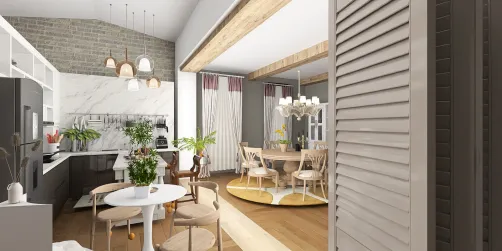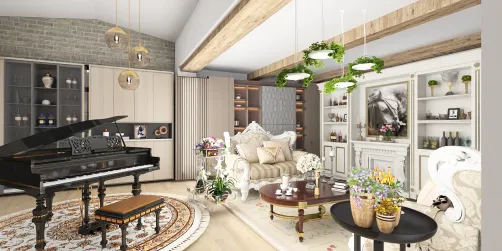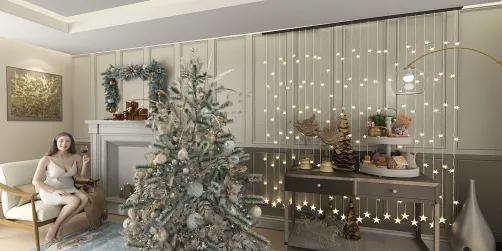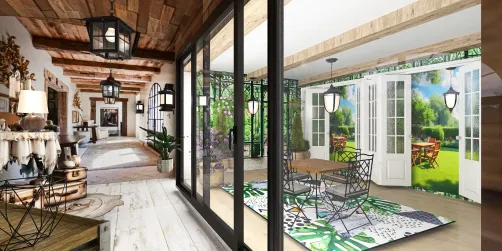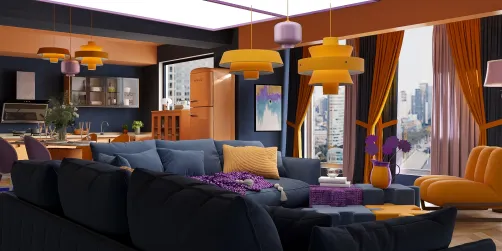
As we look to the future, today's residences grapple with noise, time challenges, and disjointed routines. A recent AIA Home Design Trends survey highlighted that adaptable spaces and wellness components have emerged as primary focuses for clients, indicating that our 2000 sq ft house floor plans must function more like dynamic systems than static environments. I refer to this as a spatial reasoning toolkit—a method for integrating the forthcoming decade of living into thoughtfully designed rooms and passageways.
When clients inquire about the best 10 2000 sq ft house floor plans, I translate future aspirations into solutions for current concerns—such as quiet workspaces, resilient storage options, clean air, and social connectivity—creating plans that resemble living software, seamlessly embedded in their environments.
Plan 1: Split-Core Ranch with Hybrid Studio
Design Concept: A central spine divides common areas from focused work zones, catering to the needs of hybrid work environments and multi-generational lifestyles.
Flow: From the entryway with a mud bench, to an open kitchen/living space, followed by a studio nook, a serene bedroom zone, and culminating at the courtyard exit; a clear and organized pathway.
Sightlines: Offers a long view from the kitchen island to the hearth, with side windows framing a cozy courtyard; a user interface transitioning from communal warmth to personal tranquility.
Storage: Features include a perimeter pantry, a wall bed in the studio, and a versatile attic space; systems designed to handle seasonal variations.
Furniture Arrangement: With 36" circulation spaces, a 9' sofa span, and an adjustable desk area; the design accommodates ergonomic needs of the future.
Verdict: An inviting ranch design that consolidates work-life interactions fluidly while remaining adaptable for various needs, including for visiting relatives.
Plan 2: Courtyard Loop with Thermal Zones
Design Concept: This layout encircles a small courtyard, distinguishing thermal management from social areas, effectively merging energy efficiency with livability.
Flow: Foyer leading into a looping corridor, flanked by living areas, the kitchen, bedroom pods, and utility spaces; a well-defined circular route.
Sightlines: Offers framed views of the courtyard from dining spaces and angled lines of sight to the study; depth perception enhanced through layered visual elements.
Storage: Features include floor-to-ceiling cabinetry, concealed recycling slots, and a mechanical closet designed for future upgrades; efficient storage with organized systems.
Furniture Arrangement: Designed with a 10' dining area, a compact sectional sofa, and built-in seating; optimal scaling to minimize visual confusion.
Verdict: This circular arrangement fosters a breathable living environment where the courtyard serves as a serene space for light, air, and moments of pause.
Plan 3: Side-by-Side Suites with Shared Lab Kitchen
Design Concept: With two bedroom suites harmonizing privacy and connectivity centered around a multifunctional kitchen, this design anticipates the need for aging in place and accommodating guests.
Flow: Entry leads to a kitchen lab, then into living spaces, continuing to the primary suite, secondary suite, and patio; a logical progression of spaces.
Sightlines: Straight visibility from the cooktop to the garden, with intentional privacy for bedrooms; a layout that promotes a sense of order.
Storage: Features include a 14' pantry, an appliance garage, and linen storage columns; designed for everyday rituals.
Furniture Arrangement: Maintaining a 42" clearance for the kitchen island, alongside dual reading chairs and accessible shower locations; structures designed with longevity in mind.
Verdict: A design that nurtures solitude while bolstering community, ensuring resilience for the anticipated changes over the next five years.
Plan 4: Front Parlor + Rear Flex Lab
Design Concept: The parlor at the front engages with the community, while the rear flex lab accommodates work, hobbies, and creative practices, allowing for adaptability in side projects.
Flow: From the porch through the parlor, to a gallery-like hallway leading into the living/kitchen and flex lab, extending into the yard; a gradient from public to private.
Sightlines: Provides a gentle transition from the parlor to the garden and clear visual breaks to the lab; managing information visibility effectively.
Storage: Equipped with a tool wall, expansive closets, and bins under the stairs; allowing for both exhibition and concealment of items.
Furniture Fit: Features a compact sofa, modular tables, and task stools; adaptable designs as projects evolve.
Verdict: A welcoming front for civic life coupled with a back end that fosters innovation; a home that balances hosting and creation harmoniously.
Plan 5: Gallery Spine with Pocket Offices
Design Concept: A long gallery serves as a connectivity hub, complemented by pocket offices positioned along its length, allowing for focused work without disrupting family dynamics.
Flow: Entry leads into a gallery, proceeding through the living/kitchen area, then transitioning to pocket offices, the bedroom wing, and out to the terrace; clear sequencing throughout.
Sightlines: Features an art wall with staggered pieces and light flowing into recesses; a design that modulates attention.
Storage: Tall storage units in the gallery, filing cabinets in the offices, and bulk storage near the garage; an organized approach to storage.
Furniture Arrangement: Incorporates 30" deep desks, an 8' couch, and a 60" dining table; precision designed to minimize cognitive overload.
Verdict: A harmonious balance between work and home life, providing enough flexibility to retain a humane experience.
Plan 6: L-Shape with Micro-Court and Wellness Core
Design Concept: Designed in an L shape around a micro-court, the inclusion of a wellness core (encompassing laundry, bathrooms, and storage) forms a standard for recovery routines, setting a benchmark for modern comfort.
Flow: Progressing from a drop zone, into the kitchen area, through to the living space along the court, leading into the wellness core, and then onto the bedrooms; a seamless transition.
Sightlines: Offers corner glazing towards the court and controlled angles towards the bedrooms; privacy arranged with intent.
Storage: Features ventilated equipment lockers, towel storage, and wellness drawers; a well-configured caching design.
Furniture Fit: Incorporates a corner sectional, a spacious tub, and an adaptable bench; layouts adjusted according to physical comfort.
Verdict: Wellness is not just an add-on—it's the framework; this plan incorporates it beautifully.
Plan 7: Split-Load Great Room with Acoustic Baffles
Design Concept: The great room maintains a generous feel while embedded acoustic baffles divide sound wavelengths, accommodating modern family life where streaming, calls, and social interactions coexist without a hitch.
Flow: Entry leads to the great room with defined lanes, through the kitchen, into a study alcove, and out to the patio; routines that flow with minimal friction.
Sightlines: Visibility extends from the kitchen island to the fireplace, with soft boundaries along the alcove; clarity in design without harsh interruptions.
Storage: Features integrated media niches, toy storage, and a meshed pantry; a systematic approach to storing both analog and digital items.
Furniture Fit: Incorporates a generous sectional, maintaining 42" clearances for the island, and an alcove desk; well-planned pathways that remain clear.
Verdict: A dynamic space that balances high use with tranquility, scaling dynamically to accommodate both activity and relaxation.
Plan 8: Compact Two-Story with Sky Bridge
Design Concept: A sky bridge connects the bedroom sections, offering a grand double-height living area—creating dramatic vertical spaces while maximizing efficiency.
Flow: Entry leads into a spacious living area, with a kitchen at its base, continuing up the stair to the bridge and the bedroom pods; an engaging sequence.
Sightlines: Clear views from the bridge to the hearth and from the sink to the garden; a multi-layered design ensuring stable orientation.
Storage: Under-stair archives, a book wall along the bridge, and wardrobes in the pods; thoughtfully arranged across various levels.
Furniture Fit: Sleek sofas, tall shelving, and pairs of compact lounges; proportions that respect vertical space.
Verdict: Light plays an integral role here; the sky bridge coordinates daily flows with intentional grace.
Plan 9: Rear Primary Suite + Front Flex Bedroom
Design Concept: The primary suite is discreetly positioned at the back, while the front flex bedroom can morph into a guest room, office, or studio—providing versatility for any future needs.
Flow: From the entry to the flex space, moving into the common area and further to the rear suite, eventually leading to the garden; an elegant and reversible path.
Sightlines: Offers a subtle view into the flex space and a broad gaze towards the garden; visual cues that facilitate intended privacy.
Storage: Featuring dual dressing walls, a mixed-media coat closet, and linen storage; arranged for quick access to essentials and extensive archival space.
Furniture Fit: Room for a queen bed, a dual-purpose desk, and a compact credenza; effectively designed for multifunctionality without strain.
Verdict: Flexibility is a core feature; the ability to shift roles effortlessly without the need for redesign makes this a smart home choice.
Plan 10: Perimeter Kitchen with Social Ring
Design Concept: The kitchen encircles the perimeter, creating a social ring that facilitates cooking, learning, and small gatherings—serving as the future's household operating system.
Flow: Moving from the side entry through a circulating ring, pausing at the island, and transitioning to seating areas before heading to the patio; fluid loops to prevent congestion.
Sightlines: Generous glazing along the perimeter, a focal point on the island, and windows facing the yard; a visual structure akin to a workspace toolbar.
Storage: Includes a 24" deep pantry, dedicated appliance shelves, and circular shelving; a well-structured approach to making tools readily available.
Furniture Fit: Features seating for six at the island, stacking chairs, and narrow consoles; a design that prioritizes flexibility for gatherings.
Verdict: This configuration keeps energy flowing; mealtime, study sessions, and social events can all coexist within the same well-designed framework.
## Final Thought
In the realm of 2000 sq ft house floor plans, the most intelligent designs behave like interfaces efficiently directing energy, attention, and care. Variations such as split-core ranches, courtyard loops, and sky bridges present innovative ways of crafting homes ready for the future without enlarging the footprint. The needs for hybrid work and wellness features blend seamlessly into these layouts, poised for expansion. My experience suggests that the best homes in the next decade won't necessarily be larger, but rather more purposeful, an approach that platforms like Homestyler continuously inspire.

Discover the ease of home design with Homestyler! This exceptional online platform features a user-friendly design tool, stunning 3D renderings, and extensive DIY video tutorials. Whether you're a beginner or a seasoned decorator, you can effortlessly bring your creative vision to life!