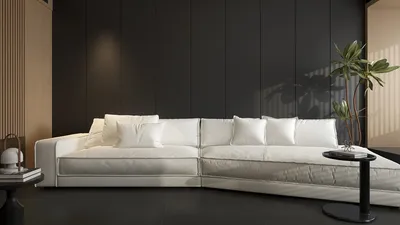


I create cinema halls that serve as captivating environments where sound, visuals, and social interactions come together. Today's movie enthusiasts anticipate not only comfort but also top-notch acoustics and a visually striking atmosphere. The objective is to merge theatrical experience with effective operational functionality, ensuring that everything from seating comfort to food service operates seamlessly on a busy Saturday night while providing an intimate feel during a Tuesday matinee. Tools like Homestyler assist in visualizing these concepts.
The foundation of comfort and functionality lies in established standards. WELL v2 identifies acoustic comfort as essential for overall wellbeing, promoting reductions in background noise to enhance mental clarity (WELL v2, Sound concept). Research from Steelcase indicates that distractions from sound can diminish both experience and productivity—lessons applicable to cinemas. By controlling echo and ensuring speech clarity, I strive to maintain focus and enjoyment. These benchmarks guide my adjustments to Noise Criteria (NC) and reverberation time (RT60) within auditoriums and social spaces.
Lighting design adheres to recognized guidelines as well. The Illuminating Engineering Society recommends sufficient luminance to mitigate glare and visual fatigue, particularly in transitional spaces. In auditoriums, I aim for subdued aisle lighting, around 0.3–1 footcandle, rendered in warm tones to enhance visibility without overwhelming the screen. In lobby areas, I use 10–30 footcandles with layered ambient lighting, accent features, and decorative elements, ensuring guests can navigate comfortably and safely.
Designing the Arrival: Thresholds, Lobby Rhythm, and Wayfinding
The experience begins at the entrance, where I aim to create a gradual transition—a lower ceiling, focused lighting, and warm textures—leading into an expansive lobby that clearly reveals ticketing and concessions. Effective wayfinding is established through a main axis and visible cues to direct guests, utilizing color-coded entrances and easy-to-read numerals. Textured flooring and ceiling designs create rhythms that intuitively guide foot traffic while minimizing reliance on signs, sometimes aided by tools like Homestyler.
Seating Comfort and View Quality
In auditorium spaces, the specific arrangement of seat height, spacing, and aisle design significantly impacts comfort and sightlines. I ensure that seat backs provide adequate support for neck alignment and select foam materials that retain resilience throughout their use. The ideal sightline geometry targets a 36°–40° horizontal viewing angle for optimal seating rows, preventing head overlap between tiers. For intricate designs or renovations, layout simulation tools like Homestyler help refine the angles and configurations while ensuring occupancy safety.
Acoustic Design: Isolation, Definition, and Warmth
Exceptional cinema audio is quiet where necessary and powerful where it counts. My approach begins with managing low-frequency sounds using double-stud walls and sealed connections, followed by fine-tuning mid and high sounds through varied absorptive and diffusive methods. Staggered seating reduces echoes and unwanted reflections. My target RT60 ranges between 0.5 and 0.8 seconds based on room size and usage; closer to 0.5 for dialogue-driven films and slightly longer for musical content. Hidden bass traps behind perforated panels maintain a clean aesthetic while ensuring balanced low-frequency performance.
Lighting Layers for Dramatic and Comfortable Experiences
Using layered lighting design helps to shape the cinema's atmosphere. For pre-show settings, cove and wall lighting create a welcoming ambiance around 2700–3000K. During trailers, pathway and step lights dim to a minimal level with glare protection. When the main feature starts, only pathway lighting remains active, ensuring there's no light spill onto the screen. In lobby areas, I implement dynamic RGB lighting alongside neutral white backgrounds to create an engaging but comfortable setting while managing glare proactively.
Color Theory and Brand Representation
Color is integral in influencing feelings and memories. Rich, dark shades (such as burgundy and deep blue) absorb excess light, enhancing the dramatic impact in auditoriums. In social spaces, the strategic use of energizing colors like muted teal or soft amber fosters a welcoming atmosphere without overwhelming patrons. Insights from color psychology illustrate how warm shades can create a cozy environment while cooler tones induce calmness; I apply these strategies thoughtfully to reinforce brand identity while ensuring visual comfort.
Durable Materials with Environmental Consideration
Materials in a cinema must withstand frequent use. I prioritize high-wear upholstery, stain-resistant carpets with sound dampening underlays, and durable wall coverings. I prefer to use FSC-certified wood, low-VOC finishes, and modular seating solutions to minimize environmental impact. Whenever applicable, I incorporate recycled content for acoustic treatments and energy-efficient LED lighting, cutting operational costs and reducing the venue’s carbon footprint. Ease of maintenance is critical, hence I design for serviceability—removable panels and designated service access points.
Concessions and Flow: The Heart of the Experience
Concessions play a crucial role in revenue generation and guest flow. To avoid congestion, I position queues away from main pathways and maximize counter functionality. Digital displays calibrated for ambient light levels help eliminate glare in shiny lobby spaces. Seating arrangements, such as high-tops and banquettes, promote social interaction before and after screenings. The layout of cash registers should ensure that staff can oversee lobby activity and guest entries, enhancing both safety and service quality.
Restrooms and Inclusivity
Planning for accessibility begins at the design level. I ensure ADA-compliant seating is in prime viewing areas with paired seats nearby. Restrooms need to be discreet yet accessible; sound isolation and odor management are as crucial as aesthetics. Features like touch-free faucets, non-slip flooring, and spacious stalls enhance user comfort and capacity turnover. Applying tactile cues—textured ground inserts near transitions—helps patrons with vision impairments navigate intuitively.
Integrating Technology for Versatility
Contemporary cinemas often serve dual roles as performance venues. I select adaptable projection, audio, and lighting technologies suitable for games, live events, and small productions. Robust networking with isolated audio-visual (AV) systems aids in reducing latency. Custom seating platforms allow for transformational stage use, and adjustable screens cater to varying aspect ratios.
Intimate but Impactful: Boutique Cinemas
In boutique cinema settings, creating a sense of intimacy is pivotal. Softer seating options, side tables, and acoustic fabrics ensure a comfortable lounge atmosphere. Unique lighting installations—sculptural fixtures and custom accents—are central to establishing a brand identity. Tools like Homestyler can assist in efficiently planning compact layouts to optimize comfort and service within limited spaces.
Operational Factors for Seamless Nights
On the operational side, considerations for waste management, storage, and cleaning schedules are vital. Service corridors must be adequately sized and acoustically treated to allow staff to maneuver without interrupting audiences. Ticketing processes should remain clear and adaptable, with mobile scanning to streamline guest flow. Emergency lighting and signage need to be maintained to ensure visibility in low light conditions, with regular battery checks incorporated into operational tasks.
- Versatile programming options: showcasing films, eSports, live interactions, and concerts.
- Hospitality elements: upgraded concession offerings, such as artisanal beverages and regional snacks, along with inviting lounge areas.
- Engaging materials: textures like boucle, ridged wood, and tactile panels to create warmth.
- Energy-efficient updates: implementing LED solutions, intelligent dimming, and occupancy-based controls in support areas.
- Customized areas: premium seating with charging ports and unobtrusive side tables.
Common Inquiries
Q1: What acoustic criteria should I apply for a medium-sized auditorium?
A: Aim for a reverberation time (RT60) of about 0.6–0.7 seconds, background noise criterion (NC) of 25–30, and effective sound containment using specialized wall structures. Employ diverse absorptive and diffusive surfaces to maintain clarity without sound deadening.
Q2: What should the brightness levels be for aisle and step lighting during features?
A: Maintain levels around 0.3–1 footcandle using warm color temperatures (2700–3000K) while ensuring effective glare control to prevent any light spill onto the screen.
Q3: How does seating arrangement affect sightlines?
A: Focus on achieving a 36°–40° horizontal viewing angle for ideal seating locations, confirm vertical clearance with tiered seating, and stagger seat plans to avoid head overlap. Validate configurations using layout design tools like Homestyler prior to construction.
Q4: Which materials effectively balance durability and sound management?
A: Utilize high-wear upholstery, dense carpeting with sound-dampening layers, and acoustically supportive wall panels, while ensuring sustainable practices through low-VOC finishes and energy-efficient lighting.
Q5: How can I mitigate lobby brightness from digital signs?
A: Use matte finishes on nearby surfaces, adjust screen brightness to match ambient conditions, and position displays strategically to prevent direct glare. Following IES recommendations on luminance helps in maintaining a comfortable environment.
Q6: What color techniques are effective for modern cinema environments?
A: Implement deep, non-reflective colors in viewing areas to manage unwanted light, while maintaining inviting, warm tones in social zones for a balanced aesthetic. Applying color psychology principles aids in fostering the desired atmosphere without overwhelming guests.
Q7: How can a cinema accommodate diverse events?
A: Select versatile audio-visual systems that support various aspect ratios and performances, include modular seating for impromptu staging, and ensure robust networking systems to facilitate quick transitions between events.
Q8: What tips exist for ensuring accessibility while preserving sightlines?
A: Position ADA-compliant seats in prime viewing areas close to companions, utilize tactile floor inserts for guidance, and provide sufficient egress widths. Check for proper slopes and clearances throughout the design phase.
Q9: How can lobby configuration minimize crowding during peak hours?
A: Separate ticketing from concessions, design queues away from main thoroughfares, and ensure clear sightlines to exits. Small seating clusters promote socializing while supporting smooth traffic flow.
Q10: What is the recommended frequency for emergency lighting assessments?
A: Implement regular testing of battery backups and visual checks for legibility under low-light conditions. Collaborate with operations to ensure that fixtures and signage maintain their effectiveness even in dim lighting.


Discover the ease of home design with Homestyler! This online platform features a user-friendly design tool, stunning 3D renderings, a wealth of design projects, and informative DIY video tutorials. Transform your space effortlessly and unleash your creativity today!
Diseño ahora GRATIS
































