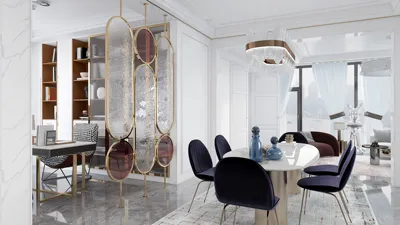


I have designed and specified numerous coffee tables suitable for homes, hospitality lounges, and adaptable work cafes. A round coffee table is my preferred choice when aiming for smooth circulation, a more gentle visual rhythm, and safety with rounded edges. Below, I will outline my approach to determining the size, height, materials, and finishes, ultimately creating a sturdy DIY piece that withstands the rigors of daily use.
Round tables facilitate movement and promote social engagement. According to Gensler's workplace research, 44% of those surveyed identified collaborative environments as essential for their most productive workdays—spaces that encourage in-person interactions over traditional layouts. A round table serves as a central element, drawing seating closer together for engaging conversations rather than aligning against a television-centric arrangement. To enhance comfort, guidelines from WELL v2 emphasize the importance of posture, reach distance, and sightlines, recommending a coffee table height of 16–18 inches to support healthy wrist and shoulder alignment when reaching for items.
The importance of lighting cannot be overstated, just as much as the table's dimensions. I adhere to IES recommended practices to ensure balanced light on surfaces—striving for around 200–300 lux on living room work areas to minimize glare and ensure that finishes appear true to their intended design. In my designs, I prefer a warmer ambient layer ranging from 2700 to 3000K combined with a 3000 to 3500K accent light above the table, which highlights grain and texture without producing harsh reflections. For further insights on workplace dynamics and social settings, consider exploring Gensler Research.
Planning Your Dimensions and Clearances
Begin by assessing the space for seating. Measure the gap from the edge of the sofa to the table; a distance of 16–18 inches provides the ideal balance for legroom and easy access. For an 84-inch wide sofa, a 30–36 inch round table generally works well—large enough for trays and books yet compact enough to maintain smooth circulation. Ensure pathways around the seating remain unobstructed at 30–36 inches. If you're working within a constrained space or accommodating various chairs, utilizing a room layout tool can help visualize flow and angles before you start cutting materials.
Selecting Your Material Strategy
I focus on ensuring stability, tactile comfort, and ease of maintenance. Here are three reliable strategies:
For bases, choosing three-legged metal frames prevents wobbling on uneven surfaces, while four solid wood legs set at an angle of 10–12 degrees offer excellent lateral stability. If opting for a pedestal, ensure the base diameter is approximately 60–70% of the top diameter to mitigate tipping risk.
Understanding Ergonomics, Ratios, and Visual Balance
Proportion is vital for the success of the piece. I ensure that the height of the table is about 1–2 inches lower than the sofa seating height. For diameter, aim for 2/3 of the sofa width if the table is intended as the primary focal point, or 1/2 if it complements side tables. Maintain clear legroom in the front area by avoiding under-bracing, which can protect from scuffing and respect ergonomic considerations.
The psychological effects of color are equally significant. In living rooms designed for relaxation, subdued woods and warm finishes can help reduce tension; in lively social environments, a contrasting tabletop (for instance, pale oak paired with a charcoal base) creates a distinct focal point that anchors the seating arrangement without overwhelming the visual space. As noted by Verywell Mind, warmer colors can elicit feelings of welcome, whereas cooler tones can provide calmness—implement this intentionally across your finish choices.
Acoustic and Surface Comfort
Round tables tend to diffuse conversations more evenly compared to longer rectangular ones, which can help diminish sound hotspots. In vibrant rooms with hard floors and minimal curtains, incorporating a wool or recycled PET rug beneath the table can help absorb high-frequency sounds. Select a top sheen that does not exceed satin to limit glare from overhead lighting and to enhance the tactile experience.
Tools, Cutting List, and Assembly Steps
Tools required: circular saw or track saw, jigsaw or router with a circle jig, drill/driver, flush-trim and round-over router bits (3/16–1/4 inch), orbital sander (80/120/180/220 grits), clamps, square, measuring tape, and safety gear.
Typical cut list for a table with a 34-inch diameter at a height of 17 inches:
Steps for assembly:
Finishing and Color Strategy
For modern interiors, I prefer a light neutral surface—such as ash or maple—complemented by a deep, matte finish on the base. In warmer color schemes, a walnut top with brushed brass accents presents a refined appearance without being overpowering. It's essential to harmonize your choices with nearby metallic finishes (lighting fixtures, hardware) to avoid an unintentional fourth finish.
Lighting the Table Without Glare
Position the table beneath soft ambient lighting, then include a subtle accent layer. Hang a pendant light 28–34 inches above the surface, ensuring a wide beam and a dimmable fixture to maintain uniform light levels. Avoid direct glare by opting for matte finishes and ensuring the pendant's design minimizes any direct line-of-sight reflections.
Safety and Sustainability
Rounded edges help decrease injury risks, especially in homes with children. It’s important to use low-VOC finishes and sustainably sourced wood materials. Always check for FSC certification when available, and consider the use of reclaimed wood for added character. For engineered options, examine formaldehyde emission ratings and ensure all surfaces are sealed properly to prevent warping.
Styling the Centerpiece
Keep your styling deliberate: use a low tray for remotes and coasters, incorporate one sculptural piece (like a bowl, candle, or small plant), and stack two books to add height. Ensure at least half of the table surface remains clear to facilitate functionality during gatherings.
Addressing Common Layout Challenges
In smaller rooms: opt for a 28–30 inch diameter table and create a lighter visual profile with a slim edge. For large sectional sofas: consider a 36–40 inch table or use two staggered round tables for accessibility from multiple seats. If swivel chairs are part of the arrangement, increase the clearance to 18–20 inches and simulate movements with an interior layout planner.
Maintenance Tips
Promptly clean up spills, avoid exposing surfaces to extreme heat, and refresh oiled finishes annually. For polyurethane finishes, sand down scratches lightly with 320 grit and touch up as needed; keep a color-matched wax stick handy for minor repairs.
Frequently Asked Questions
For an 80–84 inch sofa, aim for a round table with a diameter of 30–36 inches. Maintain a reach distance of 16–18 inches between the cushion edge and the table edge.
Keep the coffee table 1–2 inches below the sofa seat height. Most living rooms are comfortable at heights between 16–18 inches.
Definitely. Round tables soften sharp corners, enhance circulation, and lower the likelihood of bumping into furniture. Choose a slimmer edge and lighter finish to maintain a visually airy feel.
Materials like oak and ash balance hardness, workability, and ease of repair. Maple is denser and appears lighter, while walnut offers depth with a slightly softer touch—ensure a durable finish is used.
Opt for splayed legs with quality joinery or a wide pedestal base that is 60–70% the top diameter. Threaded inserts can increase serviceability and ensure long-lasting stability.
Aim for approximately 200–300 lux on task surfaces to facilitate comfortable contrast. Combine 2700–3000K ambient light with 3000–3500K accent lighting for a natural grain display.
Round tables promote equal sightlines and shared easy access. Research from Gensler shows the importance of inclusive, face-to-face layout designs.
To minimize visible scratches, use coasters and select low-sheen finishes. Refresh oiled finishes each year or spot repair polyurethane as necessary.
Rounded edges combined with a wide pedestal base reduce tipping risks. Ensure hardware is flush and avoid sharp brackets near the table's perimeter.
Yes, a sturdy edge band can make this feasible. Veneers over stable cores provide consistent surfaces economically. Protect edges and evenly seal all faces.
Homestyler is your go-to online home design platform, perfect for both beginners and experienced designers. With its user-friendly design tool, stunning 3D renderings, inspiring design projects, and helpful DIY video tutorials, you can effortlessly transform your home into a dream space.
Diseño ahora GRATIS
































