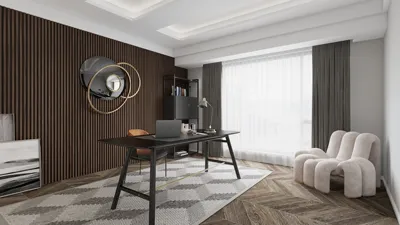


I create designs for quad hotel rooms that cater to families, groups of friends, or colleagues traveling for short business trips. The primary objective remains the same: provide privacy while fostering social interactions and accommodating various schedules. My design focuses on modular sleeping solutions, adjustable lighting, excellent sound control, and efficient storage options that can handle the lively nature of four travelers. Recent studies in the hospitality industry support these concepts; Steelcase found that adaptable environments enhance perceived comfort and minimize conflicts in shared spaces, while the WELL v2 standard highlights the importance of personalized temperature and lighting management in improving guest satisfaction. The WELL v2 Light guidelines indicate that controllable lighting and reduced glare significantly enhance sleep quality and support natural circadian rhythms, especially crucial in rooms shared by four guests.
Traveling in groups is on the rise, especially for multi-generational family vacations and weekend getaways among friends. Research from Herman Miller shows that allowing personal control over elements like lighting, ergonomics, and acoustics boosts satisfaction and alleviates stress in shared environments. In the context of hospitality, quad rooms should offer small zones and adjustable features—these include reading lamps, blackout curtains, task lighting providing 300–500 lux for work, and warm ambient lighting around 2700–3000K to create a relaxing atmosphere—while considering the different bedtimes of guests. The recommendations from WELL regarding glare control and circadian rhythms underscore that tailor-made lighting and temperature settings contribute to improved sleep and comfort levels.
Fundamental Guidelines for Designing Quad Rooms
My design approach for quad rooms revolves around four essential principles: privacy layers, adaptable sleeping arrangements, optimized storage, and sound comfort. The dimensions of the space are crucial; maintaining a minimum of 900–1000 mm clearance along primary pathways ensures smooth movement, even with luggage. Zoning is handled delicately—utilizing low dividers, headboard-backed partitions, and sliding screens to create separation without disrupting social interactions. For intricate layouts or quick adjustments, I employ an interior layout planner, like Homestyler, to visualize bed arrangements and circulation paths before finalizing any built-in elements.
Adaptable Sleeping Configurations
Today's travelers expect flexibility: options like two double beds accompanied by a convertible sofa, twin beds paired with a queen, or configurations with four twins that can be combined into two king beds. Beds with integrated power sources on both sides eliminate the hassle of tangled cords. I avoid bulky bunk beds unless the room height exceeds 2.7 m and the design is capable of dampening vibrations—failing to do so adversely affects acoustics. Trundle beds are a viable choice as long as adequate clearance is maintained, and under-bed lighting minimizes hazards for late-night returnees.
Ensuring Privacy While Maintaining Connection
Using semi-opaque sliding panels and upholstered headboard walls allows guests to isolate their sleeping areas from social conversation. I incorporate acoustically rated curtains (with a dense weave achieving NRC ~0.3–0.4) between sleeping areas to help muffle sound. Mirrored closet doors serve a dual function: they enhance the sense of brightness in the room while visually expanding the space. The solution lies in creating a gradient—full seclusion isn't necessary; soft barriers provide guests with options.
Lighting Adapted to Varying Schedules
Layered lighting design minimizes conflicts among guests. Warm ambient lighting (2700–3000K) with a high color rendering index (CRI) enhances comfort, while task lights on desks and bedside tables provide 300–500 lux using pinpoint illumination to prevent light from spilling onto sleeping guests. For nighttime movement, low-intensity LED strips beneath bed rails or along baseboards should emit fewer than 10–20 lux to safeguard circadian rhythms. Following IES glare reduction guidelines, I specify diffusers and indirect cove lighting for areas facing guests, and equip each sleeper with personal dimmers. The WELL v2 principles advocate for individual control, aligning perfectly with this granular lighting strategy.
Sound Comfort and Acoustic Division
Each of the four travelers contributes to the overall sound environment. I prioritize soft-surface materials—like dense rugs, upholstered panels, and fabric blinds—to enhance sound absorption while easing maintenance requirements. The goal is to achieve a balanced reverberation time (RT60) of approximately 0.4–0.6 seconds in these compact hospitality rooms to maintain intelligible conversations without overwhelming noise. Options for white noise or gentle fan settings can effectively mask sounds from the hallway. Installing solid core doors with quality seals and staggered wall studs significantly enhances room soundproofing.
Ergonomics and Human Considerations
Designing shared spaces can amplify ergonomic issues. I ensure bed heights remain around 500–600 mm for universal accessibility, place outlets at 450 mm above the finished floor next to each bed, and select task chairs that offer lumbar support and adjustable height options. Desks should be positioned at approximately 730–750 mm high, paired with a glare-free lamp placed on the non-dominant side for user comfort. Maintaining clear pathways of at least 900 mm ensures proper circulation, and designated luggage staging areas—whether a bench or foldable rack—should be positioned by the entrance to avoid clutter from suitcases.
Storage Solutions for Group Needs
Four travelers inevitably bring their gear. I allocate storage thoughtfully: two tall wardrobe units, shared shelves, and four individual cubbies. Under-bed drawers serve as a convenient spot for shoes and smaller items while providing each guest with a lockable drawer to streamline personal storage. Hooks positioned at varying heights cater to both adults and children. Retractable laundry bags help maintain a tidy environment.
Water Closets Built for Efficiency
Efficient throughput is vital. I separate the vanity space from wet areas with design elements such as dual sinks designed for shared use, a dedicated toilet room with a door, and a shower equipped with a bench for convenience. Anti-slip porcelain tiles (R10–R11) balance safety with ease of cleaning. A heated mirror area eliminates steam buildup, facilitating quicker turnovers.
Utilizing Color Psychology and Material Choices
Designing group rooms benefits from the application of soothing, low-saturation colors—softer greens and warm neutrals create a calming atmosphere without stifling energy. According to Verywell Mind, greens are linked to promoting balance and recovery; pairing these with maple finishes and tactile fabrics increases the perceived warmth of the space. Materials must be both durable and adaptable: high rub-count upholstery, stain-resistant finishes, and removable cushion covers for straightforward maintenance and refreshment.
Creating Micro-Zones for Work and Relaxation
Guests often blend work and leisure during their stay. I establish a compact workspace featuring USB-C charging ports, task lighting with controlled glare, and sound-absorbing backing. For recreation, a media wall equipped with directional speakers helps contain sound, while small café tables permit late-night activities without disturbing those trying to sleep.
Technology Designed to Minimize Friction
A critical element for maintaining harmony is predictability: universal charging outlets by each bed, motion sensor night lights with adjustable sensitivity, and clear instructions for HVAC control are all essentials. Integrating app-based room management for lighting scenes and temperature adjustments supports individual preferences; WELL v2 suggests personal control is linked to comfort. Television privacy modes and device casting options reduce potential login conflicts, ensuring a seamless experience.
Spatial Proportions and Visual Rhythm
Creating visual rhythm can stem from repeating vertical elements—such as wardrobe compartments, panel seams, and headboard separations—that subtly organize the room's layout. It's essential to position major furniture pieces along a central axis while allowing individual zones to break the overall symmetry. When dealing with challenging room shapes, I utilize tools like Homestyler to model various configurations to assess clearances, sightlines, and acoustic challenges before final construction begins.
Sustainability Practices and Maintenance Considerations
With a high turnover rate in quad rooms, I place a priority on low-VOC finishes, wash-friendly textiles, and modular components that can be exchanged easily without significant renovations. Energy-efficient LED lights with high performance and replaceable fixtures minimize maintenance demands. Water-conserving apparatus and durable ceramic materials are designed to withstand frequent use while enhancing operational efficiency.
Anticipated Trends for 2024–2025
The hospitality landscape increasingly favors adaptable configurations, layered privacy options, and circadian-aligned lighting strategies. Expect a rise in the adoption of soft dividers, integrated power systems, and app-enabled controls. The most successful quad rooms will be ones that offer a blend of choices rather than strict layouts—allowing guests to choose their balance of socialization and solitude.
Quick Layout Tips for Immediate Improvements
• Implement sliding screens to distinguish between sleeping areas without reducing usable space.
• Ensure 900 mm pathways remain clear; designate luggage spots at the entrance to facilitate flow.
• Layer lighting effectively: task lighting at 300–500 lux, ambient light from 2700–3000K, and night paths emitting under 20 lux.
• Incorporate acoustic curtains and soft surfaces to mitigate noise disturbances.
• Engage an interior layout planner early in the design phase to identify and correct potential layout issues.
Frequently Asked Questions
Q1: What kind of lighting setup is most effective for four guests who keep different hours?
A: It's best to offer warm ambient lighting (2700–3000K), task lighting providing 300–500 lux with local dimmers, and low-level nighttime pathways below 10–20 lux. Adhering to glare control guidelines and allowing personal light adjustments as recommended by WELL v2 will enhance comfort for all.
Q2: How can I create privacy without making the space feel overcrowded?
A: Utilize semi-opaque sliding panels, upholstered headboard dividers, and acoustically rated curtains (NRC ~0.3–0.4). These soft separation methods maintain visibility and daylight while minimizing sound and visual distractions.
Q3: What sleeping arrangements provide the most flexibility?
A: Opt for combinations like two doubles alongside a convertible sofa, a twin/twin paired with a queen, or four twin beds that can join into two kings. Ensure that integrated power sources are available on both sides of the beds, and avoid bunk beds unless there is sufficient ceiling height and vibration mitigation is assured.
Q4: How much circulation space should be allocated?
A: At least 900–1000 mm pathways should be maintained around all significant pieces of furniture and access routes to prevent collisions and facilitate luggage movement among four guests.
Q5: What acoustic strategies can enhance a quad room's ambiance?
A: Incorporating soft materials—like upholstered panels, dense area rugs, and fabric drapes—can help improve sound absorption, aiming for an RT60 of about 0.4–0.6 seconds. Solid-core doors with seals can greatly reduce external noise, and considering white noise or utilizing fan sounds can help cover corridor noise.
Q6: Which colors are effective in calming group dynamics?
A: Gentle greens and warm neutrals support balance and tranquility; Verywell Mind points to green's restorative properties. Pair these hues with warm wood accents and inviting fabrics to enhance comfort.
Q7: How should bathroom facilities be designed for four guests?
A: Organize space efficiently: position dual sinks outside of the wet zone, create a distinct toilet area, and include a shower area fitted with a bench. Use anti-slip porcelain materials (R10–R11) along with a heated mirror space to decrease fogging, speeding up morning routines.
Q8: What ergonomic considerations are most critical?
A: Aim for bed heights between 500–600 mm, place outlets at 450 mm above finished floors beside each bed, and ensure desks are around 730–750 mm high with task chairs featuring lumbar support. Clear pathways should safeguard circulation, and a defined luggage staging region is important.
Q9: How can technology be seamlessly integrated into the design?
A: Provide universal charging options, motion-activated night lights with sensitivity settings, and straightforward app-based controls for both lighting and HVAC systems. Maintain privacy features on the TV and ensure ease of casting to minimize login conflicts.
Q10: What sustainable options are suitable for high-traffic quad rooms?
A: Recommend low-VOC finishes, easy-to-wash textiles, modular furnishings, high-efficiency LED lighting, and durable water-conserving fixtures. These sustainable choices reduce maintenance time and operational costs while enhancing guest comfort.


Homestyler is your go-to platform for transforming home design dreams into reality. With an easy-to-use online design tool, stunning 3D renderings, and a wealth of design projects and DIY video tutorials, you'll be inspired to create beautiful spaces effortlessly—no prior experience needed!
Diseño ahora GRATIS
































