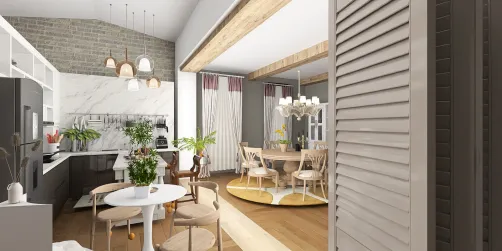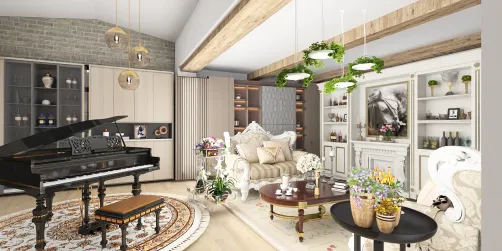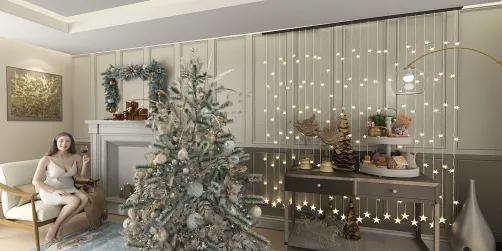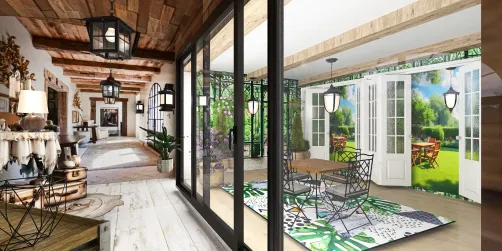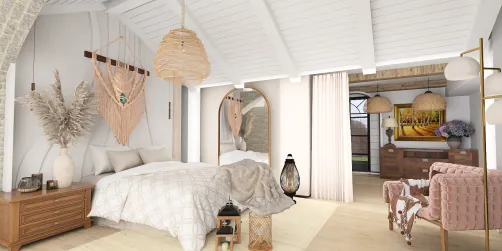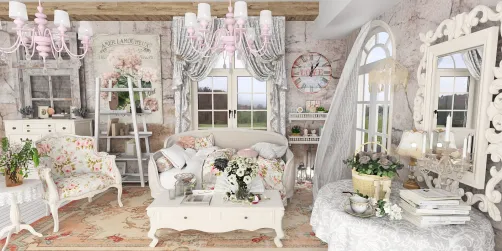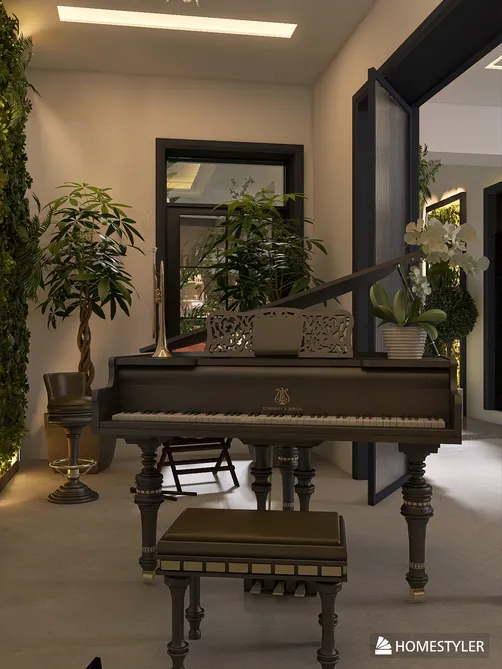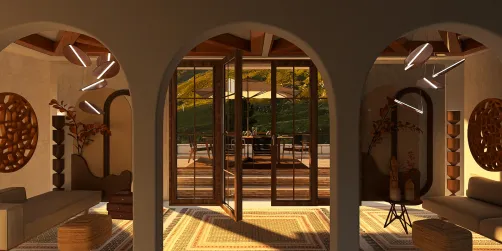
The pressures of future lifestyles—such as the demand for remote workspaces, adaptability in parenting, and the importance of small daily rituals—are challenging our current comfort levels concerning noise and storage. I have been closely observing the trends ahead: a spatial reasoning toolkit emerges as crucial when designing a two-bedroom apartment that needs to accommodate work, relaxation, and social interactions. Recent data from the AIA and NAHB indicates a rise in multi-use spaces, while Zillow trends suggest that clarity in zoning is preferred over sheer square footage; the future is rapidly approaching, and I am already planning for it using tools like Homestyler.
Rail-Core Split: Central living area with adjacent rooms
Design Logic: The primary circulation functions like a main bus route, with bedrooms positioned symmetrically to enhance privacy while keeping communal services concentrated along one corridor.
Flow: Entry → storage area → central living space → kitchen section → Bedroom A → Bedroom B; each segment designed to function with minimal disturbance to others.
Sightlines: A long, clear view stretches from the entryway to the balcony, with private doors placed off-axis to maintain a focus on communal areas while intimate spaces remain secluded.
Storage: Expansive hallway closets serve as efficient storage, with the kitchen pantry adjacent to the main spine to streamline daily tasks.
Furniture Fit: Seating areas designed for a maximum of 84 inches, dining space for four within a 5' x 7' area; bed frames capped at queen size with adequate clear space on both sides—results from a detailed design process.
Verdict: This configuration is well-suited for both hybrid work and shared evenings, effectively balancing the dynamics between public and private life.
save pinOpen in 3D Planner Processing...
Corner-Anchor L: A peaceful wing coupled with a social area
Design Logic: Bedrooms are clustered in the quiet corner; the living room and kitchen create an L-shape that allows light to flow in like a user interface enhancement.
Flow: Entry → drop area → short kitchen segment → long living section → corridor to bedrooms → bathroom cores; an instructional sequence designed to reduce unnecessary backtracking.
Sightlines: A diagonal view connects the kitchen to a window wall; bedroom doors are staggered to prevent straight lines of sight, enhancing privacy.
Storage: Deep media niches and corridor cabinetry create layered storage solutions, with convenient storage positioned near the kitchen area.
Furniture Fit: A sectional sofa limited to 95 inches with a chaise fitted along the window side; 48-inch desks are placed within bedrooms to maintain free circulation space.
Verdict: An urban-centric layout that anticipates quiet work hours during the day, evolving into a vibrant social scene by night.
save pinOpen in 3D Planner Processing...
Split-Suite with Pocket Flex: Two equal-sized rooms plus a versatile space
Design Logic: Each bedroom is designed with equal ensuite facilities; the pocket flex room serves as a multifunctional space suitable for an office, nursery, or workshop.
Flow: Entry → flex pocket → central living area → kitchen bar → suites on either side; this branching ensures that interruptions are kept to a minimum.
Sightlines: The main living area preserves visual focus, while doors to the pocket room slide open to adjust visibility, similar to toggling layers in an interface.
Storage: Dual walk-in closets serve as long-term storage, while the flex room includes modular shelving for temporary storage needs during major life changes.
Furniture Fit: A kitchen island measuring 8' x 3' ensures 42 inches of clearance; each suite is configured to accommodate queen or king-sized beds, provided there is sufficient circulation space of at least 36 inches.
Verdict: This layout considers the evolving roles within a home—be it caregiving, creativity, or tranquility—without necessitating a total redesign of the living space.
save pinOpen in 3D Planner Processing...
Final Takeaway
The design of a two-bedroom apartment floor plan has evolved; it now functions as a dynamic interface designed for contemporary work, caregiving, and rest. Configurations like the 'corner two-bed' and 'split suite' illustrate how privacy, bandwidth, and storage operate as integral systems rather than mere decorative elements. Innovations such as soundproof thresholds and responsive pocket rooms equip homes to adapt to future rhythms. In my view, the most intelligent homes of tomorrow will not necessarily be larger; they will simply be more intentionally designed, with tools like Homestyler guiding their layouts.

Looking to transform your space? Homestyler offers an intuitive online design tool paired with stunning 3D renderings to visualize your ideas effortlessly. Dive into a wealth of design projects and DIY video tutorials to inspire your creativity and bring your dream home to life!