


Over the last ten years, I have designed and reimagined numerous glass-enclosed event spaces, and the Jalavihar venue is ideally suited for creating a bright, almost cinematic experience for guests. The key objective is straightforward: enhance visibility and natural light, manage glare and heat, maintain sound quality, and ensure that movement flows seamlessly even at full capacity.
Effective planning should always be grounded in data rather than mere aesthetics. The WELL Building Standard (WELL v2) places significant emphasis on daylight, suggesting strategies that enhance circadian rhythms and visual comfort; projects focusing on natural light often experience increased satisfaction and a greater sense of well-being among users. Furthermore, research from Steelcase indicates that workplaces with superior control over lighting and sensory comfort report higher engagement and satisfaction levels—these principles can also be applied to event venues where guests spend extended hours in fluctuating lighting and sound environments (refer to Steelcase's findings). The Illuminating Engineering Society (IES) advises specific lighting levels suited to different tasks and areas; in reception and dining spaces, achieving 100–300 lux ambient light with accent layers is effective under a glass roof.
In banquet halls, guest comfort significantly influences time spent and spending habits. Research from Gensler shows that environments that offer both choice and sensory control tend to perform better (Gensler Research Institute). This is particularly relevant for a glass house venue, which necessitates adjustable shading, zoned lighting, and sound management strategies to ensure speech clarity amidst an ambient noise level of 65–70 dBA—this level provides just enough energy without overwhelming conversations. These insights form the foundation of my equipment specifications before any discussions about furniture or floral arrangements take place.
Site and Orientation Strategy
The first step is to consider the sun's path. The glass design near water, such as at Jalavihar, can significantly increase glare risks from surface reflections. I analyze the seasonal solar path and designate zones accordingly: areas with west and southwest exposure require flexible shading solutions (such as motorized shades with 1–3% openness) and low-e glass with a solar heat gain coefficient (SHGC) of about 0.25–0.35. North-facing light is beneficial as it provides soft, diffuse illumination, which is excellent for pre-event functions and photography. When exploring layout options, I utilize a room layout tool like Homestyler to visualize seating arrangements and service routes.
Circulation and Guest Flow
An ideal event experience begins with the arrival process. I design a spacious 10–12 ft wide entry promenade to accommodate influxes during peak guest arrivals, incorporating a clear 5-6 ft service lane discreetly located behind plantings or glass barriers for staff. Buffet areas and bars should be slightly off-center to prevent queues from obstructing main pathways. For events accommodating 300-400 guests, it's wise to plan for two beverage stations and an additional hydration point near the dance floor to keep guests refreshed without overcrowding the primary bar.
To facilitate planning iterations, a layout simulation tool like Homestyler can help visualize guest movement patterns among ceremony, dining, and dance areas. Maintaining aisle widths of at least 5 ft between tables ensures that servers can navigate easily while guests are seated, and a 16-20 ft stage front allows for proper sound clarity without overwhelming attendees.
Seating Geometry and Visual Balance
Round tables measuring 60 inches can comfortably seat eight, while 72-inch rounds accommodate ten. To maintain an elegant density, I aim for 10–12 sq ft per guest for dining, increasing to 14–16 sq ft per guest if theatrical staging or larger dance floors are included. Establish a visual rhythm by aligning table centers with mullion frameworks wherever feasible; this enhances views and imparts an intentional ambiance. Ensure clear diagonal sightlines to key areas like the stage and bar to minimize cognitive overload for guests.
Lighting Layers for a Glass Envelope
Daylight serves as the primary layer, with other lighting complementing it. I target 100–150 lux ambient light during dining experiences, utilizing dimmable decorative pendants and uplighting to enhance vertical surfaces—crucial for photography under the glass ceiling during twilight. Table accent lighting (15–30 lux through pinspots or concealed tracks) creates depth without overwhelming guests. For important speeches and toasts, I recommend key-lighting the stage to reach 500–750 lux with CRI 90+ fixtures to ensure natural skin tones on camera. Follow recommendations from the IES to calibrate lighting for various modes such as reception, dining, and dancing, and program these into controls aligned with sunset times.
Managing glare is essential; high-transmittance glass paired with reflections from water can lead to discomfort. Implement motorized shades, internal frit patterns, and soft goods around the perimeter to disrupt direct light. Maintain low unified glare rating (UGR) throughout to ensure comfort; diffused lighting techniques are particularly effective in glass structures.
Acoustic Comfort in Hard-Surface Spaces
Glass and water can exacerbate echo effects. For events centered on speech, I aim for an RT60 between 0.8–1.1 seconds. This is achieved through a combination of acoustic baffles in the upper area, heavy drapery on select walls, fabric-wrapped panels positioned behind the stage, and soundproof flooring under dance areas. If the ceiling features a clear span, I hang sculptural sound absorbers aligned with truss bays, making them functional visual elements. Direct sound using cardioid subwoofers to prevent low-frequency reverberation underneath the glass canopy.
Thermal and Solar Control
Glass venues can become warm in the afternoon sun and cool rapidly at night. Utilizing low-e coatings, dual-glazed vented windows, and mixed-mode ventilation can help control these temperature fluctuations. It's vital to specify sensors that monitor CO2 levels, temperature, and solar gain in conjunction with HVAC and shade systems. Incorporating cross-venting doors that face prevailing winds can reduce mechanical loads during transitional weather periods. For evening events, perimeter radiant heating can be introduced to mitigate cold downdrafts near the glass borders.
Color Psychology and Atmosphere
In transparent spaces, color is perceived through both reflection and refraction. To cultivate a calm atmosphere, I recommend starting with a neutral base (warm whites at 2700–3000K for evening events) and adding accent colors that mirror the site’s natural elements—cool aquas and deep greens near water bodies. Research in color psychology indicates that shades of blue and green can alleviate stress and foster a serene environment, which is perfect for cocktail and dining experiences. Reserve vibrant colors for dance floor lighting where a lively ambiance is encouraged.
Material Selection and Sustainability
Opt for materials that mitigate sound and reflect light without causing glare: matte plaster, tightly woven textiles, oiled wood, and satin-brass accents. Whenever possible, choose low-VOC finishes and FSC-certified woods. Fabrics that resist stains and can be bleach-cleaned for dining chairs will prolong their lifecycle. For tables, engineered stone with honed finishes diminishes specular highlights in photographs.
Back-of-House Logic and Service Ergonomics
An outstanding guest experience relies on unseen efficiency. BOH corridors should run parallel to the main hall, featuring unobtrusive pass-throughs every 40-60 feet. Staging areas for plated service should accommodate 6-8 linear feet for every 50 guests, ensuring the separation of hot and cold food along with anti-fatigue flooring. Paths for staff to reach dish drop-off points should be kept under 150 feet round-trip to maintain tempo during high-activity service periods.
Stage, AV, and Power Strategy
Design modular stage risers (16–24 inches high) that integrate cable troughs. Equip the hall with floor boxes for AV connections every 20 feet along the centerline and along the sides; ensuring a dedicated clean power circuit for lighting control will avoid technical interferences. Ensuring blackout capabilities at the back of the stage aids in making video projections clear in dusk conditions.
Fire Safety and Egress
Glass venues can create a sense of openness that is misleading. It's essential to keep escape routes visible using low-level lighting and photoluminescent markers. The doors must maintain clear and unobstructed arcs, even when buffet lines are active. It’s important to adhere to local code regulations regarding occupancy and ensure that exit widths are adequate while keeping maximum travel distances within legal limits.
Layouts: From Ceremony to Reception
For events that serve dual purposes, I stage ceremonies with the stunning water view as a backdrop, incorporating soft acoustic screens that can pivot open after the vows. During the transition to cocktails, staff can efficiently rearrange seating to rounds or long tables. Using an interior layout planning tool like Homestyler helps in accurately estimating guest movement and staffing needs in advance of the event.
- Seated dinner: 10–12 sq ft per guest, 300–400 guests while maintaining adequate service aisles
- Ceremony: 6–8 sq ft per guest seated in chairs, in addition to a 8–10 ft wide processional aisle
- Cocktail: 8–10 sq ft per guest with one high-top table for every 10-12 guests and a satellite bar for every 100-120 guests
Lighting and Wellness References
Base your specifications on well-researched sources. I align lighting scenes with IES recommendations for hospitality and event tasks. For considerations regarding occupant experience and circadian rhythms, refer to the WELL v2 guidelines related to daylight and lighting design. For further insights on sensory comfort and guest engagement, consult Steelcase’s research findings.
Budget-Smart Upgrades That Matter
- Prioritize motorized shades for west/south-facing elevations before investing in decorative elements
- Ensure acoustic treatments are installed in the upper area prior to adding extra chandeliers
- Use dimmable, high-CRI lighting fixtures before choosing oversized centerpieces
- Invest in durable, easy-to-clean textiles rather than delicate weaves to extend rental lifespans
Final Touches: Framing the View
Allow Jalavihar’s natural beauty to shine. Keep vertical clutter at the edges minimal to maintain a clean horizon line. Incorporate layered landscaping to soften the space while ensuring clear sightlines are preserved. When lighting, acoustics, and flow harmonize, the glass venue transforms into a responsive stage ideal for creating unforgettable memories.
FAQ
Q1. What methods can I use to control glare in a glass banquet hall during sunset?
A1. Use low-e glass (SHGC ~0.25–0.35) paired with motorized shades at 1–3% openness and gentle, diffused interior lighting. Schedule your lighting scenes to gradually increase ambient and vertical illumination as shades lower to create equilibrium.
Q2. What are the best illuminance levels for dining and speech events?
A2. Aim for 100–300 lux ambient light during dining, with an added 15–30 lux for tabletop accent lighting. For speeches, key-lighting should reach 500–750 lux with CRI 90+ to render faces naturally on camera, all in line with IES guidelines for hospitality activities.
Q3. How many bars should I include for an event with 350 guests?
A3. Plan for two main bars and one supplemental hydration or coffee station situated near the dance floor to minimize lines and maintain service flow at the primary bars.
Q4. What’s the ideal acoustic target for a glass venue?
A4. Set your target RT60 at 0.8–1.1 seconds. Accomplish this through a combination of overhead baffles, fabric panels behind the stage, thick drapes, and substantial flooring installations. Direct sound with cardioid subs to avoid low-frequency distortion.
Q5. How can I ensure comfort as temperatures fluctuate?
A5. Implement ventilated double-glazed windows, low-e coatings, adjustable ventilation systems, and shading technologies tied to solar sensors. Additionally, incorporate perimeter radiant heating for evening events to offset chill near the glass structure.
Q6. What seating arrangement provides the best mix of capacity and comfort?
A6. Utilize 60-inch rounds for eight guests, which strike a good balance between intimacy and service efficiency. Allocate 10–12 sq ft per dining guest and ensure 5-foot aisles for optimal service flow. An interior layout tool like Homestyler can help validate capacity and sightlines.
Q7. What color temperature is suitable for evening events?
A7. Employ warm white lighting in the range of 2700–3000K to create a flattering, timeless appearance beneath glass, counteracting the cooler hues from sky reflections.
Q8. How do I plan for power and AV without creating visible clutter?
A8. Set floor boxes at 20-foot intervals along both central and side areas, integrate cable troughs within modular stage risers, and ensure designated clean power outlets for lighting control to avoid interference.
Q9. What are wise budget priorities for event upgrades?
A9. Focus on motorized curtains for sun-heavy elevations, acoustic solutions in upper spaces, and high-CRI dimmable lighting. These investments provide significant outcomes in comfort and visual quality.
Q10. Can dynamic lighting take the place of decor?
A10. In a glass venue, carefully designed layered lighting often surpasses traditional decor. Utilizing pinspots, vertical washes, and programmable settings can transform the space while keeping the view unobstructed.
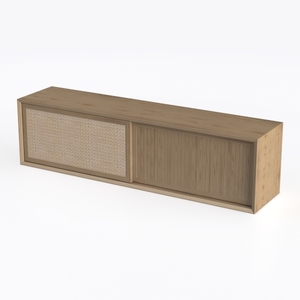
Minimalist Oak Rattan TV Cabinet 3D Model
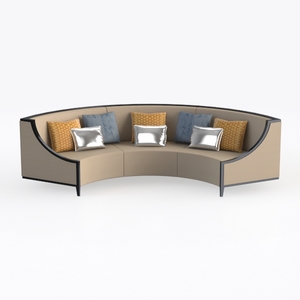
Modern Fabric Curved Sectional Sofa With Decorative Throw Pillows 3D Model

Minimalist Fluted Solid Wood 6 Drawer Dresser 3D Model
Homestyler is an outstanding online platform for anyone looking to design their home effortlessly. With its user-friendly design tool, exceptional 3D rendering, and a wealth of inspiring design projects and video tutorials, you'll transform your ideas into reality in no time!
Diseño ahora GRATIS
































