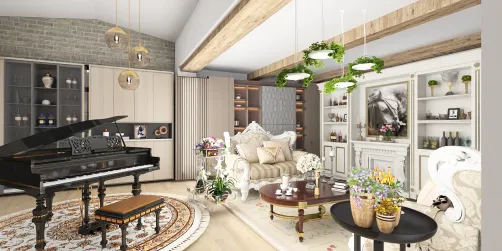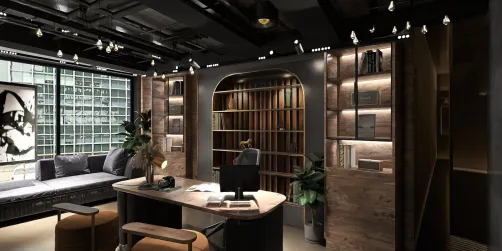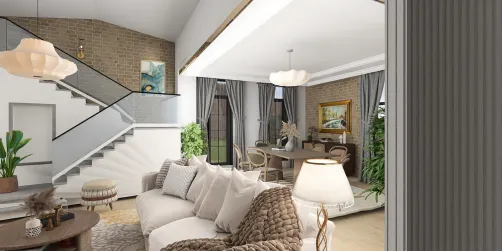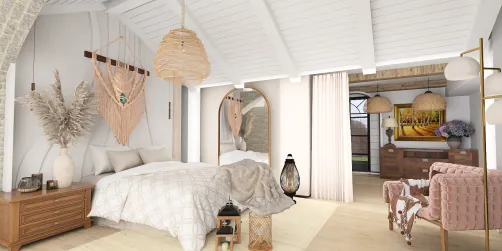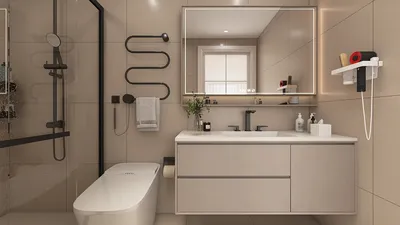
Designing a 3D model of an energy-efficient home necessitates a comprehensive understanding of design principles and the applications that will enable you to actualize your ideas. By adhering to a few simple steps, you can create a model that not only highlights your aesthetic vision but also underscores sustainability and user involvement.
1. Grasping Energy Efficiency Concepts:
Before starting the modeling journey, it is crucial to comprehend the basic tenets of energy efficiency. Your home should aim to optimize aspects such as natural illumination, superior insulation, and the inclusion of energy-efficient appliances. Have you thought about how these factors can enhance both the aesthetics of your home and its energy-saving capabilities?
Initially, consider the strategic placement of windows to harness natural light during the winter months while minimizing heat in the summer. This deliberate arrangement can significantly lower your energy costs while boosting the comfort level within your home.
2. Selecting Appropriate 3D Modeling Software:
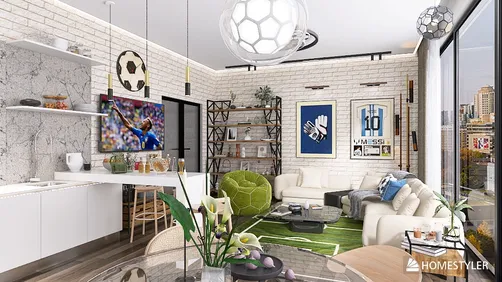
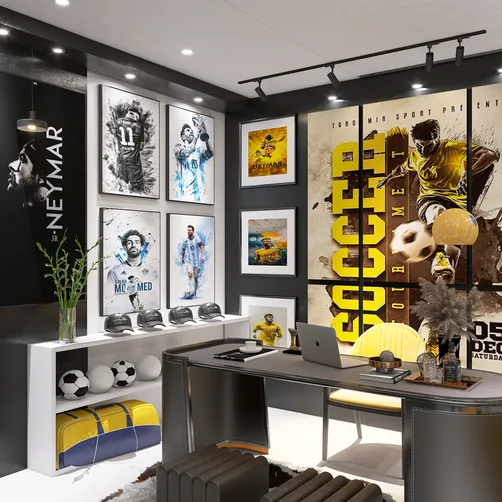
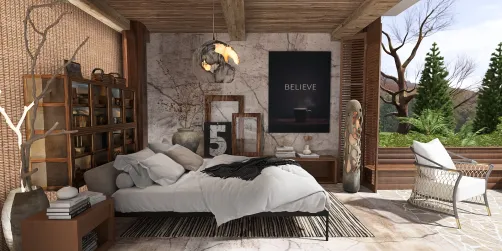
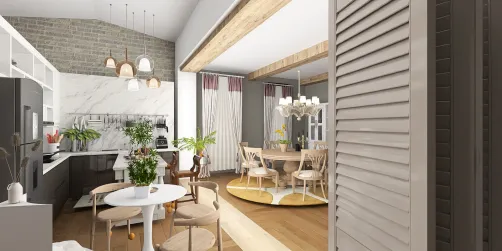
A myriad of software options exists for crafting 3D models, with choices like SketchUp, Revit, and Homestyler. Each software has unique features crafted for specific design needs. Which software are you most inclined to use, or are you eager to explore new options?
For instance, Homestyler is known for its user-friendly interface and extensive library of sustainable materials. Take the time to explore various software solutions to identify one that aligns with your design ambitions and efficiently renders eco-friendly elements.
3. Commencing Your Model Construction:
With your chosen software ready, you can begin constructing your model! Start by outlining the fundamental layout of your house, ensuring to include features that promote energy efficiency, such as solar panels and green roofs. How does each decision influence the overall design and utility of the space?
Don’t forget to integrate textures and colors that reflect sustainable options, such as reclaimed wood or recycled composites. This will not only represent your vision accurately but also create an attractive model that invites interest from potential clients and stakeholders.
4. Assessing Design Efficiency:
After finalizing your model, perform a thorough evaluation to confirm that it adheres to energy efficiency standards. Utilize simulation tools within your chosen software to analyze factors such as energy use and thermal comfort. Have you identified any areas that might benefit from enhancement?
Consider revising your model based on these evaluations to maximize energy conservation within your home design. Regular assessments guarantee that your work stays in line with prevailing industry standards.
5. Finalizing and Showcasing Your Model:
Now that your model is completed, ponder how you will showcase it. Whether through animated presentations, detailed renders, or interactive walkthroughs, aim to convey the advantages of your energy-efficient design clearly. How can you make your presentation captivating for your audience?
Incorporating storytelling in your presentation can further enhance engagement, emphasizing how energy efficiency not only aids homeowners but also fosters a sustainable future.
FAQ
Q: Which software is ideal for modeling energy-efficient homes? A: Common options include SketchUp, Revit, and Homestyler, all of which focus heavily on sustainable design features.
Q: What strategies can I employ to ensure my model optimizes energy efficiency? A: Concentrate on elements like strategic window placement for natural light, quality insulation, and the incorporation of renewable energy solutions, all while complying with standards such as ADA and LEED.



Homestyler is the ultimate online design platform for anyone looking to revamp their home. With its user-friendly design tool, stunning 3D renderings, and a wealth of DIY video tutorials, you'll have everything you need to create your dream space with ease!