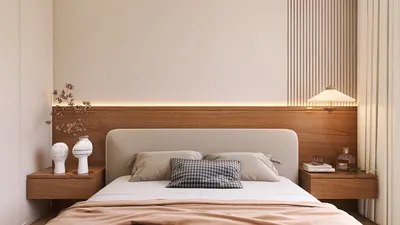


For the past ten years, I've been crafting double-height living spaces, which can evoke a sense of excitement or, conversely, overwhelm based on their design execution. The objective here is to effectively utilize the vertical space to create drama while ensuring that comfort, sound quality, and everyday functionality remain paramount. Incorporating tools like Homestyler can greatly assist in visualizing these layouts during the planning process.
Height has a transformative effect on a space. Light penetrates deeper, sound resonates further, and furnishings often seem diminutive when juxtaposed against tall walls. According to guidelines from the IES, optimal ambient illumination for living areas hovers around 100–300 lux. However, taller rooms may fall short of this standard unless layered lighting is employed. Additionally, seating designs that facilitate social interaction can enhance user satisfaction; research by Steelcase indicates that environments promoting personal interaction correlate with increased engagement in communal spaces, insights just as relevant for home design as they are for office lounges. My planning approach focuses on maintaining unobstructed sightlines, layered lighting, and intentional sound absorption.
In tall rooms, color selection carries significant weight. Research cataloged by Verywell Mind consistently shows that warm neutrals foster a sense of comfort and approachability, whereas blue and green tones can instill calmness and reduce stress. In double-height areas, I prefer mid-tone colors for the walls to mitigate the 'cavern effect,' applying richer shades at eye level to effectively ground the seating zones.
When it comes to designing a double-height room, establishing a clear proportion strategy is critical. I aim for a 60/40 balance: 60% of the space is dedicated to the main seating area and movement, while 40% is reserved for vertical interest, such as artwork, built-ins, staircases, or a standout wall. I achieve vertical rhythm through repetitive design elements—like pilasters, shelving installations, or panel breaks—spaced every 4 to 6 feet to avoid the appearance of 'empty wall syndrome.' If there's a staircase or mezzanine visible from the living area, I reflect that rhythm across the opposite wall using lighting or millwork to establish a cohesive visual dialogue.
Effective lighting is paramount in tall spaces, where ambient light should remain indirect and evenly distributed. I prefer integrating uplighting into ceilings, utilizing perimeter coves, and placing tall floor lamps that contribute to a vertical wash of light. Task lighting should be conveniently located where occupants will be seated—such as swing-arm lamps positioned at 28 to 32 inches above the seat height—and reading areas aiming for approximately 300–500 lux. Accent lighting should highlight art and architectural features, where the beam spread is carefully selected to minimize glare from higher viewpoints. Establishing a hierarchy for dimming is vital, incorporating separate circuits for ambient, task, accent, and feature lighting to allow for mood adjustments without excessively brightening the ceiling. Additionally, controlling glare is crucial; lights with a high color temperature (above 4000K) can impart a sterile feel in residential spaces, so I maintain ambient lighting between 2700 to 3000K, warming to 2400K for evening settings.
In spaces with tall ceilings, echo can become an issue. I address this challenge by mixing absorptive and diffusive surfaces early in the design process. Elements like rugs, upholstered seating, and fabric drapes provide essential sound absorption. Bookshelves arranged with varied contents, slatted timber walls, and ribbed plaster serve as diffident surfaces. For rooms largely featuring glass, I recommend layered window treatments, such as sheer materials for daytime diffusion and lined drapes for nighttime sound absorption. If a hard-floored mezzanine is present, placing an area rug directly above the main seating area can significantly reduce double-bounce reflections.
When selecting colors and materials, I prioritize those that maintain a relatable scale. I combine tactile materials at touch points—like bouclé, leather, timber, and textured plaster—while using smooth and reflective surfaces selectively for vertical accents. Warm mid-tones at eye level (like taupe, camel, or olive-gray) help anchor the seating area, while cooler shades lift the upper regions of the room. Applying darker colors or timber on the lower third of the walls can visually ground the space, and utilizing lighter finishes above assists in the distribution of natural light. In cases where a double-height fireplace is designed, incorporating a textured surround—such as split-face stone or fluted tile—can help break up the vertical scale and offer some sound absorption.
The layout must prioritize intimacy through furniture clustering. I begin with a central conversation area consisting of a sofa, two lounge chairs, and an ottoman arranged around a coffee table with an 18-inch clearance. Secondary seating options, like a chaise positioned by the window or a reading chair beneath the staircase, create micro-destinations for relaxation. It's essential to maintain passage lanes of 36–42 inches and avoid diagonal traffic through the primary seating area. For efficient spatial planning and visualization, employing a room layout tool can help test various furniture arrangements against circulation on the first day.
Incorporating feature walls and vertical art installations in your design is vital. Large canvases, tall mirrors, or sculptural lighting can help diminish blank wall areas while establishing a focal point hierarchy. Personally, I lean towards a singular striking feature instead of competing elements. For oversized artwork, center it at eye level rather than at the midpoint of the wall; this maintains its vertical aspect while ensuring connection with the room's occupants. Integrated shelving that extends to the ceiling can be segmented: the lower compartments for everyday items, with the upper sections used for occasional displays and lighting coves.
Utilizing large windows with tall glazing allows for abundant daylight but can lead to uneven distribution. I opt for layered window treatments, such as motorized roller shades for higher clerestories and manual side-panel drapes for lower sections. While reflective flooring can enhance daylight, it may also heighten glare; thus, I recommend using matte timber or low-sheen stone to offset this. It's crucial to account for solar heat gain—south/west facing windows benefit from low-E glazing and external shading options. Additionally, seating should be strategically positioned to receive light from the side rather than directly to prevent squinting, aligning reading chairs near side windows equipped with adjustable task lighting.
If there's a mezzanine that overlooks the living area, the design of the guardrail should be considered in the overall aesthetic. Using slim steel or timber slats with a consistent rhythm can create a harmonious connection to the patterns on lower walls. Adequate lighting beneath the mezzanine is necessary to counter any shadows—using hidden linear lights at the edge alongside table lamps in the seating group is ideal. To ensure acoustic comfort, soft flooring above and plush seating below are essential to prevent the overlook from functioning as an echo chamber.
In a double-height area, careful attention must be given to placing the TV in relation to the proportions of the space. If the fireplace extends to the ceiling, locate the TV on an adjacent, lower niche, or employ a mid-height media wall with integrated storage. The center of the screen should be positioned between 42 to 48 inches from the floor to ensure an optimal viewing experience. For fireplaces, utilizing sealed gas or clean-burning models can reduce particulates, keeping surfaces clean; a hearth depth of 16 to 18 inches offers both safety and a usable ledge.
In designing for human factors, maintaining a comfortable scale is crucial. Seats with depths of 20 to 22 inches accommodate most users, while ensuring a mix of firm and soft cushions enhances comfort. Coffee tables are most effective when their height ranges from 16 to 18 inches and are positioned 12 to 18 inches from the edge of the seating. Lighting fixtures should be easily accessible without the need to lean, with side tables set at heights of 22 to 26 inches to align with typical armrest levels. Storage spaces for frequently used items should be positioned between knee and shoulder height, keeping higher shelves for display purposes.
When considering sustainability and maintenance, it's essential to choose durable finishes that will age gracefully, such as oiled timber, wool rugs, and performance fabrics with removable covers. Utilizing LED lighting with a high color rendering index (CRI of 90+) facilitates good color representation while minimizing energy consumption. Preference should be given to materials with verified low-VOC emissions and, wherever feasible, to FSC-certified wood products. Ensuring ease of cleaning for dust accumulation on elevated shelves and beams is vital; consider adding closed tops, integrated access ladders, or designated maintenance points.
Looking ahead to 2024–2025, there are three significant trends emerging for tall living spaces: sculptural linear lighting that frames the volume, biophilic design aspects incorporating indoor trees and textured stone, and hybrid lounge-work zones that feature concealed power outlets and task lamps. Color schemes are gravitating towards earthy tones—think mushroom, clay, and deep greens—complemented by calming shades of blue. The focus is on texture rather than overt embellishment, with technology subtly integrated into the background.
The planning checklist for designing double-height spaces includes:
- Define a hierarchy of focal points: whether it be the fireplace, artwork, or staircase.
- Clearly establish circulation paths from the outset to safeguard the main seating area.
- Incorporate layered lighting with distinct dimmable circuits for versatility.
- Balance sound control with both absorption and diffusion strategies.
- Ground your color choices at eye level while utilizing lighter shades overhead.
- Select materials that emphasize tactile quality and longevity.
- Ensure that the rhythm of the mezzanine design resonates with the lower walls.
- Plan for maintenance accessibility concerning elevated surfaces.
FAQ
For effective ambient lighting, aim for a range of approximately 100–300 lux, ensuring task lighting for reading is set at 300–500 lux. Tall rooms often require indirect uplighting and multiple sources to avoid dark ceilings and excessive glare, consistent with IES recommendations.
For general warmth, utilize lighting at 2700–3000K, adjusting to 2400K in the evenings for a relaxing atmosphere. Keep accent lighting adjustable with dimming options to maintain desired moods and contrasts.
Combining absorbing elements like rugs, upholstered furnishings, and lined drapes with diffusive designs such as bookshelves, timber slats, and ribbed plaster can effectively manage sound. Layer window treatments to control light, and consider area rugs on mezzanines to minimize reflections.
Create a primary seating arrangement around a central table while maintaining an 18-inch distance and circulation lanes of 36–42 inches. Introducing secondary seating options diversifies the usability of the space. Utilizing a room layout planner can quickly facilitate various configuration options.
Position the TV at a height of 42 to 48 inches from the floor, either on a designated media wall or an adjacent niche. Avoid placing the screen excessively high on the fireplace to prevent neck strain during viewing.
Incorporate absorbing materials like wool rugs, heavy drapes, bouclé upholstery, and textured timber to bring warmth and mitigate sound. Surrounding a fireplace with fluted tile or split-face stone helps break vertical scale and softly diffuses sound.
Establish layered treatments such as motorized shades for upper clerestories to manage intense midday sun, complemented by side-panel drapes for privacy in the evening. Position seating to prevent sharp glare while relying on task lighting for focused activities.
Yes, provided that daylight conditions and maintenance are conducive. Incorporating large planters with proper irrigation and selecting plant species tolerant of indirect bright light can greatly enhance biophilic design, softening scale and improving comfort.
Implement separate dimmable circuits for ambient, task, accent, and feature lighting. Scene presets for different times of day—like morning, evening, and entertaining—help maintain comfort without overwhelming brightness.
Design with maintenance in mind, incorporating closed tops on tall built-ins, concealed access options, and regular cleaning strategies. Opt for finishes that conceal dust and are easy to clean safely.
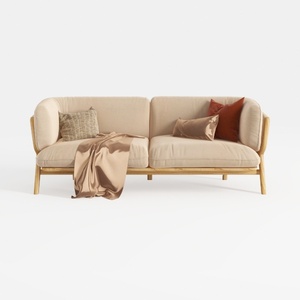

Tennozu Linen Fabric Loveseat Sofa, Convertible Fu
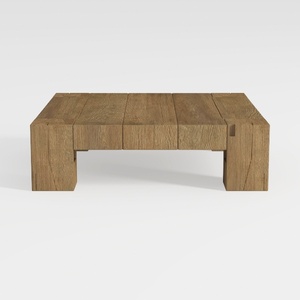
GiftGo Coffee Table Mid Century Modern Center
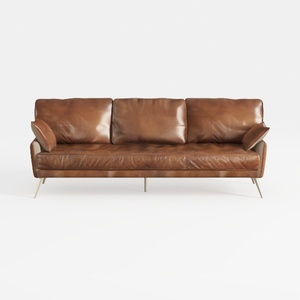
ovios Luxury 3 Seater Sofa with Faux Leather,Mid
Discover Homestyler, your go-to online home design platform! With its user-friendly design tool, stunning 3D renderings, and a wealth of DIY video tutorials, you can easily create and visualize your dream spaces. Perfect for both beginners and seasoned designers alike!
Diseño ahora GRATIS
































