Designing a restaurant kitchen involves meticulous planning to achieve optimum efficiency, functionality, and safety standards. Each element, from the layout to the equipment choices, is vital for your restaurant's success. This article will delve into the essential components of restaurant kitchen design, such as ideal layouts, necessary equipment, and important safety measures. Whether you’re building a new kitchen or revamping an existing one, grasping these concepts is crucial for establishing a culinary space that enhances productivity and supports your kitchen staff's needs with tools like Homestyler for visualization.
Understanding Kitchen Layouts
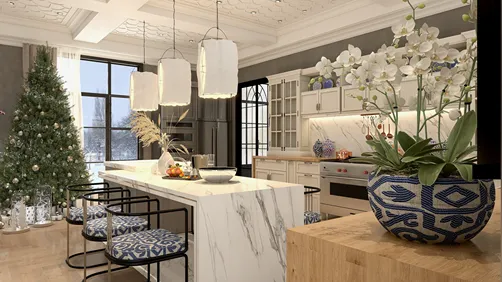
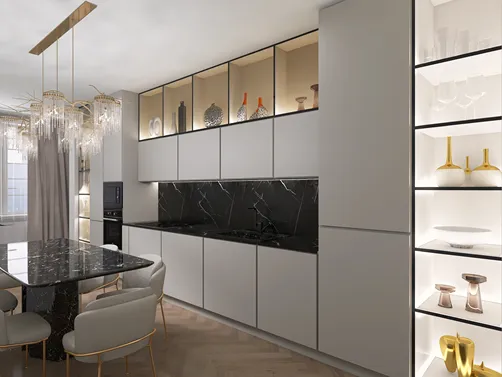
The configuration of your restaurant kitchen is key to ensuring its operational efficiency. Popular kitchen layouts include the assembly line, U-shape, and island formats. Each of these designs has its unique benefits, tailored to different types of cuisine and order volumes. For example, a fast-casual restaurant might benefit from an assembly line design, while a U-shape is often more suitable for gourmet kitchens that require collaboration among chefs. Consider your restaurant’s specific needs and how the kitchen's flow can promote speedy service and streamline processes with the help of tools like Homestyler to plan effectively.
Choosing the Right Equipment
Selecting high-quality kitchen equipment is a critical investment for any restaurant. Essential items may include ovens, grills, refrigerators, and prep stations, all of which should align with your menu and culinary style. Pay close attention to energy efficiency, as this aspect can greatly influence your overall operational expenses. Furthermore, ensure you have sufficient storage solutions in place. Organized storage is key to maintaining a smoothly operating kitchen, and planning this layout can be enhanced by utilizing Homestyler's design features.
Safety and Compliance in Kitchen Design
Prioritizing safety in your restaurant kitchen design is non-negotiable. This involves ensuring adequate ventilation, implementing fire safety protocols, and adhering to health regulations. Clear access to fire extinguishers and maintaining hygiene standards are essential elements. Regular staff training on safety measures can significantly boost the safety of your kitchen environment, creating a space where culinary teams can operate confidently and effectively.
Conclusion and Reflective Thoughts
Crafting a restaurant kitchen is a fulfilling challenge that merges creativity with functional design. A thoughtfully designed kitchen enhances both efficiency and the overall dining experience. Throughout my exploration of kitchen design, I’ve discovered the importance of every detail—from where to install a pot rack to choosing slip-resistant flooring. In the culinary realm, precision is crucial, and with tools like Homestyler, every aspect of your kitchen can be meticulously planned to celebrate creativity and functionality.
FAQ
Have you encountered any difficulties while designing your restaurant kitchen or have unique experiences to discuss? What helpful strategies have you discovered? Share your thoughts below!
Welcome to Unlock 10,000+ Free Home Design Ideas