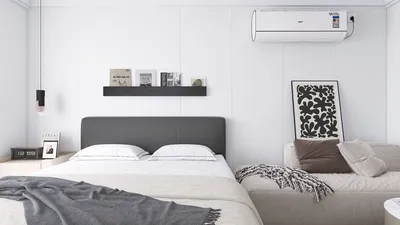


I had an interesting project involving the design of a tiny house where the homeowner requested a sunken living room, describing it as akin to a private theater. On my second day, I nearly stumbled into it, which taught me that an effective sunken lounge must feature clear sightlines, well-placed steps, and integrated cues. Working in small spaces challenges my creativity; with the right trim, lighting, and storage techniques, a potentially dangerous design can transform into a cozy centerpiece. This principle was demonstrated in a compact layout project I tackled with the help of Homestyler, which allowed for innovative planning.
1. Opt for a shallow and intentional drop
I usually suggest implementing a single shallow step (approximately one riser) instead of a deep pit. This approach maintains separation while ensuring the area remains bright and open, preventing it from feeling cramped. The benefit lies in creating an intimate space, while the trade-off is that you must visually emphasize the edge—either through colors or lighting—to avert accidents.
save pin
2. Incorporate built-in seating and storage along the edges
My go-to budget strategy involves using built-in benches that function as drawers or open shelving around the sunken area—resulting in clean sightlines and increasing storage without requiring extra furniture. The key challenge is to design the joinery to look custom rather than a haphazard collection of boxes; my rule is to template twice and cut once to ensure precision.
save pin
3. Illuminate the sunken area with effective lighting and area rugs
Using layered lighting—like step LEDs, a pendant light above the coffee table, and uplighting behind a sofa—creates a sense of purpose in the sunken space. I like to anchor the furniture with a warm rug, which helps reduce echo; however, remember that rugs should have anti-slip underlay due to the height difference. It's a small investment for significant comfort, and for tighter spaces, I use Homestyler to create a 3D floor plan model, helping clients visualize the layout before finalizing decisions.
save pin
4. Enhance natural light with clever sightlines
Implementing low windows, clerestories, or applying a bright gloss paint to the lowered wall can contribute to making the sunken lounge feel spacious rather than confined. There is a trade-off with privacy, so I often recommend translucent shades that allow light while softening views; it's a minor cost that significantly enhances the mood of the space.
save pin
5. Differentiate transitions using contrasting materials
Transitioning flooring at the threshold—such as from oak planks to warm stone tiles—provides a tactile indication of stepping down. This technique aids in wayfinding and adds a polished look, although it requires a bit of additional carpentry for seamless movement joints. For optimal circulation and storage solutions, check out ideas derived from my efficient floor planning work with Homestyler.
save pin
Tips:
When uncertain, a simple mockup using tape on the floor alongside a stack of cushions can be beneficial for testing step heights and sightlines during a weekend—clients usually appreciate this straightforward rehearsal.
save pin
FAQ
Q1: Is a sunken living room safe in a small house?
Absolutely—when designed with clear visual markers, consistent riser heights, and appropriate lighting. I adhere to building codes regarding step dimensions and always recommend the inclusion of handrails or contrast strips in homes that experience higher traffic.
Q2: What is the ideal depth for a sunken area?
For compact homes, I prefer a single step (6–8 inches) to create a cozy yet accessible environment. Going beyond two risers can lead to an overly separated feel and limit the influx of natural light.
Q3: Which flooring suits best at the edges?
A combination of hardwood or engineered wood for the upper level paired with a durable rug or tile in the sunken area works effectively—this setup not only is easy to clean but also offers visual distinction. Ensure to utilize a proper transition strip to safeguard the edges.
Q4: How can I create a sense of spaciousness in a sunken living room?
To enhance the area, maximize the entry of daylight, opt for lighter colors on the lower back wall, and choose low-profile furniture to maintain clear sightlines. Mirrors and reflective surfaces can also contribute positively, but avoid cluttering the step zone.
Q5: Are there any accessibility considerations?
Yes—sunken spaces can pose challenges for those with mobility difficulties, so it's vital to think about the addition of ramps, handrails, or even a flush lounge area if accessibility is a priority. For diverse mobility among guests, a level plan can be the more accommodating option.
Q6: Do building regulations apply to sunken rooms?
Yes, they can. According to the International Residential Code (IRC), stair riser heights and tread depths are subject to regulation—typically a maximum riser of 7 3/4 inches (197 mm) and minimum tread depths—therefore, it's crucial to verify local adherence to the IRC and consult your code official before proceeding with construction.
Q7: What is the estimated cost for constructing a sunken living room?
Costs fluctuate significantly: a basic shallow sunken step with lighting and finishes can be reasonably priced, while more complex factors such as excavation, new joists, or radiant heating will increase the overall cost. I generally recommend budgeting an additional 10–20% for unforeseen expenses in older properties.
Q8: Is it possible to convert an existing raised living space into a sunken one?
Often yes, although structural factors need to be taken into account—floor joists, HVAC systems, and wiring may require relocation. I always advise conducting a structural evaluation and developing a phased plan to ensure the space remains functional during renovations.
save pin
Discover the ease of home design with Homestyler! This user-friendly online platform offers a powerful design tool, stunning 3D renderings, and a vast library of DIY video tutorials. Whether you're a novice or a pro, bring your creative visions to life effortlessly!
Diseño ahora GRATIS
































