I once worked with a client who wanted their treadmill cleverly concealed behind a gallery wall of family photos. I achieved this by installing a sliding panel that allowed the treadmill's belt to function and the TV to swivel. This experience highlighted how creatively utilizing small spaces can yield impressive solutions, often resulting from the most unconventional requests. To spark quick ideas, I frequently present clients with various space-saving layout designs that I’ve crafted, helping them to envision the possibilities with tools like Homestyler.
1. Folding and Vertical Treadmills: tuck it away
My first recommendation for small spaces is folding treadmills or those designed to stand vertically; they maximize floor space and transform a living area or home office into a multifunctional space. Although they tend to be pricier and might have a narrower running surface, many find the trade-off worthwhile for the extra square footage regained.
save pin
2. Multi-use Furniture Pairing: desk, bench, or platform
I once created a raised platform that cleverly concealed a foldable treadmill beneath and featured a bench on top — it kept the treadmill completely out of sight during Zoom meetings. The main considerations here are ensuring adequate ventilation and easy access for maintenance, so it's wise to incorporate easy lifts or removable panels and choose equipment that allows enough clearance.
save pin
3. Corner Nooks and Closet Conversions
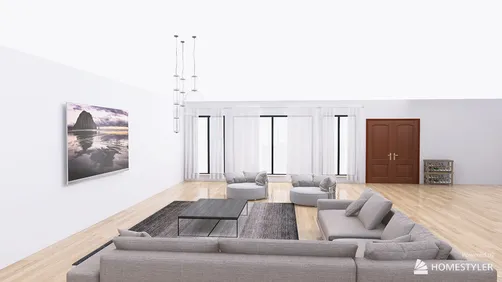
Utilizing corners or shallow closets can turn them into excellent nooks for treadmills, providing a sense of seclusion while keeping the machine out of general traffic areas. However, be mindful of width limitations and headroom, and consider adding vertical shelves or hooks next to the treadmill to create a dedicated fitness zone. For accurate spatial planning, I prefer visualizing treadmill placements in 3D using platforms like Homestyler before making any purchases.
save pin
4. Balcony or Indoor-outdoor Hybrids
If you have a covered balcony, a compact treadmill can allow you to enjoy fresh air without overwhelming the living room space — just be sure to consider floor load limits and weather protection. This choice can be delightful during pleasant weather, but don’t overlook noise and neighbor considerations; opting for quiet-running models and adding padding underneath can significantly reduce vibrations.
save pin
5. Optical Tricks and Positioning: make it feel bigger
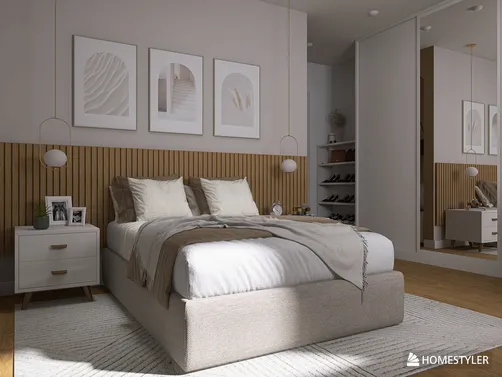
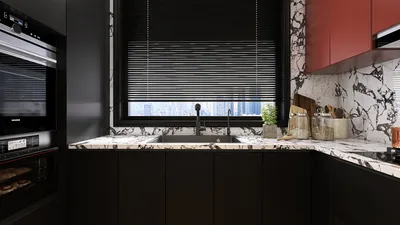
Positioning a treadmill adjacent to a mirrored wall or in proximity to sleek cabinetry can create the illusion of a larger space while seamlessly integrating the machine into the overall room design. Additionally, I recommend orienting the treadmill towards a focal point, such as a TV, window, or art piece, so it appears purposeful; transforming a small kitchen alcove into a workout nook through thoughtful design can also be remarkably effective.
save pin
FAQ
Q1: What size treadmill is best for small apartments?
Opt for a compact or folding treadmill model with a belt width ranging from 16 to 20 inches for walking and 20 inches plus for running. Remember to measure the designated area and allow clearance for safety and access.
Q2: Are folding treadmills safe?
Absolutely, most contemporary folding treadmills come equipped with locking mechanisms and safety keys; nonetheless, do check their weight capacity and ensure the fold/unfold process is smooth before final positioning. A sturdy base and proper setup are crucial for safe usage.
Q3: How much clearance do I need around a treadmill?
Manufacturers generally advise at least 2 feet of space on the sides and 6 feet behind for safety; however, it’s best to consult your model’s manual for specific recommendations. Also, leave additional room for maintenance and airflow.
Q4: Can a treadmill fit in a bedroom?
Yes, particularly with a folding model; however, consider factors such as noise, potential disturbances to sleep, and ventilation. Utilizing an anti-vibration mat beneath the treadmill can help minimize the impact on floors and ensure restful sleep.
Q5: How to reduce treadmill noise in an apartment?
Implement thick rubber or anti-vibration mats, choose models that operate quietly with good motor isolation, and try to avoid using it during peak hours if you have close neighbors. Strategically positioning it away from shared walls can also assist in noise reduction.
Q6: Do I need a dedicated circuit for a treadmill?
Typically, most treadmills operate using a standard 120V outlet, but high-power variants may require more current; consult the user manual and an electrician if you're uncertain. Avoid using long extension cords to prevent voltage drops.
Q7: Is it better to buy a folding treadmill or a compact non-folding one?
Folding treadmills are ideal for conserving floor space, making them suitable for multipurpose rooms, while compact non-folding versions tend to be sturdier for frequent use. Think about how often you’ll need to store it and how easy it will be to move around.
Q8: How much exercise should I aim for on a treadmill?
The CDC recommends a minimum of 150 minutes of moderate-intensity aerobic activity per week for adults. Distributing this time across sessions that fit your routine is advisable. Using a treadmill can simplify tracking your progress towards these goals.
save pin
Homestyler is your go-to online home design platform! With its user-friendly design tool, stunning 3D rendering, diverse design projects, and helpful video tutorials, you can effortlessly transform your home ideas into reality—perfect for both beginners and seasoned designers!