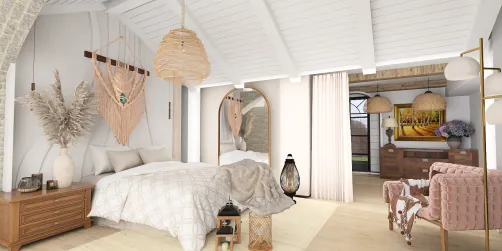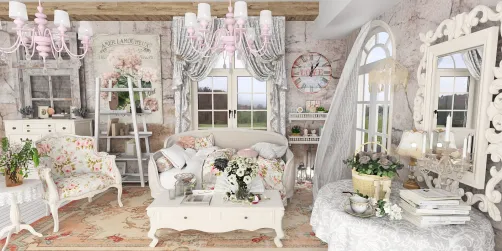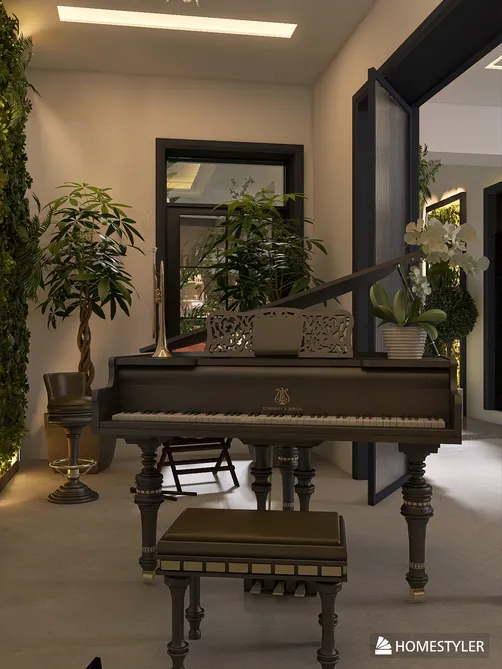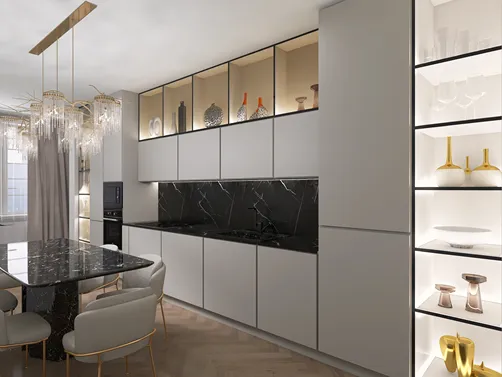
Once, I had a client who envisioned their shelves emulating those found in a bookstore, but occupying only half a wall. The result was a charming little literary fortress, which taught me a thing or two about achieving vertical balance. Working with small bedrooms often drives me to consider height and visual space; an intelligent shelving solution can transform into a storage champion while also enhancing the room's atmosphere. If you're looking to brainstorm ideas prior to making any decisions, utilizing a tool like Homestyler for a quick room mockup can help you visualize scale and sightlines in an instant.
1. Asymmetrically Grouped Floating Shelves
I’m a fan of floating shelves for their airy and contemporary appearance, especially in smaller bedrooms where they maintain a visually open floor space. Arrange them in asymmetrical groupings by varying heights and lengths to generate visual interest without causing clutter. However, precise wall anchors and a steady hand are essential for proper installation.
save pin
2. Recessed Niche Shelving with Trim
Transforming a shallow recess into custom shelving creates a polished, built-in look. Although the upfront labor may be pricier compared to traditional brackets, the advantage lies in achieving a seamless finish and dust-free corners. It's crucial to check the wall depth and wiring before starting any demo work on the plaster.
save pin
3. Corner Ladder Shelves for Limited Spaces
When width is a challenge, corners become valuable allies—slim ladder shelves can fill awkward spaces while allowing room for plants, books, or bedside lamps. To maintain stability, ensure heavier items are placed low on the shelf; for clients needing a realistic preview, I sometimes utilize Homestyler to create photorealistic renders that accurately depict wood tones in different lighting conditions.
save pin
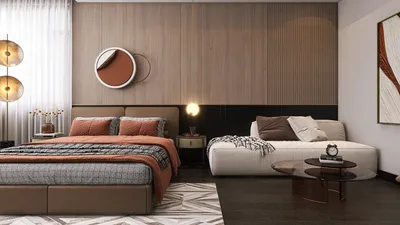
4. Headboard-Integrated Shelves
Incorporating shelving into a headboard effectively transforms otherwise wasted space into a functional focal point, while also keeping bedside clutter at bay. However, you must consider light management—when storing chargers or lamps, use thoughtful channeling to conceal cables and opt for dimmable lighting to ensure restful sleep.
save pin
5. Slim Wall Cabinet with Sliding Doors
For a sleeker appearance, a shallow wall cabinet with sliding or tambour doors offers tidy concealment for visual clutter alongside reasonable storage space. Although this option is slightly more expensive than open shelving, the privacy and clean lines are well worth it for those who prefer a minimalist aesthetic. I often leverage AI tools like Homestyler for layout suggestions and quick concept comparisons to enhance the design process.
save pin
FAQ
Q1: What type of shelf is ideal for a small bedroom?
I frequently suggest floating shelves or slender corner units as they maximize floor space and create an airy ambiance. Pay attention to the depth—shelves measuring 10–12 cm generally suffice for decor and small items.
Q2: How high should shelves be mounted above a bed?
Maintain decorative shelves at least 30–40 cm above the headboard to prevent a cramped feeling and avoid knocking items as you sit up. For functional shelving, conduct a quick mockup at eye level before installation.
Q3: Are wall shelves safe to install near a bed?
Yes, provided they're anchored securely into studs or using rated anchors; it's best to avoid heavy objects directly above sleeping areas. If you’re uncertain, opt for lower shelves or secure items with museum putty for added safety.
Q4: What materials work best for bedroom shelving?
Lightweight wood veneers, painted MDF, and slender metal brackets are popular choices due to their affordability and light weight. While solid wood can convey luxury, it often requires stronger fixings and may be heavier.
Q5: How can I style shelves without causing clutter?
Combine books arranged in both vertical and horizontal orientations along with small plants, framed photos, and one or two sculptural items. Ensure to leave negative space—aim for one empty spot for every three items to create visual breathing room.
Q6: Is it possible to mount shelves on plasterboard walls?
Yes, you can mount shelves on plasterboard as long as you use appropriate-rated anchors for the load and ideally attach to studs for heavier items; toggle bolts or Molly bolts are suitable for medium weights. If unsure, consulting a professional is recommended to avoid damaging the wall.
Q7: What weight can typical wall shelves support?
Shelf weight capacity varies based on materials, fixings, and span; a solidly anchored bracketed shelf can typically hold between 30–50 kg, but always verify the manufacturer's specifications. For heavier storage needs, it’s advisable to distribute the weight across multiple brackets.
Q8: Do I need to anchor tall shelving units?
Definitely—anchoring tall furniture to the wall is vital for safety. The U.S. Consumer Product Safety Commission (CPSC) recommends this practice to prevent accidents caused by tipping; this minor extra step can avert significant injuries.
save pin
Discover the ease of home design with Homestyler! This user-friendly platform offers a powerful online design tool, stunning 3D renderings, and a wealth of inspiring design projects and video tutorials. Bring your creative visions to life effortlessly, whether you're a beginner or a seasoned designer!