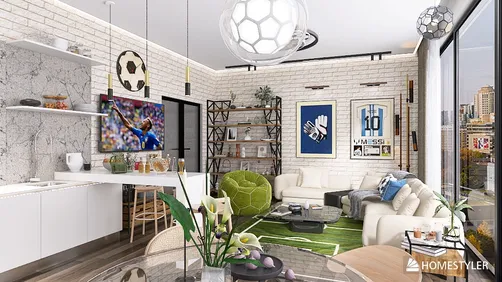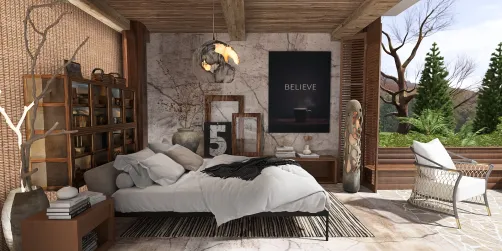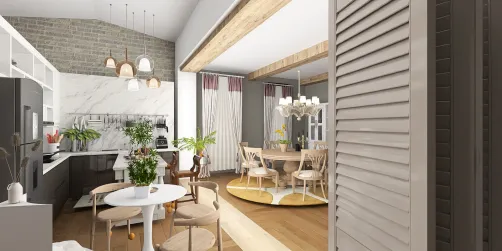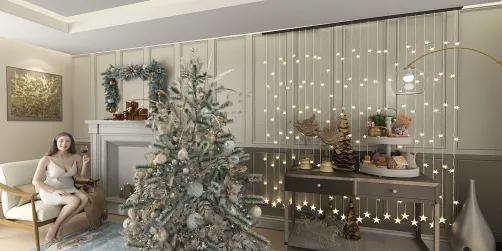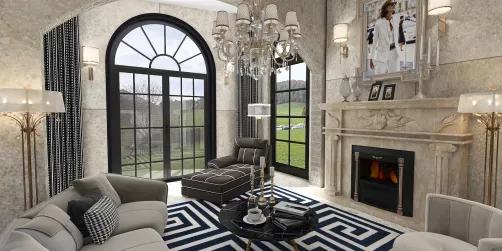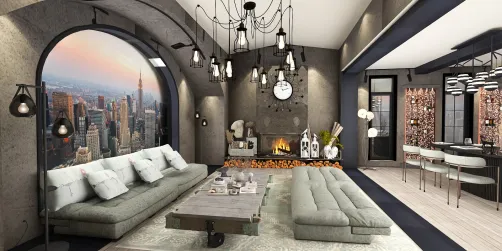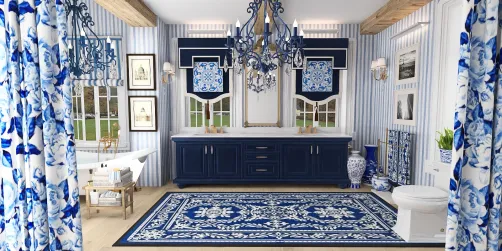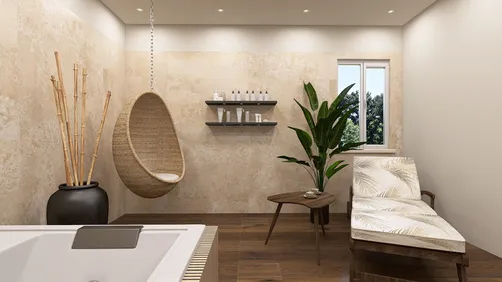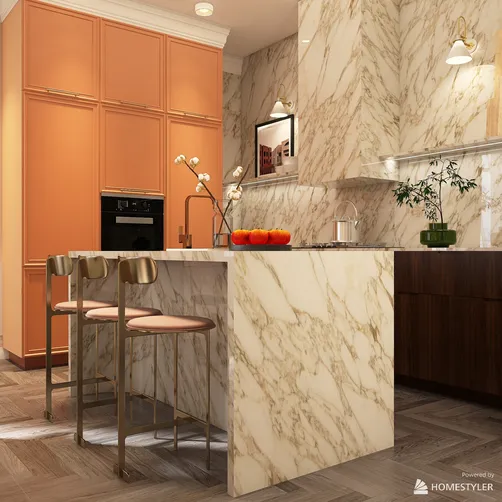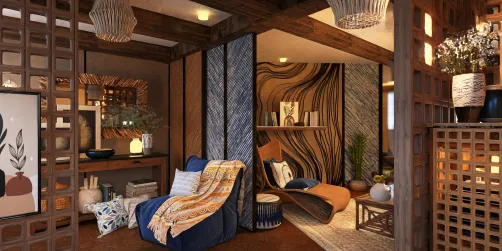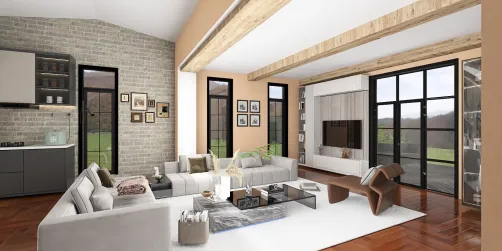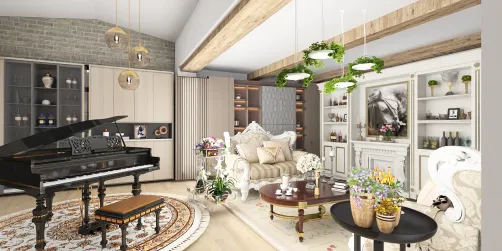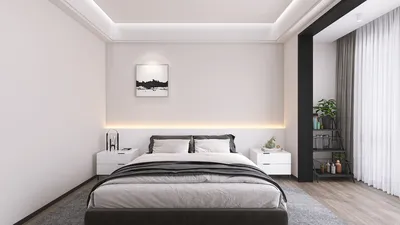
In recent years, a notable transformation has taken place in interior design preferences—people now favor adaptable and stylish solutions that don't require extensive renovations. Having redesigned several compact apartments, I've learned that confined spaces often lead to the most innovative ideas. This article presents 10 creative living room lighting solutions that do not require wiring, inspired by real-world projects and expert insights, to help you achieve both aesthetic appeal and practicality without the hassle.
1. Dimmable LED Floor Lamps
Personal Insight: In one of my initial small urban apartments, an adjustable LED floor lamp became my go-to solution. It not only provided adequate task lighting for reading but also created a cozy ambiance for movie nights.
Benefits: They are easily portable, do not require an electrician, and modern LED technology ensures energy efficiency. Many models come with remote controls, which is beneficial for compact areas. Research from Energy.gov indicates that LEDs can last up to 25 times longer than traditional incandescent bulbs.
Drawbacks: These lamps may occupy floor space, potentially complicating arrangements in very small living rooms.
Recommendation: Opt for a slender, vertical design to minimize clutter and maintain open sight lines.
2. Battery-Powered Wall Sconces
Personal Insight: I once added adhesive sconces above my couch with no drilling required, instantly giving the wall a touch of elegance.
Benefits: Ideal for renters, these sconces come in a variety of styles from vintage brass to sleek modern designs, with many utilizing rechargeable batteries, which helps reduce waste.
Drawbacks: Changing the batteries may pose a slight inconvenience if not planned ahead.
Example: A recent client enhanced her Scandinavian-inspired decor with minimalist sconces, seamlessly integrating style and functionality.
3. Plug-In Pendant Lights
Personal Insight: A plug-in pendant became a stunning centerpiece above my coffee table without any ceiling alterations. By using a ceiling hook, I transformed the atmosphere of my rental.
Benefits: Provides striking overhead lighting; cords can be styled alongside walls for a purposeful appearance.
Drawbacks: Visible cords might not suit everyone’s taste, although fabric covers can conceal them effectively.
4. Smart LED Strip Lights
Personal Insight: I enjoy placing LED strips behind my television unit; they add depth and modern flair without any electrical installation.
Benefits: Adjustable colors and brightness levels; app control allows you to set the perfect mood effortlessly. Popular options include Philips Hue.
Drawbacks: The adhesive may lose its grip over time, particularly on uneven surfaces.
5. Clip-On Shelf Lamps
Personal Insight: In a micro-apartment, I clipped lamps directly onto my shelves, doubling as task lighting for reading.
Benefits: Affordable, repositionable, and excellent for spotlighting art or books.
Drawbacks: Fewer style options compared to standard lamps.
Recommendation: Consider matte black or brass finishes for a more sophisticated appearance.
6. Cordless Table Lamps
Personal Insight: This addition revolutionized my coffee table arrangement. Portable table lamps provide intimate lighting and can be positioned anywhere.
Benefits: Rechargeable options last between 8 to 10 hours; they are perfect for entertaining.
Drawbacks: Smaller lamps might not adequately light an entire area.
Example: Recently, I saw a client use warm-toned cordless table lamps to enhance her seating areas, adding depth and warmth.
7. Rechargeable Art Lights
Personal Insight: As an art enthusiast, I utilize rechargeable picture lights to illuminate artwork without the need for wall installations.
Benefits: They enhance focal pieces without casting harsh shadows; most models offer adjustable positioning.
Drawbacks: Regular recharging is necessary, typically every 2 to 3 weeks.
8. Elegant Fairy Lights
Personal Insight: When draped inside a glass vase or along windows, fairy lights create a whimsical effect. I prefer warm white to avoid a dorm-like appearance.
Benefits: Cost-effective, versatile, and seasonal-friendly.
Drawbacks: Overuse can lead to a cluttered look.
9. Battery Operated Lanterns
Personal Insight: I arranged two woven battery-powered lanterns by my reading chair for an instant cozy nook.
Benefits: Provides texture and ambiance; easily movable for outdoor use.
Drawbacks: Generally not bright enough for specific tasks.
Recommendation: Combine with stronger light sources for better balance.
10. Cordless Uplighting
Personal Insight: I often place cordless spotlights behind plants to cast dramatic shadows—a simple way to enhance a dark corner's depth.
Benefits: Creates striking gallery-like effects with no wiring required. Architectural Digest suggests it as a top strategy for mood lighting in compact spaces.
Drawbacks: Batteries must be replaced unless you choose rechargeable USB options.
Example: I have used this technique in staging projects alongside botanical accents to create visual contrast and interest.
Conclusion
Compact living rooms aren’t constraints; they invite smarter design thinking. Selecting no-wiring lighting solutions enables you to maintain flexibility, style, and renter-friendliness. The American Lighting Association highlights that layered lighting enhances both mood and functionality. Which of these 10 creative ideas will you incorporate first into your space? And don't forget to explore options on platforms like Homestyler for a visual aid.
Common Questions
1. What are some of the best living room lighting solutions without needing wiring?
Options like floor lamps, plug-in pendants, battery-operated sconces, and LED strips provide adaptable and renter-friendly alternatives without making permanent changes.
2. Are battery-operated lights sufficient for a living room setting?
Yes, but it’s advisable to combine them with other light sources. Aim for over 300 lumens for accent lighting and at least 800 for reading areas.
3. How long do rechargeable LED lamps typically last?
According to data from Energy.gov, high-quality LEDs can last anywhere from 25,000 to 50,000 hours, with rechargeable varieties generally providing 8 to 10 hours per charge.
4. Is it feasible to mix different non-wiring lighting types?
Absolutely! Combining uplights, sconces, and table lamps can create depth and prevent flat lighting.
5. Can I achieve overhead lighting without electrical setups?
Yes—plug-in pendants or hanging lights attached with ceiling hooks are quick solutions with no electrical work necessary.
6. What is the cost range for lighting options that don’t require hardwiring?
Costs vary widely, starting from around $15 for fairy lights to $200 or more for designer plug-in pendant fixtures.
7. Will adhesive-backed lights harm my walls?
Most of these utilize removable strips; it’s wise to test a small patch first to prevent any paint damage.
8. Are cordless lighting options compatible with smart home systems?
Yes, numerous cordless products now feature app controls or can sync with smart home assistants for convenience.
Homestyler is your go-to platform for home design! Its user-friendly online design tool, stunning 3D renderings, and a wealth of DIY video tutorials empower you to unleash your creativity and transform your space effortlessly. Perfect for both beginners and seasoned designers!