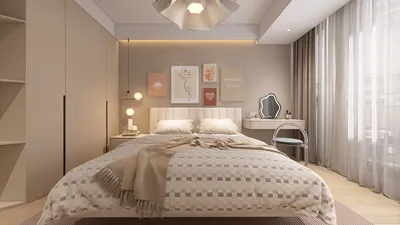


As an interior designer with a decade of experience working on numerous small-space homes, I've realized that the most significant limitation often lies in our imagination rather than the actual square footage. Current design trends emphasize the importance of multifunctional spaces, especially when it comes to converting a corner of the living room into a cozy bedroom. Small areas can stimulate big ideas, and in this article, I will share 10 of my favorite concepts for integrating a bedroom within a living room, drawing from my personal expertise and insights from respected design professionals.
1. Minimalist Sleeping Nook
Insight: I once assisted a client in designing a tranquil sleeping nook in a 35m² studio, utilizing a low bed frame, soft white linens, and a single wall-mounted shelf. This minimalistic approach created an illusion of spaciousness and tranquility.
Advantages: A minimalist aesthetic minimizes visual clutter, allowing the sleeping area to seamlessly integrate with the living space, which works excellently for open-plan designs.
Disadvantages: It may feel too sparse for those who prefer a more textured, layered look.
Suggestion: Opting for neutral color palettes can maintain a light appearance for the sleeping nook; consider adding plants for additional warmth.
2. Divider with Open Shelving
Insight: In my own previous apartment, I used an open-shelf bookcase to separate my bed from the sofa area. This solution functioned both as a storage wall and a stylish display unit.
Advantages: This setup offers privacy while allowing light to permeate, avoiding the sensation of being enclosed.
Disadvantages: It can accumulate dust if not tended to, and items on the shelves may appear disorganized if not arranged properly.
Inspired by this, check out how employing open shelving as a room divider can completely redefine small-space arrangements.
3. Lofted Bed Above Living Area
Insight: For a client with a high-ceiling loft, we crafted a compact staircase leading to a lofted bed above the TV area—maximizing vertical space while maintaining functionality.
Advantages: This design keeps the bed out of high-traffic zones, freeing up the primary floor for entertaining.
Disadvantages: Not suitable for individuals with mobility concerns; the lofted area can also be warmer due to heat rising.
Suggestion: Ensure sufficient ceiling clearance—design experts recommend at least 1 meter above the mattress for comfort.
4. Murphy Bed Behind the Sofa
Insight: I find Murphy beds to be incredibly versatile. One project featured a custom shelving unit that concealed a fold-down bed behind the sofa wall, maximizing the space.
Advantages: The bed can be tucked away when not in use, effectively transforming the living room into a multifunctional area.
Disadvantages: They come with a higher initial cost and require consistent effort to operate.
Suggestion: Look for gas-spring hinges for smoother operation when folding away the bed.
5. Daybed as a Primary Sofa
Insight: Replacing a traditional sofa with a well-decorated daybed was a game-changer for a client in a compact loft—providing them a versatile piece of furniture that fit snugly in the alcove.
Advantages: Daybeds offer seating during the day and convert into a bed at night, eliminating heavy lifting or folding.
Disadvantages: They may not provide as much back support as full-sized sofas for extended lounging.
Suggestion: Layering cushions and bolsters enhances both comfort and aesthetic appeal.
6. Sliding Glass Partition
Insight: A couple in a 40m² apartment sought division without sacrificing light, and frosted sliding glass doors provided a beautiful glow in their bedroom area.
Advantages: This feature offers physical separation while maintaining an airy and visually connected space.
Disadvantages: It lacks the sound insulation of solid walls.
If this intrigues you, explore how sliding glass partitions can revolutionize small apartment designs.
7. Raised Platform Bed with Storage
Insight: In my design projects, I've utilized raised platforms to establish a sleeping zone while incorporating drawers underneath, serving as an excellent dual-purpose solution.
Advantages: This adds visual distinction and valuable storage, which is essential in tiny apartments where every inch matters.
Disadvantages: It requires precise craftsmanship and is not easily movable once constructed.
Suggestion: A natural wood finish can create a warm and inviting atmosphere.
8. Bold Accent Wall Behind the Bed
Insight: In one instance, we painted a deep teal wall in a client's living room, which effectively established a designated sleeping area.
Advantages: It provides a clear visual boundary between different zones without using physical partitions.
Disadvantages: Strong colors may not suit everyone's preferences, and repainting can be labor-intensive if style changes are desired.
Suggestion: Consider using removable wallpaper for adaptability.
9. Curtain Enclosure for the Bed
Insight: I recall creating my own linen curtains to encircle my bed in my first apartment—offering instant privacy at a minimal cost.
Advantages: Affordable, easy to set up, and adjustable based on mood or preference.
Disadvantages: Provides limited soundproofing; fabric will require cleaning regularly.
Suggestion: Opt for ceiling-mounted tracks for a tidy appearance.
For a softer solution, explore how fabric and drapery can enhance cozy zoning within your space.
10. Built-in Headboard with Storage
Insight: A custom headboard that incorporates shelves provided my client with both bedside storage and an attractive centerpiece for the living room sleeping area.
Advantages: This design maximizes floor space while adding character, and you can integrate lighting for a reading nook effect.
Disadvantages: It can be less flexible if future room rearrangements are contemplated.
Suggestion: Look for modular designs that can evolve over time as your needs change.
Conclusion
Creating a bedroom within a living room is not about compromising space; it's about leveraging smart, innovative design to enhance functionality. As recognized by Apartment Therapy, the finest small-space solutions harmonize practicality with style. So, which of these creative ideas do you envision using in your own home with the help of tools like Homestyler?
FAQ
1. How can I make a bedroom in my living room appear intentional?
Incorporating distinct decorative elements such as rugs, lighting, or an accent wall can clearly define the sleeping area while keeping a cohesive color palette with the rest of the living space.
2. What is the most cost-effective way to establish a bedroom in the living room?
Using curtains or a daybed is an affordable and flexible option, which is especially advantageous for renters.
3. Is it possible to host guests if my bedroom is in the living room?
Absolutely. Thoughtful dividers and organized storage ensure the space can function without feeling overcrowded.
4. How can I enhance privacy?
Consider using open shelving, sliding glass doors, or curtains—choose based on your desired balance of light, privacy, and aesthetic requirements.
5. Is a lofted bed suitable for all apartment types?
Not necessarily. Verify ceiling heights; designers recommend a minimum of 2.4m for comfort and safety.
6. Are Murphy beds worth the investment?
They can be, particularly if you frequently need to reclaim floor space. Their practicality and ease of use significantly contribute to their value.
7. Will a bedroom in the living room impact resale value?
Generally, a thoughtful design that maximizes versatility can appeal to prospective buyers, as indicated by a 2022 Houzz report.
8. Can I visualize this layout online?
Yes, many homeowners employ digital design tools. Explore how visualizing in 3D can refine your concepts before undertaking renovations, integrating solutions like Homestyler for enhanced clarity.
Homestyler is an exceptional online home design platform perfect for anyone looking to revamp their space. With its user-friendly design tool, stunning 3D renderings, inspiring design projects, and helpful DIY video tutorials, bringing your home vision to life has never been easier!
Diseño ahora GRATIS
































