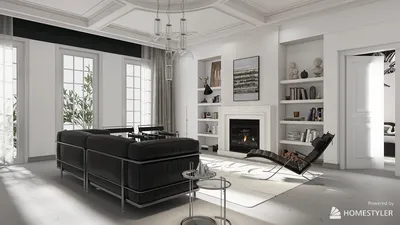


Throughout the years, I have observed that modest living spaces often inspire remarkable design innovations, particularly in the realm of futon living rooms. As urban apartments and compact homes become increasingly popular, futons have evolved from simple guest beds to stylish statement pieces. In this article, I am excited to share ten creative futon living room concepts, influenced by both my personal projects and industry insights. These ideas will showcase how style and functionality can coexist harmoniously within any space, especially when using tools like Homestyler to visualize your designs.
Minimalist Futon with Concealed Storage
In my experience, I've designed a 20m² studio where the futon served as a clever storage unit – books, blankets, and seasonal décor all tucked away with ease. The simple lines and neutral palette kept the space feeling open and airy, making it an ideal choice for small living rooms.
Advantages: This setup optimizes the utility of tiny living spaces by merging seating, sleeping, and storage, which supports the popular clutter-free minimalist aesthetic often found in Scandinavian designs.
Drawbacks: The storage compartments in futons may be too shallow for bulkier items, requiring regular tidying to maintain an uncluttered look.
Suggestion: Opt for a futon that features smooth-sliding drawers to prevent floor scratches and to enhance storage efficiency in your minimalist living room design.
Japanese Style Low Futon
Personally, I appreciate the calm, Zen-like atmosphere created by low futons, especially those that are paired with tatami mats. They suit peaceful environments designed for relaxation and unwinding.
Advantages: This design enhances the perception of openness in a tight space; it aligns perfectly with Japanese minimalism and encourages a cozy sitting arrangement.
Drawbacks: Low seating can pose discomfort for older guests or individuals with mobility challenges.
Example: In a project for a young couple, incorporating a low futon allowed for wall space to be freed for floating shelves, which made the room feel taller and more spacious.
Convertible Futon for Accommodating Guests
Reflecting on my childhood, our family futon was essential for surprise sleepovers, and today's convertible designs make this transition incredibly easy and stylish.
Advantages: This multifunctional piece serves dual purposes as both seating and an additional bed; some models offer split-back designs for adaptable lounging.
Drawbacks: Less expensive models may have thinner mattresses that gradually lose comfort.
Suggestion: Consider investing in a quality memory foam topper for enhanced comfort when the futon is used for sleeping.
Wood Frame Futon for Coziness
I believe that wooden frames add a handcrafted touch to living rooms. I often use rich oak or light birch, which can seamlessly integrate with bohemian and Nordic design themes.
Advantages: Wood introduces natural texture and is generally more durable than metal frames; it works exceptionally well with neutral or earth-toned futon covers.
Drawbacks: They are bulkier than metal variations, which makes moving them around more challenging.
Instance: In a city loft, I combined a wood frame futon with indoor plants to create a cozy, nature-inspired ambiance that softened the hard industrial features.
Futon with Eye-Catching Pattern Covers
Patterns are my go-to solution when a room feels too cautious. Changing out futon covers acts as a simple refresh.
Advantages: This method provides a low-cost means of rejuvenating your living space; you can introduce seasonal hues without needing to repaint walls.
Drawbacks: Bold patterns can clash with other designs in smaller settings unless balanced with neutral tones.
Suggestion: To complement a vibrant futon cover, keep other textiles understated.
Sectional Futon for Adaptable Arrangements
For uniquely shaped living rooms, sectional futons can be incredibly versatile. In one instance, I utilized a sectional to create a natural divide between the lounge and dining areas in a compact 30m² apartment.
Advantages: The modular design allows for easy layout adjustments and offers ample seating options.
Drawbacks: It occupies more floor space, making it impractical for very narrow rooms.
Futon with Integrated Side Tables
In my own compact living room, built-in side tables on the futon frame eliminated the need for an additional coffee table.
Advantages: They are ideal for holding essentials like lamps and books, streamlining the space by combining functionalities.
Drawbacks: May limit flexibility if you frequently like to rearrange your furniture layout.
Suggestion: Look for a model featuring removable side tables for increased adaptability.
Futon with Under-lighting
Incorporating LED strips beneath the futon base creates a floating illusion – a technique I've successfully employed in small apartments to enhance spatial perception.
Advantages: It boosts the ambiance without occupying extra physical space and is perfect for evening mood lighting.
Drawbacks: Requires proximity to a power outlet; some inexpensive LED strips may provide uneven brightness.
Outdoor-Indoor Futon Hybrid
For residences with patios or balconies adjacent to the living room, I often recommend futon styles designed for both indoor and outdoor use.
Advantages: This versatility allows for enhanced multi-purpose functionality; outdoor fabrics are typically more durable and easier to maintain.
Drawbacks: Outdoor materials may not offer the same comfort as traditional upholstery options.
Custom Upholstered Futon
Custom upholstery permits complete control over every aspect – fabric, color, and stitching. I find joy in crafting unique pieces that become focal points in the living area.
Advantages: A bespoke design reflects your individual style and can be precisely tailored to fit your space's dimensions.
Drawbacks: This option often comes at a higher price with longer delivery times; replacing covers can also be more challenging compared to standard models.
Instance: In a contemporary loft, a teal velvet futon with brushed brass accents emerged as the standout element that brought the entire design together, echoing luxurious urban living.
Conclusion
Compact living rooms featuring a futon can embody style rather than limitation; they simply require smarter design choices. From multifunctional storage solutions to customized upholstery, adopting the right futon living room ideas can transform small areas dramatically. As highlighted by Apartment Therapy, selecting multifunctional furniture could enhance the usable area by as much as 30%. Which of these suggestions would you be excited to implement in your own home using tools like Homestyler?
FAQ
1. What is the most suitable futon style for a compact living area?
Undoubtedly, minimalist designs with concealed storage are ideal, as they help maintain organization while maximizing functionality.
2. How can I enhance the aesthetic appeal of my futon?
Incorporate textured throws, patterned covers, and accent pillows that align with your living room's theme for a stylish upgrade.
3. Are futon beds comfortable enough for regular sleeping?
High-quality futons featuring thick memory foam can provide comfort suitable for everyday use, though traditional mattresses still offer superior support for the spine.
4. What is the best way to clean a futon sofa?
Most futons have removable covers that make washing simple; always refer to the fabric care labels for specific instructions.
5. Is it possible to utilize a futon in an office environment?
Definitely – futons can serve as comfortable seating for meetings and double as a guest bed in workplaces designed for multiple uses.
6. What is the typical lifespan of a futon?
With adequate care, a quality futon can endure for 8 to 10 years, according to Consumer Reports.
7. Are eco-friendly futon options available?
Certainly, you can find futons crafted from sustainably sourced wood and upholstered with organic cotton or hemp materials.
8. Can I design my own futon arrangement?
Yes, there are brands that support modular customization, and you might even begin with an online planner similar to the Homestyler platform for your layout ideas, then adapt that vision to your living space.
Homestyler is your go-to online home design platform, perfect for both novices and pros. With its user-friendly design tool, stunning 3D renderings, and a wealth of DIY video tutorials, you can effortlessly transform your space and unleash your creativity. Design your dream home today!
Diseño ahora GRATIS
































