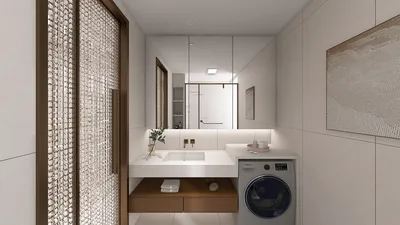


There was a time when I nearly hung an oversized landscape so low above a sofa that it inadvertently became a shelf for guests — it’s a true story. After salvaging that painting (and preventing my client's coffee mugs from becoming casualties), I began sketching quick visual mockups before any nail touched the wall. If you enjoy experimenting without the pressure of commitment, consider creating a visual layout mockup first to test proportions and spacing; it has certainly saved me from a few awkward mistakes.
Tiny spaces can ignite massive creativity — honestly, the smaller the room, the more inventive I become. Here, I’ll outline five practical inspirations I’ve applied in real renovations, along with minor pitfalls to keep in mind to ensure your artwork appears intentional rather than haphazard.
1. One Bold Statement, One Clear Focal Point
I have a passion for featuring a singular, striking painting as the focal point of a room. It establishes a captivating element and simplifies furniture arrangement — I once showcased a sultry abstract painting above a mid-century credenza, and suddenly the space began to feel like a chic boutique hotel. The benefit is immediate visual impact with minimal effort; however, the piece must be appropriately sized and illuminated, or else it can dominate the room excessively.
save pin
2. Sleek Gallery Strip Over Seating
In narrow rooms, a horizontal gallery strip positioned above sofas or beds can work wonders. Maintain uniformity in frame colors and consistent spacing to minimize visual clutter. It can be budget-friendly if you blend originals with thoughtfully selected prints, though you'll need to be precise with a ruler and level — nothing frustrates me more than crooked gallery strips.
save pin
3. Diverse Scales for Depth and Motion
Combining a small painting with a larger piece can create a narrative rather than a mere matching set. I often balance a grand canvas with a trio of smaller works on the opposite wall to lead the viewer's eye. If you’re placing art near functional areas like the kitchen, consider it akin to a kitchen workflow diagram: the art should complement activities, not obstruct them. The trade-off is extra planning time, but the outcome feels rich and lived-in.
save pin
4. Lean, Layer, and Experiment with Surfaces
Leaning framed artworks against a wall on shelves or consoles provides a forgiving and dynamic approach. I've staged residences where clients could swap pieces nightly — low commitment yet high in personality. This method is perfect for renters and allows for adventurous color combinations, yet one should keep weight and stability in mind, particularly if children or pets are present.
save pin
5. Illuminate as a Gallery
Proper lighting elevates a painting from mere decoration to an immersive experience. Employing adjustable picture lights or directional ceiling tracks can effectively emphasize texture and color without causing glare. I sometimes model lighting scenarios in design software to navigate tricky angles and often suggest dimmable fixtures, allowing the ambiance to shift throughout the day. The downside is that wiring or fixture expenses can add up, so budget wisely and consider portable picture lights for a more economical solution — plus, be sure to test lighting both day and night.
save pin
FAQ
Q1: At what height should I hang a painting above a sofa?
Aim to center the artwork at approximately eye level, which is about 57 inches from the ground, leaving a gap of 6–12 inches between the sofa's top and the frame. This arrangement fosters a comfortable visual relationship without making the artwork appear overly elevated.
Q2: How many paintings are suitable for a small room?
In compact spaces, less is usually more: one striking piece or a tightly clustered selection of smaller works maintains an airy feel. If you desire a gallery vibe, adhere to uniform framing and spacing to prevent clutter.
Q3: Should frames match the decor in the room?
Frames should complement the overall decor without imitating it. Contrasting frames (for instance, a matte black frame against warm wood) can add visual interest, while matched frames provide a sense of harmony. Prioritize the painting's style first, then select the frame as a complement.
Q4: Can prints rival the appearance of originals?
High-quality prints can look remarkable when properly matted and framed; they offer a cost-effective means to experiment. While originals may display more texture and depth, prints allow for guilt-free exploration.
Q5: How can I protect paintings from sunlight?
Whenever feasible, avoid direct sunlight exposure and utilize UV-filtering glass for framed pieces. If artwork will be subjected to sunlight, consult with a framer regarding conservation methods; the sun’s rays can fade pigments over time.
Q6: Any advice for displaying art in a kitchen?
Position art where it won’t be affected by cooking splatters; think about placing it higher above backsplashes or on pantry walls. Treat the art’s positioning like a kitchen workflow diagram — it should enhance your space without disrupting the movement within it.
Q7: How can technology aid in arranging paintings?
Utilizing mockup tools or AI design previews allows you to experiment with scale, color, and arrangement before committing to any permanent fixtures. I rely on technology for rapid iterations, and when budget permits, I incorporate photorealistic render tests — this process accelerates decision-making and reduces unnecessary returns.
Q8: Do art selections impact well-being?
Absolutely — art can significantly influence mood, focus, and comfort. Research and health institutions, including Harvard Health, have shown that engaging with art can diminish stress and promote mental well-being.
save pin
Unlock your creativity with Homestyler, the ultimate online home design platform! Effortlessly create stunning spaces using its user-friendly design tool, explore a vast library of 3D renderings, and gain inspiration from DIY video tutorials. Transform your home design dreams into reality today!
Diseño ahora GRATIS
































