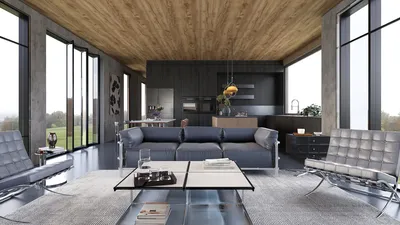


I view room checklists as dynamic blueprints: crucial elements that ensure functionality, comfort, and safety, complemented by flexible additions that adapt to your usage of the space. The objective here isn’t to overload but rather to focus—selecting the appropriate pieces in the correct proportions for daily life. Incorporating tools like Homestyler can also aid in visualizing this balance effectively.
Utilizing performance data is key to establishing priorities. The WELL v2 framework advises maintaining ambient lighting levels between 300–500 lux for most activities, with glare minimized through the use of diffusers and protective shields. This range effectively reduces eye strain and enhances concentration. Moreover, research from Steelcase indicates that when seating and posture are optimized, workers experience a 17% boost in perceived productivity—demonstrating that the checklist transcends aesthetics; it directly relates to human factors. For a more comprehensive understanding of health-centric lighting and ergonomic standards, refer to the WELL v2 guidelines.
Patterns of behavior influence what we deem essential. I tend to focus on finding items that alleviate friction—providing clear pathways (ideally 900–1000 mm wide), intuitive storage within arm's reach for commonly used items, and managing sound levels to keep background noise around 35–40 dBA in bedrooms and reading nooks. Transformative comfort metrics and baseline ratios refine a generic checklist into a customized plan, ensuring a harmonious living space that can also be designed using tools like Homestyler.
Core Principles: Crafting a Dependable Room Checklist
- Prioritize function first: sleeping, socializing, cooking, working, hygiene. Each function corresponds to must-have items (bed, seating, stove, desk, ventilation) before aesthetic considerations.
- Define spatial ratios: primary pathways around large furniture should be a minimum of 750 mm; ensure bed clearances in the bedroom are at least 600 mm on sides; living room seating should have 450–600 mm of clearance around coffee tables for ease of access and movement.
- Layer lighting effectively: ambient (300–500 lux), task (500–1000 lux for activities like reading and cooking), and accent lights for ambiance and depth.
- Establish comfort as a priority: invest in ergonomic seating with lumbar support; include soft materials for sound absorption; and manage temperature with layered fabrics.
- Enhance safety and accessibility: opt for rounded edges in tight traffic areas; choose stable rugs with non-slip backing; ensure that cords are well organized.
Bedroom Must-Haves
- Bed + Mattress: Select firmness based on sleep preferences; maintain a minimum circulation of 600 mm on sides when possible.
- Pillows + Bedding: Consider seasonal adaptability with items like duvets and breathable sheets.
- Nightstands: Height should be within 50 mm of mattress top for convenience; look for integrated lighting or charging options.
- Lighting: Utilize dimmable overhead lights; bedside lamps should emit 2700–3000K warm light for a calming atmosphere.
- Storage: Incorporate wardrobes or dressers; under-bed bins are beneficial when space is limited.
- Window Treatments: Choose blackout or layered drapes to enhance sleep quality; consider acoustic-lined options in noisy areas.
- Rugs: Add comfort and sound insulation; ensure they have a non-slip pad for safety.
- Indoor Air Quality: Use low-VOC materials; an operable window or an air purifier is essential for limited ventilation settings.
Living Room Essentials
- Main Seating: Select a sofa or sectional appropriate to the room size; ensure ergonomic seat depth is around 500–550 mm for most users.
- Additional Seating: Incorporate armchairs or stools; flexible furniture can accommodate guests without making the space feel cramped.
- Coffee Table: Aim for a height of approximately 400–450 mm; ensure a clearance of 450–600 mm to surrounding seating.
- Side Tables: Include at least one accessible surface per seating area.
- Media/Storage: Opt for consoles with closed storage to manage clutter; apply cable management strategies.
- Lighting: Use a layered approach—have a floor lamp near seating, along with dimmable ambient lighting, and accent lights to minimize glare.
- Acoustic Features: Integrate soft textiles, bookshelves, and curtains; consider using a rug in the main conversation area to dampen sound echoes.
- Greenery: Introduce a few easy-care plants to enhance biophilic design; be cautious not to obstruct pathways.
Kitchen Essentials
- Work Triangle: Create efficient paths among the cooktop, sink, and fridge; keep each leg of this triangle roughly 1.2–2.7 m when feasible.
- Key Appliances: Invest in reliable cooktops/ovens, refrigerators, and microwaves or steam ovens as needed.
- Ventilation: Ensure a capable hood to handle smoke and odors effectively.
- Preparation Areas: Maintain at least one clear, well-lit counter space; include task lighting beneath cabinets.
- Storage: Utilize base drawers for heavier items; vertical dividers for trays; place everyday essentials within easy reach of the prep area.
- Safety Features: Keep fire extinguishers within easy access; round off sharp edges on counters in tight areas.
- Cleaning Supplies: Ensure the sink has a spray head, along with a drying rack and sealed bins for waste and recycling.
- Dining Area: If space permits, include a small table or breakfast bar with stools for casual dining.
Bathroom Essentials
- Fixtures: Select toilets with soft-close seats; sinks should be positioned at an ergonomic height (typically 800–850 mm).
- Bathtub/Shower: Install non-slip flooring; utilize thermostatic mixers to ensure stable water temperatures.
- Ventilation & Drying: Include an exhaust fan; maintain easy access to towel bars/hooks.
- Storage: Incorporate closed cabinetry for medications and personal items; add niches in the shower for convenience.
- Lighting: Use mirror lights to eliminate shadows at eye level; install ambient ceiling fixtures rated for moisture.
- Mirrors: Select anti-fog options; consider a medicine cabinet behind the mirror for additional storage.
- Safety Features: Ensure grab bars are installed where necessary; choose bath mats with non-slip backing.
- Materials: Use water-resistant finishes and maintain sealants to prevent leaks.
Home Office Must-Haves
- Ergonomic Chair: Find an adjustable chair with lumbar support and armrests. According to Steelcase, optimal seating boosts focus and comfort, emphasizing the importance of choosing the right chair.
- Desk: Ensure a depth of 700–800 mm for monitors and keyboards; include cable grommets for tidy organization.
- Monitor Arrangement: Set up monitors at eye level, maintaining a viewing distance of 500–700 mm; task lamps should be glare-controlled.
- Keyboard/Mouse: Opt for wrist support; maintain a neutral forearm angle for comfort.
- Storage: Include filing systems or shelves within easy reach; utilize cord trays beneath the desk.
- Sound Management: Consider soft panels or rugs; install door seals if confidentiality is crucial.
- Lighting: Provide 400–500 lux ambient light; 500–750 lux task lighting with 3000–4000K neutral-white for alertness.
- Technology: Ensure surge protection; maintain reliable connectivity; consider a backup storage drive.
Entryway Essentials
- Console or Shelf: Designate a drop zone for keys and mail.
- Seating: Include a small bench for shoe removal; consider a storage bench to minimize clutter.
- Hooks/Racks: Provide space for coats and bags; include an umbrella stand.
- Shoe Storage: Opt for enclosed options to contain dirt.
- Mirror: Ensure it’s available for quick checks before leaving the house.
- Lighting: Choose warm fixtures with controlled glare; consider a sensor option for hands-free access.
- Floor Mat: Select durable, easy-to-clean and slip-resistant options.
Dining Room Essentials
- Table: Size appropriately for circulation; maintain a minimum of 900 mm clearance around edges to facilitate movement when space allows.
- Seating: Ensure chairs provide lumbar support and stable frames.
- Lighting: Center a pendant above the table; include dimming options for ambiance; consider diffusers to minimize glare.
- Sideboard/Storage: Store serveware and linens; keep surfaces free of clutter for a neat appearance.
- Acoustic Features: Implement layers of textiles and soft wall art to help reduce dining echo.
- Tableware Essentials: Include a standard set with durable placemats to protect table finishes.
Kids’ Room Essentials
- Bed: Install rail guards as needed, depending on the child's age.
- Storage: Use labeled bins at a child's height; keep infrequently used items in closed wardrobes.
- Study Space: Ensure the desk and chair are appropriately scaled; provide task lighting in warm-neutral tones (3000–3500K).
- Play Area: Maintain open space on the floor; use soft rugs; round off furniture edges to ensure safety.
- Safety: Manage cords properly, use outlet covers, and secure tall furniture against tipping.
- Materials: Choose washable paints and low-VOC finishes for a healthier environment.
- Routine Board: Implement a simple calendar or visual schedule to promote independence and organization.
Guest Room Must-Haves
- Bed: Ensure a cozy mattress with fresh linens and a variety of pillows for different comfort preferences.
- Nightstands: Include charging capabilities alongside a water carafe and a reading lamp for convenience.
- Storage: Allocate hanging space and a luggage rack for visitors.
- Privacy: Install blackout shades and provide an extra blanket for comfort.
- Welcome Kit: Assemble towels, toiletries, and a Wi-Fi information card for guests.
Outdoor/Patio Essentials
- Seating: Choose weather-resistant chairs and sofas; ensure cushions have removable covers for easy cleaning.
- Table: Include a side or dining table which is stable on varied surfaces.
- Lighting: Opt for warm, low-glare fixtures; consider solar or low-voltage lighting options.
- Shade: Provide umbrellas or awnings; be mindful of exposure to wind.
- Storage: Utilize waterproof boxes for cushions and outdoor accessories.
- Greenery: Use pots with drainage; choose resilient plants suited for your climate.
Planning Your Layout
Before making any purchases, sketch or simulate your layout to verify circulation widths, reach ranges, and sightlines. When testing arrangements—especially in tight spaces—I employ layout simulation tools like Homestyler to visualize traffic paths and scale relationships, ensuring larger items don't obstruct movement.
layout visualization tool
Lighting, Color, and Acoustics: The Comfort Layer
- Lighting: Maintain a balance among ambient, task, and accent lighting. Follow IES recommendations to reduce glare, keep contrast ratios manageable, and tailor color temperatures to activities—2700–3000K for relaxation and 3500–4000K for focused tasks.
- Color Psychology: Utilize soft, muted hues to promote calm in bedrooms; apply mid-tone neutrals in living areas for visual harmony; and introduce vibrant accents in playful or creative zones to energize without overwhelming the space.
- Acoustics: Integrate rugs, upholstered seating, curtains, and bookshelves to disrupt sound reflections. Try to keep louder activities away from more tranquil areas whenever feasible.
Materials and Sustainability
Opt for durable, low-emission finishes: select solid wood from certified sources, powder-coated metal, water-based paints, and performance fabrics with easily removable covers for longevity. Design for repairability and modularity, ultimately leading to less waste and fewer replacements. Maintain surfaces with suitable sealants, as proper ventilation is critical, especially during the curing phase.
Smart Additions That Enhance Daily Life
- Use dimmers and smart plugs for fine-tuning lighting and energy efficiency.
- Implement motion sensors in entrances, closets, and bathrooms for added convenience.
- Incorporate surge protectors and cable organization solutions for cleaner desk areas.
- Utilize air purifiers or dehumidifiers based on regional climate needs.
- Include small, mobile carts that can transition between storage and serving needs.
Room Checklist Examples
Bed + mattress; pillows; duvet; nightstands; bedside lamps; storage solutions (wardrobe/dresser); blackout curtains; area rug; laundry bin; mirror; air purifier.
Sofa/sectional; armchairs; coffee table; side tables; media console; both task and ambient lighting; area rug; storage elements; plants; throw blankets; cable management solutions.
Cooktop/oven; refrigerator; microwave or steam oven; ventilation hood; sink; drying rack; knives and cutting board; cookware and utensils; waste and recycling bins; cleaning supplies.
Toilet; sink; mirror; vanity lighting; shower/bathtub; non-slip mat; towels; storage; hooks or bars; exhaust fan; essential toiletries; first-aid kit.
Ergonomic chair; desk; monitor; keyboard/mouse; task lighting; storage solutions; surge protector; cable management; notebook; headset.
Console table; bench; hooks; shoe storage; mirror; floor mat; small tray; umbrella stand; sensor lighting option.
Table; chairs; pendant lighting with dimming; sideboard; serving utensils; placemats; optional area rug; acoustic panels.
Bed; guard rail (if needed); study desk and chair; task lamp; storage bins; bookcase; play rug; blackout shades; safety anchors.
FAQ
Q1: How much ambient light is necessary for most spaces?
A1: For overall living spaces and home offices, targeting approximately 300–500 lux of ambient light is ideal. Reading or detailed tasks will often benefit from about 500–1000 lux task lighting. Reduce glare with diffusers and appropriate shielding, aligning with the WELL v2 standards.
Q2: What are the recommended circulation clearances around furniture?
A2: Strive for clearances of 750–900 mm in main pathways. Surrounding a coffee table, a distance of 450–600 mm allows comfortable reach and movement. In bedrooms, aim for 600 mm on each side of the bed where space permits.
Q3: What ergonomic chair features are crucial for a home office environment?
A3: Look for adjustable seat height, lumbar support, armrest adjustability, and a stable base. Pair this with a desk depth of 700–800 mm to facilitate monitor and keyboard spacing, keeping the top of the screen at or just below eye level.
Q4: How do I determine suitable color temperatures for different rooms?
A4: Apply 2700–3000K lighting in bedrooms and living rooms to foster relaxation. For focused workspaces or kitchens, opt for 3500–4000K for a crisp ambiance without overwhelming brightness. Ensure ambient lighting balances with task zones to maintain overall comfort.
Q5: What easy acoustic modifications can minimize echoes?
A5: Implement a rug across the primary seating area, add upholstered chairs, hang up curtains, and fill bookcases with items. Avoid expansive parallel hard surfaces devoid of soft furnishings.
Q6: What’s a good guideline for efficient kitchen layout?
A6: Keep the cooktop, sink, and refrigerator within a 1.2–2.7 m triangle for optimal efficiency. Ensure frequently-used tools and spices are easily accessible in the prep area, illuminated with bright, glare-free task lighting.
Q7: How can I create priorities in a compact bedroom?
A7: Choose a bed size that fits well (for instance, a double instead of a queen), select slim nightstands, utilize under-bed storage options, and prefer wall-mounted lights to free up surfaces. Maintain clear sightlines to reduce visual clutter.
Q8: What safety features should always be included in a room checklist?
A8: Install non-slip pads under rugs, carefully manage cords, position smoke and carbon monoxide detectors appropriately, maintain a fire extinguisher close to the kitchen, and ensure childproofing where necessary (using outlet covers and anchoring tall furniture).
Q9: How many seating pieces are ideal for a living room design?
A9: Anticipate seating for the typical number of users plus two flexible options (stools or lightweight chairs). Make certain each seat has a nearby surface available for books or drinks, and think about including a floor lamp in the most utilized reading area.
Q10: Which materials are both durable and healthier for indoor environments?
A10: Seek out low-VOC finishes, solid wood from certified sources, powder-coated metals, and performance fabrics that come with removable covers. Proper ventilation during installation and curing is essential for a healthier living atmosphere.
Q11: What is the best method for testing a layout before purchasing new furniture?
A11: Use tape to outline furniture placement on the floor or try a digital interior layout planner to experiment with proportions, pathways, and sightlines. This strategy helps to prevent improper sizing and ensures ergonomic clearances.
Q12: How can I optimally illuminate a bathroom vanity?
A12: Position lighting at eye level on either side of the mirror, or use a diffuse bar above it to achieve shadow-free illumination. Select moisture-rated fixtures while controlling glare to ensure a well-lit space.




Homestyler is an outstanding online home design platform perfect for both beginners and seasoned decorators. Its user-friendly design tool, stunning 3D renderings, and a rich library of DIY video tutorials empower you to create your dream space effortlessly. Start designing today!
Diseño ahora GRATIS
































