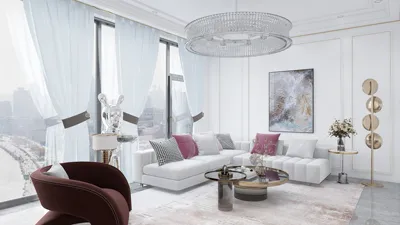


I've designed numerous cozy dining areas in apartments, balconies, bay windows, and tiny studio corners. By carefully selecting a small bistro table accompanied by two chairs, you can transform minimal space into a comforting zone for daily rituals—whether it's enjoying morning espresso, working on lunch with a laptop, or hosting intimate dinners—without hindering movement. Achieving harmony between human elements (such as knee space, reach, and posture) and aspects like light, sound, and color is crucial in crafting a functional space that people genuinely inhabit rather than just decorate.
Effective space planning should rely on research rather than presumptions. The WELL v2 standard advises achieving 300 to 500 lux on work surfaces for pleasant dining and tasks, while a warmer color temperature of 2700–3000K is supportive for evening relaxation—perfectly suited for a bistro setting. Insights from Steelcase's studies reveal that postural support and environmental control contribute to greater satisfaction and productivity—vital considerations as your dining nook may also function as a workspace. These researched parameters guide material and lighting decisions that enhance comfort in compact living, with additional insights available from WELL (v2.wellcertified.com) and Steelcase (steelcase.com/research).
Determining the Ideal Size for a Bistro Table for Comfort
Bistro tables typically range from 24 to 30 inches in diameter if round, or 24×24 to 30×30 inches for square options. In my designs, a round table measuring between 26 and 28 inches is ideal for two diners and a carafe, without causing elbow conflicts. It's essential to maintain 30 to 36 inches of space from the table's edge to surrounding walls or furniture to ensure comfortable movement. For knee comfort in narrower rooms, opt for pedestal bases rather than splayed four-legged options; a single column allows for easier leg movement and maximizes usable seating at the edge.
Ergonomics: Consideration of Chair Height, Posture, and Seat Design
Ensure that the height of chair seats corresponds with the table height for an easy elbow angle (approximately 90–100°). For tables standing at 28–30 inches high, target seat heights from 17 to 19 inches. Opt for chairs that feature slight lumbar support and possess a seat depth of at least 15 to 16 inches to avoid awkward perching; a subtly rounded front edge alleviates thigh pressure. If the dining nook also doubles as a workspace, consider chairs with firmer seat pans and stable back angles; these principles align well with ergonomic research from brands like Herman Miller and Steelcase. Selecting upholstery with a density of 35–45 kg/m³ foam ensures comfort without excessive sinking, which can compromise posture.
Round, Square, or Oval: Facilitating Flow and Interaction
Round tables provide flexibility in tight spaces—eliminating sharp corners and fostering a friendly atmosphere that encourages conversation. Square tables are perfect for tucking into corners or by windows, effectively utilizing minimal footprints. A 28×20-inch oval or elongated rectangle can serve as a practical choice when seeking the airy look of a round table and the space efficiency of wall-hugging furniture. When mapping out layouts or trying different configurations, utilizing a room layout tool like Homestyler can expedite the testing of circulation and chair maneuverability.
Choosing Materials: Durable, Quiet, and Eco-Friendly
In compact areas, textures and finishes are magnified. Opting for matte or honed finishes minimizes glare; I steer clear of ultra-high-gloss surfaces beneath pendant lighting due to reflective issues. For durability in rentals, consider high-pressure laminate on a plywood core; solid wood or veneered MDF with edge banding works well in owner-occupied spaces, while powder-coated steel bases provide stability. If noise is a concern, be cautious of hard connections: materials like stone meeting metal may create unwanted sounds; integrating felt pads and a soft placemat layer can significantly reduce noise. Eco-conscious choices like FSC-certified wood and low-VOC finishes align with sustainability trends and help improve indoor air quality.
Creating the Bistro Atmosphere: Managing Light and Ambiance
Aim for an ambient light level of 200 to 300 lux with an additional task layer of 300 to 400 lux on the table, perfect for dining and reviewing menus or emails. Maintain a color temperature of 2700 to 3000K during the evening to support relaxation, adhering to WELL standards for circadian rhythm comfort. Using shielded pendants or drum shades positioned 28 to 34 inches above the tabletop can help minimize glare and shadows. Incorporating a dimmer allows you to transition from bright brunch to soft dinner settings, enhancing the bistro’s function. Consider adding low-glare LED candles or warm lighting strips on shelves for subtle sparkle without harsh lighting.
Using Color Psychology in Small Dining Spaces
Color plays a significant role in influencing appetite and social dynamics. Warm neutrals and soft terracotta shades evoke warmth and hospitality, while muted greens offer a calming environment, as highlighted by Verywell Mind’s exploration of color psychology—green is often linked to balance and nature. In extremely compact areas, I prefer mid-tone wall colors with a Light Reflectance Value (LRV) between 40 and 60 to regulate brightness and limit glare from nearby surfaces. A contrasting placemat or table runner can distinguish dining areas without making the table appear smaller.
Enhancing Acoustic Comfort in Limited Spaces
In small rooms, sound can become amplified. Introduce a soft rug beneath the dining set (considering flatweave options for ease of chair movement), felt guides on chair legs, and fabric on at least one vertical surface (such as curtains or an upholstered banquette) to absorb mid to high-frequency sounds. In tiled or industrial lofts, even a 3×5 rug can dramatically enhance the acoustic experience. Opt for fabric or perforated metal pendant shades to mitigate ringing sound effects.
Smart Storage Options: Foldable, Stackable, and Compact
For micro-apartments, consider drop-leaf or gateleg tables that can be stowed away against a wall, taking up only 12 to 15 inches of space when not in use, while expanding to 28 to 30 inches for dining needs. Stackable or nesting chairs free up floor space once guests depart. I frequently recommend narrow consoles positioned behind sofas with pull-out leaves; when extended, they convert into a two-top bistro table without needing to reconfigure power or lighting.
Effective Layout Solutions for Tight Spaces
Three reliable configurations include: (1) Corner tuck—situating a square 28×28 table with two armless chairs and a centered pendant above; (2) Window ledge—using a 28-inch round table centered on a sill with one chair at a 90-degree angle and another floating; (3) Galley kitchen edge—placing a narrow 30×20 oval along the elongated wall with a bench on one side to save 6 to 8 inches of clearance. For quick sketching and iterations, employ an interior layout planner to test spacing and circulation using a layout low-VOC polyurethane or hardwax oil to maintain their finish. Coasters are essential to prevent heat marks. Level the base; many complaints of wobbling can be resolved with proper floor glides and a quick level check. For laminate surfaces, avoid harsh cleaners, and for stone tops, use pH-neutral cleaning products. Remember to tighten bolts and fasteners periodically, especially where a single bolt ensures the stability of pedestal bases.
Frequently Asked Questions
A 26 to 28 inch round or a 28×28 inch square table generally accommodates two place settings and a small shared dish while allowing for elbow room. Ensure there is 30 to 36 inches of clearance around the table for easy access.
Certainly. Pedestal bases provide more knee space, making it easier to move chairs in restricted areas, often creating a more spacious feel compared to traditional four-legged options.
A seat height of 17 to 18 inches works well with a 29-inch tabletop, creating a comfortable elbow angle of approximately 90 to 100°, conducive to relaxed dining and occasional laptop use.
Utilize a dimmable pendant light positioned 28 to 34 inches above the table, setting a warm atmosphere with a color temperature between 2700 and 3000K during the evening, while aiming for 300 to 400 lux of illumination on the dining surface for reading menus or working comfortably.
Durable high-pressure laminate tops with robust edge banding and powder-coated steel bases resist stains and damage. Consider adding felt pads under chairs to protect flooring and minimize noise.
Square and soft rectangular tables easily fit against walls or into corners. If a softer approach is desired, opting for a narrow oval shape provides wall efficiency while reducing sharp edges.
Absolutely. Focus on supportive seating, reliable lighting solutions, and adequate power access. Aim for 300 to 500 lux on the tabletop and consider a firmer seat cushion for sustained comfort during longer work sessions.
Incorporate a low-pile rug beneath the dining set, use felt chair glides, and consider fabric lampshades or nearby curtains. These softer surfaces help absorb noise and reduce echo effects.
Matte or honed finishes minimize glare from strong lighting. Avoid placing high-gloss surfaces directly under bright pendant lights, especially in smaller, sunlit rooms.
Select stackable chairs alongside a drop-leaf or gateleg table. Keep spare chairs close by for easy access and expand the setup only when necessary to maximize space efficiency.
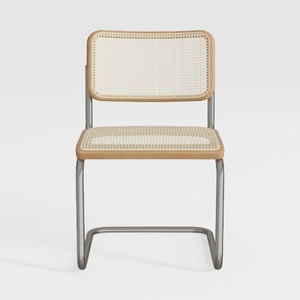
GIZNXBA Rattan Dining Chairs Upholstered Kitchen


Clihome Mid-Century Modern Accent Chair with Wood

Fabric Accent Chair, Upholstered Armchair with
Homestyler is your go-to platform for transforming home design ideas into reality. With its user-friendly online design tool, stunning 3D renderings, and a wealth of DIY video tutorials, you have everything you need to create beautiful spaces, no matter your skill level.
Diseño ahora GRATIS
































