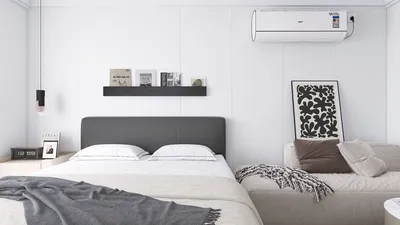


When designing birthday celebrations, I approach it similarly to crafting livable spaces: establishing a warm sensory environment is key, followed by layering in personal touches. A cozy gathering doesn’t necessitate extravagant displays; instead, it can be achieved through considerate lighting, various textures, and arrangements that foster easy interaction. From my experiences, the most impactful changes stem from lighting choices and spatial organization: softening intense lights, guiding movement through the space, and encouraging guests to linger comfortably.
Lighting is a crucial element in setting the ambiance. WELL v2 suggests aiming for 300–500 lux for general living activities; however, for intimate celebrations, I prefer to reduce this to approximately 150–200 lux. I incorporate warm light temperatures around 2700–3000K to promote relaxation among guests. This strategy aligns with recommendations from IES regarding visual comfort and balanced lighting for various tasks, where multiple light sources help minimize glare and contrast. Additionally, color psychology, as shared by Verywell Mind, guides us: warm colors like peach and terracotta create a friendly atmosphere, while softer shades like blue and sage help foster a relaxed vibe—ideal for unwinding evenings. For a deeper understanding of how light affects well-being, explore resources like WELL v2 (v2.wellcertified.com) and the IES standards (ies.org/standards).
Creating the Right Atmosphere with Layered Lighting
To start, dim overhead lights and utilize a three-tiered lighting approach: using ambient floor lamps adorned with fabric shades, accent candles (either real or LED) around focal points, and task lighting near the cake or drinks. Aim for fixtures with bulbs in the 2700–3000K range; ensure at least one of your light sources is dimmable. If your space has harsh overhead lights, try applying frosted lenses to them or switch off some circuits to eliminate harsh shadows. Position fairy lights at eye level instead of on the ceiling to enhance the social atmosphere.
Crafting a Cozy Color Palette
Select a duo of base colors accompanied by one accent color to prevent visual clutter. A personal favorite includes cocoa coupled with ivory, accented by a muted rose, or smoke blue combined with oatmeal and brass. Introduce textiles that reflect this color scheme—like throw blankets, lush cushions, and a soft area rug—to create an immersive experience without relying solely on paint. It's important to keep surface reflectiveness in check; excessive shiny surfaces can increase glare and detract from the desired intimacy.
Fostering Intimacy Over Extravagance
Arrange seating into a conversational circle of 1.2–1.8 meters. Position chairs at an angle rather than directly facing each other to ease social pressure and promote comfort. Establishing mini hubs for gifts, drinks, and quiet conversations is also beneficial. If you wish to visualize different seating arrangements, consider using an interior layout tool, like Homestyler, to test sightlines and clearances prior to rearranging your furniture.
Incorporating Meaningful Touchpoints
Replace generic decorations with items that hold personal significance: consider a photo garland made of linen ribbon, a mini projector sharing images from memorable trips, or a wall featuring record sleeves from a curated playlist. A standout piece can create a focal point—such as a low floral runner with seasonal branches or a trio of paper lanterns suspended over the table. Ensure that decorative elements are positioned below eye level when seated to maintain focus on faces.
Selecting Tactile Materials
To evoke cozy feelings, choose inviting materials. Opt for plush throws, boucle or chenille cushions, linen napkins, and wooden serving boards. Aim to mix textures in a 3:1 ratio—three soft or matte items for every smooth or reflective piece—to enhance visual warmth. Natural fibers are preferable for comfort and minimizing noise.
Engaging Senses: Scent, Sound, and Softness
Scents can trigger memories; choose a singular signature aroma like cedar, fig, or citrus to avoid overwhelming the senses. Maintain volume levels around 55–65 dB to ensure conversations can be easily heard above music. Use acoustic absorbers designed as textiles, such as plush rugs, thicker curtains, and upholstered seating. Choose rounded furniture and soft-edged trays to soothe visual tension and create a more inviting environment.
Creating a Table that Glows, Not Glares
Utilize candles in frosted holders or tea lights behind smoked glass to soften points of brightness. Select matte ceramics over shiny plates to mitigate hotspots. Keep floral arrangements low (under 20 cm) to maintain sightlines across the table. Adding a linen runner invites tactile warmth while also absorbing sound.
Spotlighting Sweet Treats: Cakes and Drinks
Present cakes on a dedicated surface illuminated by a narrow beam of light (15–25°) to create a gentle spotlight that doesn’t overpower the ambiance. Serve drinks on a tray, pre-mixed for convenience—this allows for a more communal experience. Consider hiding a small surprise, like a box of cherished photos under the dessert centerpiece, or a handwritten menu tucked into a napkin holder.
Micro-Lighting for Memorable Photos
For great portraits, set a diffused lamp or LED panel 45° from the camera axis at eye level, using a warm 3000K light. Bounce light off a nearby wall to diffuse shadows and avoid that harsh flash look, preserving the overall mood of the celebration.
Strategy for Small Spaces
In tighter settings, eliminate one side chair and opt for a floor cushion to create more flow. Stick to one color family to limit visual fragmentation. Position fairy lights around mirrors to enhance the perception of space. If you’re testing furniture layouts, a planning tool like Homestyler can assist in confirming clear pathways of 800–900 mm around essential areas.
Sustainable Approach and Minimizing Waste
Opt for reusable textiles instead of disposable décor, favor soy or beeswax candles, and utilize locally sourced flowers. Borrow vases and trays from your home to maintain a unified aesthetic and minimize waste. After the event, consider drying out branches or eucalyptus for future use.
Color Pairing Psychology for Different Themes
- Romantic calm: dusty rose + warm taupe + antique brass
- Playful modern: butter yellow + soft teal + walnut
- Earthy luxe: olive + clay + smoked glass
Each of these color combinations establishes specific expectations even before the festivities begin.
Quick Reference: Lighting Guidelines
- General: 150–200 lux, 2700–3000K
- Accent: candles or 200–300 lumens per fixture, positioned at or below eye level
- Task (for cake/drinks): 300–400 lux, focused beam, minimal glare
- Utilize dimmers to maintain control as the evening progresses
Final Touch Preparation
In the five minutes leading up to your partner’s arrival: prepare the playlist, light half the candles in advance, chill preferred glasses, and direct one lamp towards the entrance for a warm welcome. Having a throw blanket ready on the main seating enhances comfort before any initial conversation begins.
Frequently Asked Questions
Q1: Which color temperature promotes intimacy during evening festivities?
A1: A warm white ambiance at around 2700–3000K fosters a relaxed setting and complements skin tones. Maintain general lighting around 150–200 lux and utilize dimmers for adjustments.
Q2: What measures can I take to reduce glare from ceiling lights?
A2: Lower contrast by switching off alternate fixtures, adding diffusers or frosted trims, and incorporating floor or table lamps with fabric shades to enhance vertical illumination.
Q3: What arrangement encourages natural conversation without feeling forced?
A3: Aim for a triangular setup within a radius of 1.2–1.8 m, angling seating by about 5–15°, centered around a low table. Ensure clear paths of 800–900 mm around the group for easy movement.
Q4: Which scents pair well with cozy decor?
A4: Consider natural woodsy scents (like cedar and sandalwood) or gourmand aromas (such as vanilla and fig). Stick to one prominent fragrance to avoid overwhelming the atmosphere with multiple scents.
Q5: How can I effectively decorate a small room without creating clutter?
A5: Focus on one central decorative item (like a cluster of lanterns or a photo garland) and ensure decorations remain below eye level. Stick with a consistent color palette and utilize multifunctional items like throws and trays to maintain order.
Q6: What materials add an immediate sense of softness to the environment?
A6: Textiles such as boucle, chenille, washed linen, and wool-blend rugs are great choices. Maintain a texture mix of three soft items to one smooth to achieve inviting warmth and depth.
Q7: What volume level is ideal for background music during conversations?
A7: Aim for a sound level of 55–65 dB. If the ambiance becomes too lively, incorporate more textiles (like rugs or curtains) as sound absorbers to maintain a comfortable speaking volume.
Q8: How can I capture great birthday photos without compromising the atmosphere?
A8: Position a diffused light source at 3000K, 45° to the side, and consider bouncing light off a wall to soften shadows. Raise ambient lighting slightly during the cake presentation, and then lower it again to preserve the mood.
Q9: What is an effective low-waste approach to decorating?
A9: Use reusables like textiles, beeswax candles, and seasonal plants while borrowing vessels as needed to keep the decor cohesive. After the event, consider pressing or drying foliage for future use.
Q10: How can I creatively spotlight the birthday cake?
A10: Position a narrow-beam lamp (15–25°) slightly above and in front of the cake, or use a cluster of candles behind frosted glass to create a gentle glow without causing harsh glare.
Discover the ease of home design with Homestyler! This user-friendly platform offers an intuitive online design tool, stunning 3D rendering, and a wealth of inspiring design projects and DIY video tutorials. Bring your creative vision to life effortlessly!
Diseño ahora GRATIS
































