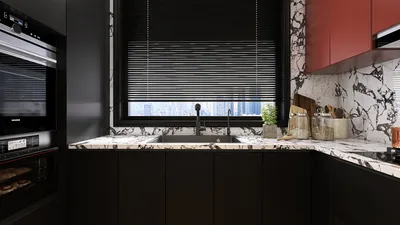


I create environments that not only look appealing but also function effectively, with scent being an integral aspect of this dynamic. Utilizing electric room fresheners like nebulizers, ultrasonic diffusers, and hybrid systems can enhance the perception of cleanliness, uplift mood, and subtly influence behavior when selected and positioned with the same meticulous care we apply to lighting or acoustics. In the office spaces I've designed, a consistent low-intensity fragrance has successfully minimized odor complaints while improving spatial perception. The crucial elements are control over dosage, timing, and airflow.
Standards for well-being highlight the necessity of good indoor air quality and user control. The WELL v2 framework (Air concept) stresses the importance of minimizing VOCs while facilitating personal comfort adjustments. The combination of low-VOC fragrance oils with timed diffusion aligns well with this principle. Additionally, lighting standards provided by the Illuminating Engineering Society recommend 300–500 lux for standard office tasks, guiding the installation of diffusers that remain visible yet unobtrusive, avoiding glare. Research from Steelcase indicates that sensory comfort—encompassing air, light, and sound—is vital for perceived productivity, and in my designs, subtle scent enhancement complements this comfort without drawing attention away.
Understanding Electric Room Fresheners
Electric fresheners can be categorized into three primary types. Nebulizers disperse pure fragrance oils without utilizing heat; they provide a robust scent presence, an immediate impact, and do not introduce water, although they can be overpowering if overused. Ultrasonic diffusers, on the other hand, blend water with essential oils to create a soft mist, offering a gentler experience while adding humidity and generally operating more quietly. Fan-based units, which utilize absorbent cartridges and airflow, are effective for consistent distribution in larger spaces and generally require less maintenance. My selection criteria revolve around coverage area (in square feet), noise levels (ideally under ~35 dB for areas requiring focus), programmable functionalities, and ongoing costs.
Design Goals: Mood, Hygiene, and Behavior
The sense of smell directly affects emotions and the perception of cleanliness. This concept parallels color psychology—much like cooler tones provoke calmness, citrus or green fragrances can evoke freshness and alertness, while warm wood or floral scents create a cozy atmosphere. Research from Verywell Mind illustrates how environmental factors influence mood, and I adopt a similar strategy with scent profiles tailored to the intended use of each space—energizing for morning entryways, soothing in wellness areas, and neutral in workplaces.
Air Quality and Safety First
Any fragrance strategy must prioritize respiratory health and cater to chemical sensitivities. I carefully select IFRA-compliant oils and strictly avoid phthalates. Mechanical ventilation also plays a crucial role: ensuring sufficient air changes per hour and verifying that filters (MERV 13 or higher in many settings) are in place helps prevent undesired odors. In enclosed spaces, I prefer lower-intensity devices with periodic dosing to prevent overwhelming scent saturation. Following WELL v2 guidelines on VOC management serves as my guiding principle when choosing formulas and quantities.
Coverage, Placement, and Flow
The placement of diffusers is equally significant as the scent itself. I analyze airflow paths from supply to return and position diffusers in upstream locations for even distribution. It's important to avoid placing them directly adjacent to workstations, dining areas, or sleeping spaces; instead, focus on corridors, reception areas, and transition zones. A general guideline for open-plan spaces is one unit per 300–500 square feet, adjusted based on ceiling height and HVAC airflow. Prior to finalizing placements, I simulate movement within the space to ensure devices remain out of glare lines and away from heat sources. Digital design tools such as Homestyler assist in visualizing coverage and preventing dead zones.
Ergonomics: Sound, Light, and Interaction
Human factors encompass more than just furniture comfort. A diffuser that emits clicking sounds or hums can disrupt focus, so I strive for sub-35 dB noise levels in concentration areas and place devices at least 1.5 meters away from seated positions. Indicator lights should be adjustable or shielded to minimize blue light disturbance during nighttime. The usability of controls is important as well: intuitive schedules, one-touch pause features, and easily accessible cartridges ease maintenance. In hospitality settings, I position controls out of guests' direct view but remain conveniently reachable for staff.
Programming Schedules and Dosage
A consistent approach is more effective than high intensity. I program diffusion intervals of 15–30 minutes with 30–60 minute rests during busy hours and employ a lighter profile when nighttime arrives. Morning entries (08:00–10:00) feature bright, fresh notes; midday transitions to a neutral profile, while late afternoon shifts to warmer and more subdued scents. This rhythm mirrors the concepts of circadian lighting without being overwhelming. For spaces with varying occupancy levels, I link schedules to booking systems or occupancy sensors to keep fragrance inactive when rooms are unoccupied.
Material and Sustainability Considerations
I focus on selecting reusable cartridges and recyclable packaging to minimize environmental impact by avoiding single-use plastics wherever feasible. My preference is for responsibly sourced essential oils or high-quality aromatic compounds that are tested for safety indoors. Routine cleaning with non-scented solutions helps prevent residue that may alter the fragrance's character over time. Additionally, considering longevity is essential; a device with replaceable components reduces waste and lowers overall ownership costs.
Acoustics and Multi-Sensory Balance
Scent should enhance the environment without overpowering it. In quieter spaces, any noise from fans is more noticeable, which leads me to favor passive or ultrasonic units. In more energetically social settings, moderate fan-based units are generally acceptable. I balance fragrance with ambient sound levels and visual aesthetics: strong scents can feel heavy in low-ceiling areas with dense textures, prompting me to lighten scent profiles in intimate designs.
Maintenance: The Hidden Performance Factor
Establishing an ongoing maintenance routine is essential. I implement monthly cartridge inspections, quarterly deep cleaning sessions, and annual evaluations of devices. Keeping a scent log to document fragrance types, dosing cadences, feedback, and preferences is invaluable. If feedback indicates mixed sentiments, I may shift to more neutral fragrances or lessen intensity. Proper staff training significantly diminishes accidental overuse, a frequent source of discomfort.
Residential vs. Workplace Use
Home environments typically embrace more character; workplace settings necessitate a neutral impact. In residential spaces, I assign distinct scents to different zones—fresh fragrances for entries, calming scents for bedrooms, and herbal or gourmet notes for kitchens, always maintaining a light touch. In offices, I prefer clean, universally appealing profiles such as light citrus-moss or soft linen. In meeting rooms, minimal fragrance coupled with excellent ventilation proves to be the most effective; for lounges, a subtly warmer profile can enhance feelings of hospitality.
Brands, Specs, and What to Look For
Instead of focusing on specific product names, I evaluate crucial specifications: area coverage; noise output; programmability; compatibility with oils (pure vs. water-based); safety certifications; and cartridge lifespan. Features such as occupancy synchronization, app connectivity, and lockable reservoirs can help prevent misuse. If a unit accommodates interchangeable nozzles for varying viscosities, it’s an added benefit for ensuring consistent atomization.
HVAC-integrated scenting provides uniform distribution but requires meticulous control. I avoid direct duct injection in sensitive spaces; standalone or approved plenum systems with accurate dosing are preferable. Collaborating with facility managers is vital to avert filter contamination and ensure maintenance intervals.
Evidence and Experience
WELL v2 underscores the importance of user control and air quality for enhancing occupant health. Integrating subtle scenting with modifiable diffusion techniques is in line with these objectives. Steelcase's findings on sensory comfort also corroborate my practical experience: when fragrance is understated, steady, and neutral, complaints diminish while perceived cleanliness increases. A simple guideline remains—if the scent is recognizable five minutes after entering a room, it's too strong.
FAQ
Maintain a scent profile that is barely perceptible. If individuals can identify the specific fragrance immediately, consider lowering the dosage or extending rest intervals.
Opt for light citrus, green, soft linen, or airy wood scents. Avoid heavy musks or overly sweet gourmand fragrances in shared environments.
Select EPA-compliant, low-VOC formulations and ensure proper ventilation. Establish scent-free zones and lower scent intensity if feedback suggests discomfort.
Position them near transition areas—entries, corridors, or lounges—away from desks and return vents while ensuring they are upstream in airflow patterns to facilitate even distribution.
Aim for noise levels below ~35 dB in focus areas. In social spaces, slightly elevated noise levels may be acceptable if they blend with ambient sounds.
Consider patterns of 10–15 minutes of diffusion, followed by 45–60 minutes of rest before meetings, pausing during sessions unless odor refresh is necessary.
Scent contributes to perceived cleanliness and comfort, correlating with satisfaction in workplace research. It should remain subtle to prevent distraction.
In most cases, additional humidity from diffusers is minimal. If humidity levels are already elevated, consider using a nebulizer or cartridge fan unit instead.
Administer interval dosing, uphold ventilation standards, carry out regular device maintenance, and alternate to neutral scent profiles as needed.
For larger settings, this is feasible—providing precise dosing and effective filter management. Standalone units grant greater control for smaller areas.
Implement monthly inspections of cartridges, quarterly deeper cleans, annual audits for devices, and maintain a scent log to collect feedback and issues.
Absolutely. Align the scent experience with the material palette and principles of color psychology—fresh for bright and minimal designs, warmer tones for hospitality settings.


Discover Homestyler, the ultimate online home design platform for effortless creativity. With its user-friendly design tool, stunning 3D renderings, and a wealth of DIY video tutorials, you can transform your space and visualize your dream interiors—all from the comfort of your home!
Diseño ahora GRATIS
































