

For over ten years, I have meticulously planned and evaluated student housing across various campuses, and one residence that distinctly merges design intent with the daily lives of students is Maharaja Agrasen Hall. This guide delves deeper than mere marketing jargon, prioritizing aspects such as spatial ratios, lighting, acoustics, and amenities, all while considering the subtle psychological effects that influence how residents study, relax, and interact with one another. Moreover, utilizing tools like Homestyler can greatly assist in visualizing and optimizing such spaces.
The quality of a student's living environment plays a crucial role in their academic performance and overall well-being. According to findings by Steelcase, enhanced environmental control is linked to increased focus and engagement. Their studies suggest that students thrive in spaces that offer a variety of postures and task settings. Similarly, WELL v2 emphasizes the significant effects of indoor air quality and lighting on cognitive abilities and sleep patterns, thus providing essential benchmarks for illumination and ventilation that all residences should strive to meet. I incorporate these standards while evaluating study areas, hallways, and communal lounges.
Often, task lighting in dormitories is an overlooked aspect. Following the IES guidelines, optimal desk lighting should range between 300–500 lux, minimizing glare and maintaining balanced contrast; ambient lighting can be dimmer but should avoid overly shadowed spots that put strain on the eyes. These luminary standards become especially critical during exam periods, when students rely on consistent lighting for late-night studies. Combining layered lighting solutions with ergonomic furniture promotes comfort and mitigates injury risks—principles that are strongly supported by Herman Miller’s research on seating and posture. For those interested in exploring the connections between lighting and wellness further, I recommend checking out the guidelines provided by WELL v2.
Overview of Maharaja Agrasen Hall's Spatial Design
The layout of Maharaja Agrasen Hall typically features rooms arranged along double-loaded corridors that strike a balance between privacy and access to shared facilities. This design functions best when the sequence of doors, alcoves, and sightlines remains consistent; students can navigate intuitively, fostering social interactions at convergence points such as stairways or kitchenettes. I advocate for corridors with occasional widened bays—small areas that allow for brief conversations without disrupting foot traffic. In cases where the layout appears linear, introducing splashes of color and acoustic panels can alleviate monotony and improve navigation without necessitating costly structural alterations.
Room Design: Arrangement, Ergonomics, and Personal Expression
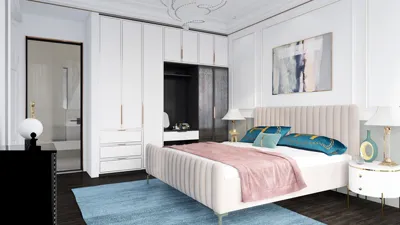
An effective student room accommodates three essential functions: focus, relaxation, and micro-social interaction. I generally position the desk perpendicular to the bed, delineating cognitive tasks from restorative spaces, ensuring that task lighting evenly illuminates the work surface. In terms of bed positioning, it's best to avoid direct sightlines to the entrance to minimize disruptions. When dealing with limited floor space, incorporating vertical storage solutions and sleek wardrobes made from breathable materials can help manage humidity levels. If you’re thinking about furniture arrangements, a room layout tool like Homestyler can help you visualize different configurations for optimal circulation and daylight access before shifting heavy items.
The Importance of Lighting and Color in Design
When it comes to lighting, layering is vital: ambient lighting (from ceilings or wall washes), task lighting (for desks), and accent lighting (such as warm lamps for relaxation) all play a unique role. Warm-white accent lighting (roughly 2700–3000K) promotes relaxation, while neutral-white task lighting (3500–4000K) is more effective for concentration. Additionally, color significantly influences mood; blues and muted greens foster calmness, whereas soft yellows invigorate social areas. Insights from Verywell Mind on color psychology highlight that shades of blue are often linked with stability and concentration, making them ideal for study nooks and tranquil communal rooms. I typically steer clear of vibrant reds in bedrooms, as they can elevate arousal and interfere with relaxation.
Navigating Acoustic Comfort and Noise Management
Sound is a vital aspect of life in dormitories—footfalls, door slams, and occasional music contribute to the atmosphere. I focus on incorporating soft surfaces strategically: rugs, cushioned seating in lounges, and acoustic pinboards in study areas all help minimize noise. Installing door sweeps and soft-close mechanisms can reduce corridor sounds. Additionally, low-cost white noise machines placed near entryways can effectively mask transient hallway noises. For those late-night study spots, selecting NRC 0.7+ panels on opposing surfaces can significantly lessen echo and maintain privacy in conversation, ensuring discussions remain discreet.
Utilizing Shared Amenities: Kitchens, Laundry Facilities, and Lounges
Community kitchens serve as social hubs within student housing. Featuring a central island encourages communal cooking, turning meal preparation into a shared event. Designing spaces with clear sightlines from the entrance to seating areas allows residents to gauge occupancy and comfort. Similarly, laundry rooms should include seating and bulletin boards for community messages; this encourages students to interact during their short waits. Lounges should provide diverse seating options: high tables for quick computing tasks, comfortable chairs for relaxed reading, or movable stools for versatility during movie nights. These configurations resonate with research indicating that variations in posture can enhance comfort and engagement.
Study Areas and Quiet Zones: A Design Perspective
Quiet rooms uphold their name through both intentional design and collective etiquette. I typically allocate seating for 1–2 students for every 10 residents, ensuring ample task lighting and conveniently located power supplies in tables. Avoiding long, reflective walls and adding bookshelves or fabric panels can effectively disrupt sound. Frosting glass partitions above eye level limits visual distractions without compromising natural light. Additionally, incorporating occupancy sensors that dim lighting after 10–15 minutes of inactivity helps save energy while not disrupting nighttime study periods.
Circulation, Safety, and Behavioral Flow in Design
Effective circulation transcends mere evacuation routes; it includes how individuals enter, pause, and make decisions. Clear signage, uniform color coding, and varying light levels—brighter areas near stairs and softer light in lounges—create guided pathways. Handrail finishes should retain a matte texture for a comfortable grip, while clearly contrasting stair nosings enhance safety in dim lighting. I also recommend small alcoves at corridor ends to eliminate frustration caused by dead ends, providing a secluded spot for quiet phone calls away from room doors.
Material Choices and Sustainability Considerations
Durable, easily maintainable surfaces are an excellent investment. High-traffic areas should feature semi-gloss paint and resilient flooring that emits low VOCs. In humid environments, breathable wardrobes and dehumidifiers are essential for protecting textiles. Whenever possible, opting for materials with third-party certifications improves indoor air quality and reduces off-gassing—key elements that contribute to better sleep and cognitive function, closely aligned with the guidelines set forth by WELL regarding air quality and material choices.
Enhancing Outdoor and Semi-Outdoor Spaces
Having courtyards, terraces, or shaded entrances can greatly enrich the communal experience within the hall. I recommend creating seating clusters instead of long benches: groups of 3–5 seats foster clear boundaries for social interactions. Introducing plants for shade and seasonal interest can help stabilize the microclimate and give character to otherwise uniform facades. It's important to use low-glare lighting outdoors, steering clear of uplights that shine directly into windows.
Navigating Roommate Relations and Zoning
In shared accommodations, establishing simple zoning rules can enhance harmony: clearly delineate personal boundaries and maintain a neutral passage for movement. Utilizing shelf dividers and soft curtains to demarcate individual spaces can be highly effective. For differing schedules, clip-on reading lights with focused beams and fabric screens around beds can help minimize disruptions.
Essentials for Move-In: Checklist and Helpful Hints
Be prepared with two light sources (both task and ambient), a compact surge-protected power strip, a small rug for acoustic and thermal comfort, and breathable storage bins. Install removable wall hooks to prevent clutter from backpacks and coats. Should you wish to rearrange the space slightly, an interior layout planner, like Homestyler, can help visualize the flow of movement and sightlines before making changes.
Maintenance Protocols and Community Conduct
It's important to maintain shared spaces: always clean countertops after use, promptly report flickering lights, and respect quiet hours. These simple practices help to uphold the original design intent of the hall. Facilities teams benefit from timely reporting, as proactive fixes (like adjusting door closers or installing felt pads) are less expensive than reactive repairs.
Frequently Asked Questions
Aim for a lighting level of 300–500 lux at work surfaces with minimal glare. Combine a neutral-white lamp (around 3500–4000K) with ambient lighting to achieve balanced contrast.
Use softer colors, such as desaturated blues and greens, to support concentration; avoid intense reds in study areas. These color choices reflect widely recognized patterns in psychology.
Install door sweeps, soft-close pads, and a small rug just inside the entrance. Consider placing a compact white noise machine by the door to mitigate random sounds from the hallway.
Position beds so they do not have a direct sightline to the door, keep desks at a right angle to beds, and invest in vertical storage to facilitate movement. Use a layout simulation tool like Homestyler to test options before moving furniture.
Invest in ergonomic chairs that allow for height adjustment and lumbar support; these features encourage fluidity and reduce strain, a concept echoed in workplace research on posture.
Opt for warm accent lighting (2700–3000K) for relaxation, while ensuring you have a task lamp for focused work. Avoid harsh overhead lighting after 10 PM to help prepare for sleep.
Select durable flooring, semi-gloss paint for high-traffic areas, and low-VOC finishes. Choose breathable storage solutions to manage humidity and odors effectively.
In lounges, employ a range of postures (like high tables, lounge chairs, and movable stools) to accommodate different activities. Ensure that lighting is layered and free from glare.
A good starting ratio is 1–2 seats for every 10 residents, incorporating effective task lighting and ensuring accessible power options. Additional acoustic treatments can help maintain a tranquil atmosphere.
Seating clusters, shaded areas, and low-glare lighting help to foster approachable environments for quick breaks, group discussions, or cozy evening gatherings.
Originally incubated at Autodesk, Homestyler has grown into one of the most widely adopted home design platforms in the world, now trusted by over 18 million users. Whether you're a homeowner exploring ideas or a professional designer delivering client-ready renders, Homestyler brings industry-leading 3D technology to your fingertips — no experience required.
If you're looking to transform your space, Homestyler is your go-to platform! With its user-friendly online design tool, stunning 3D renderings, and a wealth of DIY video tutorials, you can effortlessly bring your design visions to life. Explore new styles and unleash your creativity today!
Diseño ahora GRATIS
































