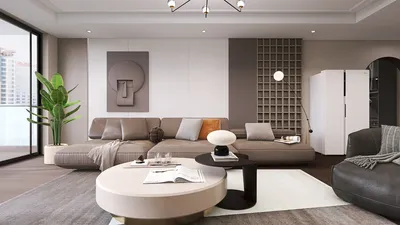
Neutral living rooms are a popular choice for creating serene and adaptable environments that can effortlessly transition with the seasons and complement various furnishings. When considering Dulux neutral paint shades, it’s essential to focus not just on the choice between beige and grey, but rather on aspects such as light behavior, space dynamics, and the practical realities of daily living. Research from WELL v2 emphasizes the significance of circadian-effective lighting coupled with glare management, demonstrating how color and light interact to enhance comfort and alertness. Additionally, studies by Steelcase reveal that visually calm spaces can lessen cognitive load, making neutral settings particularly advantageous for multifunctional living areas that blend relaxation with social engagement.
A neutral color palette offers a wide range of options rather than being limited to a single hue. This spectrum includes warm greiges, intricate off-whites, taupes reminiscent of driftwood, and delicate stone greys. Research from Herman Miller indicates that improved visual order and reduced clutter are associated with decreased stress levels, while colors that foster visual balance contribute to this effect. It’s advisable to combine a precisely chosen neutral backdrop with appropriate lighting—2700–3000K for evening settings and 3500–4000K during the day—and to steer clear of high-gloss finishes if the living room has expansive windows that could lead to glare. For detailed guidelines on layering light, the IES recommendations on task and ambient illumination for residential spaces should be consulted.
Warm vs. Cool Neutrals: Understanding Your Space
When choosing a Dulux neutral, it's crucial to assess the orientation of the room. North-facing living areas tend to thrive with warmer neutrals like oatmeal, linen, or greige, as the cooler daylight can make typical greys appear dull. Conversely, south-facing rooms that receive abundant sunlight can adopt cooler stone greys or misty taupes without feeling frigid. Pay attention to the flooring—if it's warm-toned (like oak or cherry), a cooler neutral can create balance; on the other hand, if your floor is made of ash or concrete, consider warming up the paint or textiles to avoid a sterile look. Always test samples in multiple locations—near windows, in corners, and behind major furniture—to appreciate the differences in lighting throughout the day.
Maximizing Light with Neutral Paints
The efficacy of a neutral color depends significantly on its lighting. For daylight, consider using lamps that provide a color temperature of 3500–4000K to ensure color accuracy while minimizing blue tones; in the evening, reduce to a softer 2700–3000K for a more soothing atmosphere. Monitoring luminance ratios is important: walls should be less bright than the windows yet brighter than the accent shadows to prevent eye strain. If a feature wall features a mid-tone neutral, complement it with high CRI (Color Rendering Index) lamps to avoid making wood grains and textiles appear lifeless. Look into IES guidelines for establishing ambient lighting (typically between 10–20 foot-candles for living areas) and task lighting near reading spaces.
Texture, Finish, and Material Combinations
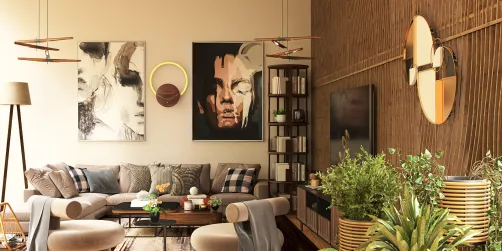
Textural elements enhance the depth of neutrals. Opt for matte or eggshell finishes on walls to soften shiny reflections. In spaces shared with children or pets, washable matte options can conceal scuffs while avoiding glaring surfaces. Combine soft neutrals with organic materials such as washed linen, bouclé fabric, pale oak, and honed limestone to create a rich tactile experience. Introduce one striking accent—such as charcoal metal or blackened bronze—to provide contrast and prevent the palette from becoming monotonous. When lighter shades adorn the walls, let texture serve as your secondary color.
Spatial Ratios and Visual Harmony
I prefer a 60/30/10 distribution for color and material: 60% for the primary wall hue, 30% for secondary colors (like rugs, curtains, and larger furniture), and 10% reserved for accents (artwork and metallic details). In smaller living rooms, lighter neutrals on the walls can enhance the sense of spaciousness; adding mid-tone trims can ground the design without disrupting the ceiling's height. Experiment with subtle contrasts on skirting boards and door frames—try a shade slightly darker than the walls to subtly define the architecture.
Shaping Your Layout with Neutrals
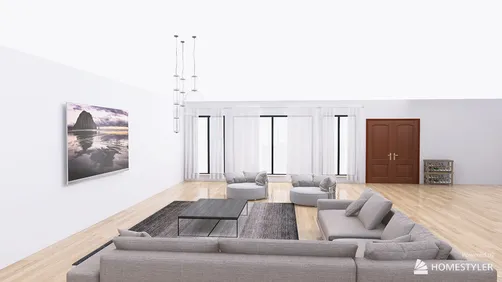
Neutral designs shine when the furniture layout facilitates movement and sight lines. If possible, position the sofa away from the wall, anchoring it with a rug that complements the wall's undertone, and arrange floor lamps to create cozy reading areas that help manage brightness levels at night. For experimenting with furniture positions or testing accent walls, utilizing a layout simulation tool can aid in visualizing flow with the selected palette. Additionally, consider trying a tool like Homestyler for a more detailed design experience.
Fresh Dulux-Neutral Concepts by Mood
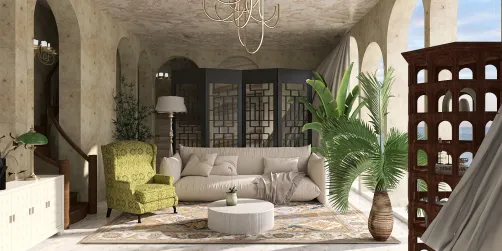
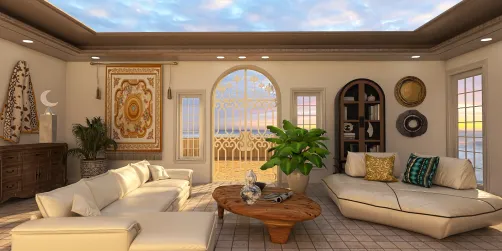
Start with a warm off-white that has a hint of grey to create a serene atmosphere. Incorporate pale oak shelves and a linen sofa for a cozy feel. Opt for sheer window treatments to amplify natural light, and select a matte finish for the ceiling to avoid glare.
Greige serves as a perfect bridge between warm and cool tones, making it ideal for mixed materials. Layer it with chalky ceramics and a textured wool rug while keeping black accents delicate (such as lamps or frames) to maintain a soft appearance.
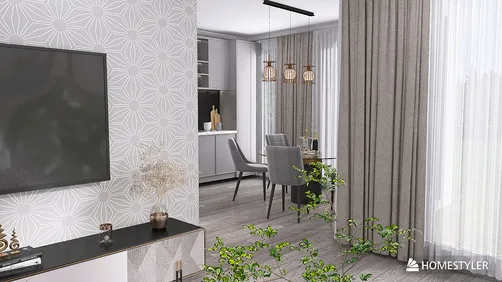
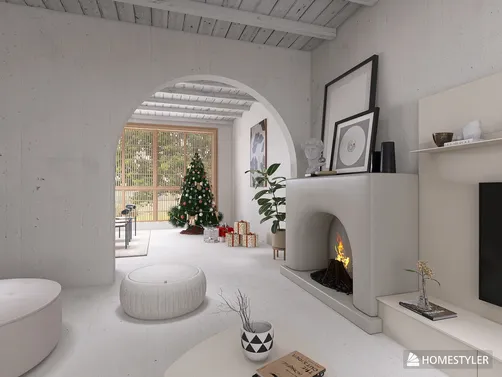
Implement a mid-tone grey on one wall to define the TV or fireplace area, contrasting it with soft whites elsewhere to prevent the space from feeling enclosed. Introduce elements of greenery and terracotta to uplift the color scheme.
An oatmeal neutral is accommodating for family life. Combine it with boucle armchairs, textured cushions, and light leather pieces. Ensure the trim is one shade darker to outline edges without stark contrasts.
Understanding Color Psychology in Neutral Spaces
Soft neutrals are excellent at minimizing visual distractions and promoting relaxation after a busy day. Studies on color psychology suggest that muted hues with low saturation foster calmness, while consistent undertones help reduce perceptual chaos. If fostering conversation and social engagement is your intention, consider integrating a slightly warmer base with subtle contrasts (like wood texture and woven fabrics) to uplift energy levels without overwhelming the space.
Acoustic and Comfort Aspects
Neutrals perform exceptionally well in acoustically considerate rooms. Incorporate heavy drapes or textured rugs to absorb sound echoes; porous materials such as wool and felt aid in reducing high-frequency reflections. A visually calming atmosphere that is also acoustically balanced enhances the soothing effect of neutral paint.
Strategies for Small Spaces
In smaller apartments, applying a light neutral throughout the walls and ceiling can help eliminate visual boundaries. Opt for a coffee table with rounded edges to facilitate easier movement, and limit vibrant artwork to one key piece. Avoid directly facing mirrors with windows; instead, angle them to reflect light onto side walls to reduce glare.
Sustainability and Quality of Finishes
Whenever possible, choose low-VOC interior paints, and pair them with sustainably sourced woods and natural fabrics. Neutrals allow for smarter purchasing decisions—prioritizing fewer but higher-quality textures can impart a more intentional and lasting design.
Testing, Exploring, and Making Decisions
Always apply sizable paint swatches and review them over two cycles of daylight. Take note of how the neutral interacts with the flooring, upholstery, and evening lighting conditions. A suitable neutral should appear harmonious during the day and relaxing at night.
Quick Pairing Tips
- Pair warm woods (like oak and walnut) with neutrals that have a slight hint of grey to avoid an orange tone.
- For cool floors (such as concrete or ash), introduce a beige or taupe undertone for extra warmth.
- In spaces with strong sunlight, consider using slightly cooler tones to avoid yellowness.
- For rooms lacking natural light, utilize warm off-whites along with layered lamps set to 2700–3000K.
FAQ
Q1: What is the best method for choosing between warm and cool Dulux neutrals?
A: Begin by evaluating the room’s orientation and the flooring. Rooms facing north or featuring warm flooring adapt well to greige or oatmeal neutrals; brightly sunlit south-facing rooms and cooler floors can accommodate stone greys or misty taupes.
Q2: What sheen is ideal for living room walls?
A: Matte or eggshell finishes are optimal as they diminish glare and conceal surface flaws. Satin is suitable for trims, providing a polished edge without highlighting dust.
Q3: How should I approach lighting in a neutral living room?
A: Implement layered lighting: ambient sources should produce 10–20 foot-candles; reading lamps near seating, and for daytime aim for 3500–4000K while ensuring evening sources are around 2700–3000K to keep the neutrals warm and inviting.
Q4: Will neutral colors cause my space to feel flat?
A: Not if you incorporate texture and manage contrast—elements like bouclé, linen, natural woods, and a singular dark accent can prevent a monotonous feel.
Q5: Is it possible to use a deeper neutral on one wall?
A: Yes, you can define areas (like the TV or fireplace) with mid-tone greys or taupes while balancing lighter shades on the surrounding walls to maintain an airy feel.
Q6: How do neutrals influence mood?
A: Low-saturation, consistent undertones minimize visual chaos and foster relaxation. Pair with warm evening lighting to encourage a winding down ambiance.
Q7: What should I consider if my living room is compact?
A: Use light neutrals for walls and the ceiling, keep trims close in tone, and steer clear of heavy color blocks. Opt for rounded furniture to promote easier circulation.
Q8: What is the most effective way to test Dulux colors?
A: Apply large swatches to observe them during both morning and evening light. Position samples near flooring and upholstery to catch potential undertone clashes before making a final decision.
Q9: Can vibrant art pieces coexist with neutral tones?
A: Certainly! A subdued background allows statement art to stand out. Maintain quieter accents to avoid conflicting focal points.
Q10: What are some sustainability practices to consider with neutral designs?
A: Opt for low-VOC paints and durable natural materials—such as wool rugs, solid wood, and linen—to enhance longevity and minimize waste.


Homestyler is an exceptional online home design platform that allows you to effortlessly visualize your decorating ideas. With its user-friendly design tool, stunning 3D renderings, extensive design projects, and helpful DIY video tutorials, you'll find everything you need to create your dream space!



















![Design [4]](https://hs-designs.homestyler.com/production/design/images/07c2de3a-88ec-4be8-8910-ff255b795bc2/1731419398293/7841697.jpg?x-oss-process=image/resize,w_502,m_mfit/format,webp)