The Maya Software Renderer stands out as a highly efficient tool employed by 3D artists and designers to produce captivating visuals. One fundamental aspect in optimizing this renderer lies in effectively configuring the background for your scenes. Whether you're engaged in character animations, architectural visualizations, or special effects, the background is critical for enhancing both the aesthetic appeal and storytelling elements of your project.
Creating Backgrounds with Maya Software Renderer
When crafting a captivating background in Maya, several factors demand attention, such as color, texture, and lighting. Here are some strategies to guide you:
The background color profoundly influences the scene's emotional tone. Reflect on the feeling you want to evoke in viewers. Utilizing tools like the Color Wheel can assist in selecting complementary or contrasting shades that enhance your main render subjects.
Incorporating textures enriches your backgrounds with depth and realism. Maya offers the flexibility to apply diverse textures to your background plane. You can opt for image files or procedural textures to generate unique patterns that harmonize with your overall scene.
Lighting serves as a crucial element in achieving a unified appearance across your render. Ensure the background's lighting aligns with that of your foreground elements. Implementing three-point lighting techniques can create a balanced illumination, spotlighting both the background and the primary subjects effectively.
Popular Background Techniques in Maya
Below are some prevalent methods for crafting backgrounds in Maya:
Employing flat images as backgrounds efficiently creates broad environments without overshadowing your scene. You can easily add a plane behind your main subjects, apply the image texture, and adjust its placement to suit your composition.
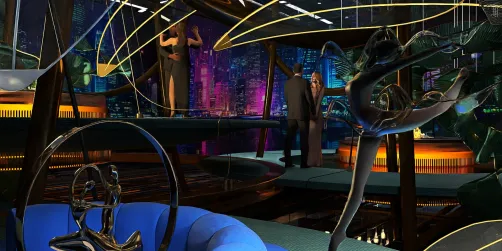
For a more immersive experience, you might consider modeling intricate environments. This could range from urban landscapes to natural sceneries. Leverage Maya's modeling capabilities to design and position your environment, ensuring it harmonizes seamlessly with the foreground elements.
Utilizing High Dynamic Range Imaging (HDRI) is another advanced method to enrich your backgrounds. By integrating HDR images, you can realize realistic lighting and reflections that add depth to your scene. Simply import the HDRI file into your environment settings for a more dynamic background experience.
Frequently Asked Questions
Q: What are the optimal techniques for rendering backgrounds in Maya? A: The finest approach involves a blend of 2D images, 3D models, and HDRI to achieve realistic and immersive backgrounds.
Q: How can I enhance the coherence between my background and foreground? A: Utilize consistent lighting, complementary colors, and depth of field effects to establish a unified visual appearance.
Discover the capabilities of Homestyler as your go-to home design software.