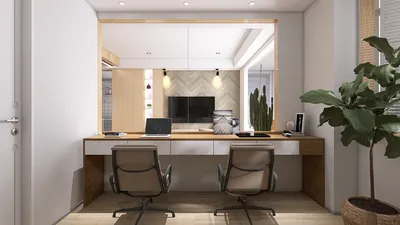


Experiencing a living room that isn't dominated by a large screen brings a unique tranquility. Throughout my ten years of designing spaces free from televisions, I’ve consistently observed that these areas encourage enhanced dialogue, more enriched textures, and a more serene aesthetic rhythm. This isn't merely an observation; studies like Gensler's Workplace Survey demonstrate that environments which nurture concentration, teamwork, and restoration directly enhance the quality of experiences. Living rooms that minimize the prominence of screens reflect these dynamics effectively in home settings. In addition, principles outlined in WELL v2 highlight the importance of visual comfort, sound quality, and natural light access as essential elements for well-being—all of which can be beautifully realized when your living space is centered around something other than a TV, such as the versatile design tools offered by Homestyler.
Just as important as the choice of furniture is the lighting strategy. The IES suggests that adequate ambient lighting in residences ranges from 100 to 300 lux, while task lighting, ideal for reading and hobbies, can elevate up to 300–500 lux. WELL v2 further emphasizes the significance of managing glare and implementing circadian-friendly lighting methods—such as utilizing warm light in the 2700–3000K spectrum for evenings. By removing the television, you open up avenues to effectively adjust luminance, color temperature, and glare management, creating a living room atmosphere that is deliberate from dawn through dusk, enhanced by the design capabilities of Homestyler.
Reimagining the Focal Point
When there’s no television in sight, the focal point of the room can become more architectural or emotionally resonant—think along the lines of a fireplace, a wall of windows, a striking bookshelf, or a large artwork. I prefer a balance of 60/30/10 among the primary, secondary, and tertiary features: one key element like a stone fireplace, a secondary feature such as a tall plant cluster or shelving, and a light accent like textile art or a vintage mirror. This diverse composition keeps the viewer's gaze engaged while preventing visual stagnation. Moreover, color psychology supports this design strategy by advocating for tranquil greens and blues, paired with a vibrant accent color such as rust or ultramarine to add dynamism without creating visual chaos.
Furniture Arranged for Conversation
Design the seating arrangement to foster face-to-face interaction rather than focusing on a screen. A classic arrangement involves a sofa accompanied by two lounge chairs, forming a U-shape around a circular or oval coffee table, which promotes both movement and intimacy. In smaller rooms, consider placing a singular sofa with a slender bench across from it; in larger spaces, two parallel sofas coupled with a cluster of sculptural side tables can replace a bulky coffee table. Utilizing a room layout tool allows you to visualize sight lines, circulation paths, and conversational distances—ideally maintaining 1.8 to 2.4 meters between seating for relaxed exchanges.
Layering Light as If on a Stage
Envision three layers of lighting: ambient (indirect ceiling illumination, wall sconces), task (swing-arm lamps beside reading chairs, accent lights for artwork), and accent (picture lights, LED coves). Aim for minimal glare with shaded fixtures and utilize dimming options to adjust the brightness from 100–300 lux for casual conditions to 300–500 lux for more focused activities. For evening ambiance, mix 2700K bulbs with 3000K lighting for clarity. If your living area features a wall of windows, consider sheer drapery to mitigate contrast ratios during the day.
Colors and Materials That Promote Calm
With the absence of a television, textural elements come to the forefront. Commence with a base of low-contrast colors—such as oyster, stone, or mushroom—and then layer in tactile materials like bouclé, wool, open-pore oak, limewash, and unglazed ceramics. Matte finishes are effective in managing glare and enhancing visual comfort. Introducing a statement piece—be it a large canvas, a sculptural lamp, or a bold-patterned rug—can prevent the room from feeling overly sterile. Research into color psychology indicates that greens (associated with tranquility and recovery) along with muted blues can mitigate mental exhaustion; I selectively incorporate warm reds or terracotta for small accent pieces to promote social connectivity.
Designing Functional Nooks
In a living room devoid of a TV, there’s ample opportunity to create spaces for hobbies and daily rituals. For instance, a reading nook can be designed with a comfortable high-back lounge chair, an adjustable task light, and a side table set to a convenient height of 50–55 cm. A dedicated music or vinyl corner can be created alongside soft textures from rugs and heavy drapery to minimize reflections. If games are a family favorite, consider integrating a pull-out ottoman with storage for board games and cards. A slim console behind the sofa offers a space for puzzles and sketching, ideally at a height of 600–750 mm for perching stools.
Sound Quality That Feels Luxe
When conversation is the centerpiece of the living experience, sound becomes paramount. Strive for a balanced acoustic environment by employing a plush rug, variously woven upholstered furniture, sound-absorbing drapes, and bookshelves that also serve as sound diffusers. In larger rooms with hard surfaces, consider using acoustic panels that blend seamlessly with the decor. Minimize HVAC noise to maintain clarity in conversations, resulting in a space that encourages prolonged and relaxed interactions.
Arranging Art, Books, and Displays Without Clutter
Utilize rhythm in your display: group elements in odd numbers, play with varying heights, and maintain a cohesive material palette for frames and shelves. Coupling open shelving with closed storage at the base helps conceal everyday items. A long, low console can function beautifully for art and lighting, ensuring its height aligns with the seat height of surrounding chairs for coherence.
Practicing Biophilia Thoughtfully
Selecting one or two substantial plants—such as a fiddle leaf fig, olive tree, or a trio of palms—often outshines having numerous small pots. Incorporate natural fiber elements (like jute and wool) and fluid shapes. Place plants strategically to accentuate corners or frame windows without competing with the primary focal points. Utilize planters that harmonize with the existing color scheme to maintain a cohesive look.
Selecting Your Primary Anchor: Fireplace, Window, or Library Wall
If a fireplace is present, treat it as the central anchor, scaling your mantle decor appropriately; oversized artwork or a mirror that covers two-thirds of the mantle is ideal. With a window wall, it's best to keep furnishings lower along this area to preserve an unobstructed view. For a library wall, varying shelf heights can create a dynamic skyline, and integrating warm LED strip lighting at 2700K behind the shelves enhances texture and visibility of titles.
Creating Flexible Spaces for Modern Living
Open-concept areas benefit from discreet zoning. A rug can clearly define a conversation zone; a slim console paired with a task lamp can distinctly mark a reading area or workspace; and a decorative screen can offer moments of privacy for stretching or meditation. Utilize an interior layout planner to validate furniture placements and clear pathways prior to finalizing your choices.
Optimizing Small Rooms: Scale and Storage Solutions
Opt for a slim-arm sofa and an airy lounge chair to retain visibility of the floor, minimizing the space's visual weight. Substitute a large coffee table with a duo of nesting tables. Construct a window bench that provides hidden storage and opt for oversized wall art rather than multiple smaller pieces to limit visual noise. Ensure mirrors reflect either light or greenery, steering clear of reflecting the most chaotic sections of your space.
Commitment to Sustainable Materials and Longevity
Select solid woods over veneers for their repairability, prefer natural fiber rugs over synthetic versions for improved acoustics and tactile appeal, and choose durable, performance fabrics like wool blends or stain-repellent cotton-linen for frequently used seating areas. Emphasizing low-VOC finishes and pursuing third-party certifications contributes to sustainability. With lasting materials, you can reduce replacement cycles and maintain the elegance of your room over time.
Real-World Layout Designs
• 1x 84–92 in. sofa + 2x lounge chairs with a seat height of 15–18 in.
• A round coffee table measuring 36–42 in.; height of 16–18 in.
• Maintain clearances of 30–36 in. for circulation.
• Layered lighting in the 2700K–3000K range with dimming options.
• Incorporate a bookshelf positioned behind one chair for diffusion and accessibility.
• A 72–80 in. sofa + a slender accent chair + a window bench.
• Oval nesting tables designed for functional adaptability.
• A floor lamp featuring a glare-controlling shade positioned at the reading nook.
• Wall-mounted shelves for a more open floor area.
• Two parallel sofas accompanied by a long runner rug.
• Use oversized artwork or textile panels as a focal element.
• Illuminate artwork at 2700K; employ low-sheen wall paint to minimize reflections.
Design Insights from Evidence-Based Research
Two main threads influence my design philosophy. First, insights from workplace giants like Gensler show a clear link between quality of experience and spaces designed for collaboration, concentration, and recovery—an idea that can seamlessly translate to a living room that prioritizes meaningful conversation, reading, and music. Second, the WELL v2 standards reinforce that lighting quality, acoustic comfort, and material health are foundational to well-being. By eliminating the television, these priorities come to the forefront, allowing the room to serve its inhabitants more effectively and efficiently with innovative solutions like Homestyler.
Frequently Asked Questions
Q1: How bright should a living room be for reading and social interaction without a TV?
A: Ambient lighting should be maintained around 100–300 lux for comfort, increasing to 300–500 lux in reading areas using task lamps. Warm 2700–3000K LEDs with dimming options offer adjustable comfort for evening activities.
Q2: What is the ideal seating distance for effective conversations?
A: Aim for a distance of 1.8–2.4 m (6–8 ft) between opposing chairs, ensuring 30–36 in. (75–90 cm) of clearance around tables and between furniture for smooth movement.
Q3: Which color schemes work best in a TV-free living room?
A: Soft, desaturated greens and blues create a calm setting; add warmth with terracotta or rust hues. Use high-saturation colors sparingly to prevent visual fatigue.
Q4: How can I control glare during the day without using blackout curtains?
A: Incorporate sheer drapery for light diffusion, strategically position mirrors to avoid direct sunlight in seating areas, and opt for matte or eggshell wall finishes to reduce glare.
Q5: What materials are best for enhancing acoustic comfort?
A: Dense natural fiber rugs, well-upholstered seating with diverse textures, lined window treatments, and bookshelves that function as acoustic diffusers work well. In spaces that echo, add acoustically-treated panels disguised as artwork.
Q6: What layout advice do you have for open-plan living rooms without a TV?
A: Start by anchoring your conversation area with a rug, consider a console behind the sofa for boundary definition, and use a layout simulation tool to visualize the space before purchasing furniture.
Q7: How can I display art without cluttering the room?
A: Opt for a singular large piece of art or a carefully curated grid. Choose frames that share a consistent material style and limit shelf decor to intentional groupings with empty space for balance.
Q8: What alternatives are available to a traditional coffee table?
A: Use paired nesting tables or a large ottoman with a tray, allowing for versatility in functions like games, additional seating, or footrests while facilitating movement in smaller spaces.
Q9: How can I keep the space adjustable for various hobbies?
A: Consider placing a console behind the sofa for activities like puzzles or sketching, incorporate portable stools, and store hobby supplies in lidded baskets within a low cabinet or bench.
Q10: What are effective ways to bring in plants without overwhelming the room?
A: Opt for one or two statement plants to highlight certain areas or frame a window. Ensure the planters fit within the established color scheme for uniformity.
Q11: What is the best rug size for fostering conversation zones?
A: Ideally, the front legs of all seating should rest on the rug; in larger spaces, aim for wall-to-wall coverage with a slight margin of 20–30 cm to create a cohesive feel.
Q12: Any sustainable choices you recommend?
A: Prioritize solid woods, natural fiber rugs, and low-VOC finishes. Opt for durable pieces with timeless designs to minimize the need for frequent replacements.
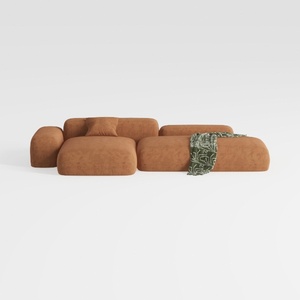
Minimalist Brown Fabric Modular Sectional Sofa 3D Model
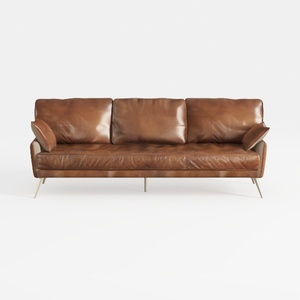
Modern Vintage Leather 3 Seater Sofa With Metal Legs 3D Model
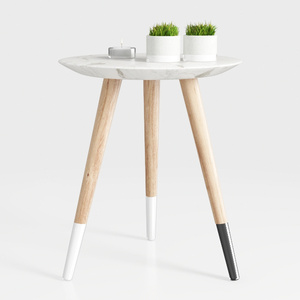
Modern Marble Top Solid Wood Legs Side End Table 3D Model
Homestyler is your go-to online home design platform, perfect for all skill levels. Effortlessly create stunning interiors with its user-friendly design tool, explore numerous 3D renderings, and learn through engaging DIY tutorials. Transform your home design dreams into reality with Homestyler!
Diseño ahora GRATIS
































