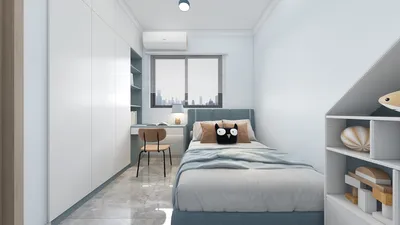


I've crafted numerous small bedroom designs where a compact bedside table takes on significant roles: storing nightly essentials, managing cords, and maintaining an elegant appearance. The most effective small nightstands achieve a balance between storage capacity, comfort of access, and an airy aesthetic. Research from Steelcase indicates that clutter can detract from focus and well-being by heightening cognitive load, a principle that applies directly to bedrooms where a clean surface fosters a peaceful winding down routine. When complemented with lighting that aligns with WELL v2 standards—warmer light in the evening and reduced glare—you end up with a nightstand that serves as a miniature command center rather than just a miscellaneous catchall. Consider utilizing Homestyler to visualize these elements in harmony.
The scale is crucial. Gensler's workplace studies reveal that tidy and intentional organization enhances feelings of control and satisfaction—principles that equally benefit bedroom environments. For lighting, the Illuminating Engineering Society recommends achieving task lighting between 150 and 300 lux for reading; combined with 2700–3000K warm LEDs, this can significantly lower eye strain while safeguarding circadian rhythms. When I choose compact tables that integrate or pair with sconce lighting, I minimize surface glare through the use of matte finishes and diffusers. In scenarios where bed walls are confined or asymmetrical, creating a quick digital model using a room layout tool such as Homestyler can help clarify dimensions, space clearance, and cable pathways prior to purchase.
Set Proper Proportions
For an optimal small bedside table design, aim for a height that is level with or 1-2 inches below the top of your mattress. This alignment helps alleviate wrist strain and shoulder elevation when reaching for items like a glass of water or a phone—fundamental ergonomic considerations that prevent mishaps in low-light environments. A width of 12-18 inches fits well in most compact spaces, while a depth between 12-16 inches ensures unobstructed movement while still being able to accommodate a lamp base and a book. It is prudent to limit the total footprint to allow for at least 24-30 inches of space at the foot of the bed and along the side, ensuring smooth navigation during the night and ease in changing sheets.
Storage That is Efficient and Light in Appearance
A petite table is not required to appear cumbersome. Lighten the visual weight by incorporating open shelving or slim legs, while designating just one drawer for private belongings. I find a two-tier strategy effective: a soft-close drawer for chargers, medications, and bedtime items; a bottom shelf for a box or basket that keeps magazines or remotes organized. For particularly small rooms, wall-mounted nightstands can create the illusion of more space by revealing more visible flooring—our perception interprets this as an expanded area. Adding felt or cork linings can help dampen noise when accessing drawers at night.
Managing Cords and Power Access
Few things contribute to clutter as much as power bricks and cords. Opt for tables with rear cutouts, grommets, or a secret power tray. If pairing with a sconce, direct the cord along the edge of the bed’s headboard using adhesive clips, then allow it to drop behind the table. Ensure that outlets remain within 12 inches of the tabletop to keep USB and reading light cords from drooping across the floor. A fabric-wrapped power strip inside the drawer, complemented by a pass-through slot, keeps surfaces clean and minimizes nighttime visual distractions.
Lighting for Reading, Wind Down, and Sleep
Layered lighting provides control. I like to combine a low-glare bedside sconce (fully adjustable and casting 150-300 lux) with a subtle nightlight located beneath the table for safe navigation—especially useful in family or guest rooms. Favor lamps in the 2700-3000K range for evening use, while reserving 3500K+ light for morning activities. Diffusers, shades, or backlit sconces help to soften harsh contrasts on glossy surfaces. If your table surface is reflective, opting for a matte lacquer or oiled wood finish will mitigate specular highlights.
Color Psychology Next to the Bed
Cool, desaturated colors such as soft sage, slate blue, or mushroom can help create a tranquil atmosphere, while vibrant hues can energize a space. A small table is an ideal canvas for color accents, but I prefer keeping saturation moderate close to the pillow line. When you're looking for a mood lift, consider adding color through shelf contents (like book spines or decorative dishes) rather than across the wide vertical face of a drawer. The goal should be to create visual rhythm, avoiding overwhelming visual noise.
Materials: Durable, Quiet, and Eco-Friendly
I opt for resilient materials that will age gracefully: solid oak, ash, walnut veneer with protected edges, or powder-coated metal with a gentle curve. For a soft-close experience without noise, high-quality slides and concealed hinges are essential. If allergies are a concern, prioritize low-VOC finishes and solid woods over composites. Placing felt or cork pads on top can prevent glass from clinking and reduce sound in smaller rooms.
Compact Design with Big Function: Layout Strategies
In narrow bedrooms, shifting the bed a few inches can allow for a 14-16 inch table on one side and a slimmer ledge or wall shelf on the opposite—balancing visual mass with complementary finishes instead of identical items. Where doors swing close to the bed, verifying clearances and the drawer's travel with a Homestyler room planner can help prevent nightly mishaps. In family homes, a rounded front edge can help avoid bumps and snags on bedding.
Sound Management and Quietness at Night
Compact bedrooms can amplify sounds. Use soft materials—such as textile drawer liners, leather pulls, and felt feet—to mitigate impact noise. If you share a wall, mounting a nightstand with resilient anchors and a felt backer can help lessen minor vibrations and keep nocturnal drawer movements discreet.
Designing with Daily Use in Mind
I always start with the user's routine: Do you read in bed? Need water, medication, or a CPAP? Place frequently used items within the top third of the storage volume, ensuring they are easily accessible (8-12 inches from the bed’s edge). Reserve lower shelves for items of lesser frequency and rotate them as needed. A small valet tray atop the table can help contain minor clutter from spreading.
Trends for 2024-2025: Compact, Integrated, and Inviting
Recent trend analyses show a preference for integrated charging options, rounded shapes, and a mix of materials—like wood combined with matte metal or boucle-wrapped drawer fronts. Warm finishes along with tactile hardware coexist with subtle technology: Qi chargers tucked beneath leather inlays, motion-sensor night lights, and hidden cable management systems result in a serene and artisanal look rather than a cluttered technology-heavy space.
- Height: aligned with or 1-2 inches beneath mattress top
- Width: 12-18 inches (appropriate for room scale)
- Depth: 12-16 inches
- Clearance: maintain a 24-30 inch walkway
Space Planning Consideration
Before making a decision, digitally verify the dimensions and swing arcs using a room design tool. Simulate factors such as lamp diameter, drawer extension, and the opening of doors. A brief period of planning can save you from years of inconvenience.
References for Standards and Behavior
Consult WELL v2 for sleep-supporting lighting strategies and IES standards for task lighting; Gensler’s research is a valuable resource for spatial behavior and satisfaction insights. Such references can substantiate your design decisions while balancing efficient use of space with high functionality.
FAQ
Q1: What’s the optimal height for a small bedside table?
A: Aim for a height equal to or up to 2 inches below your mattress top. This will reduce wrist strain and awkward reaching while using the items at night.
Q2: What amount of lighting is necessary for bedtime reading?
A: Target illumination between 150-300 lux at the page with a shaded lamp or adjustable sconce using warm light (2700-3000K) to preserve evening melatonin cues, following IES task lighting guidelines.
Q3: Can a compact nightstand still provide practical storage?
A: Absolutely. Incorporate a soft-close drawer for personal items along with an open shelf for a lidded box or basket. Wall-mounted solutions can free up floor space while enhancing the illusion of visual lightness.
Q4: How can I tidy up charging clutter?
A: Look for tables equipped with rear grommets and keep a low-profile power strip inside the drawer. Use a pass-through cutout for cords and select short braided cables to reduce tangles.
Q5: Which materials are most durable for small bedrooms?
A: Solid hardwoods or veneered options with protected edges, along with powder-coated metal and low-VOC finishes, are excellent choices. Incorporate felt liners and soft bumpers to reduce nighttime noise.
Q6: I only have room for a table on one side of the bed—what should I do?
A: Use a 14-16 inch table on the accessible side and a narrow wall shelf or ledge on the opposite. Balance the visuals with matching finishes and a paired sconce to achieve light symmetry, even if the mass differs.
Q7: How can I keep the top of the nightstand organized?
A: Introduce a small valet tray for glasses and a designated dish for jewelry. Limit decorative items to one vertical (like a lamp or sconce) and one low-profile piece (like a book or small vase) to maintain visual harmony.
Q8: What edge profile is safest for compact spaces?
A: A soft radius or bullnose on the front edge prevents injuries in tight areas and reduces snags on bed linens—particularly beneficial in children’s rooms and guest spaces.
Q9: How do color choices near the bedside affect sleep?
A: Cooler tones with lower saturation create a calming ambiance. Limit vibrant colors to small accents like dishware or book spines rather than the drawer face to ensure minimal visual overstimulation at eye level.
Q10: What are some effective strategies for quieter nightstands?
A: Use felt feet, cork or felt drawer liners, along with high-quality soft-close hardware. If mounted to the wall, add a thin felt backer to reduce vibrations transmitting through shared walls.
Q11: How can I accurately test fit before making a purchase?
A: Utilize an interior layout planner to visualize dimensions, the extent of drawer openings, lamp reach, and door swings. Ensure you retain 24-30 inches of unobstructed walkway space.
Q12: Are integrated chargers worth considering?
A: Integrated chargers are beneficial when hidden and used alongside surge protection. Opt for models with replaceable components for longevity as charging standards evolve over time.

Homestyler is your go-to online platform for effortless home design! With an easy-to-use design tool, stunning 3D renderings, and a wealth of inspiring design projects and DIY video tutorials, it empowers you to create your dream space—whether you're a novice or an experienced designer!
Diseño ahora GRATIS
































