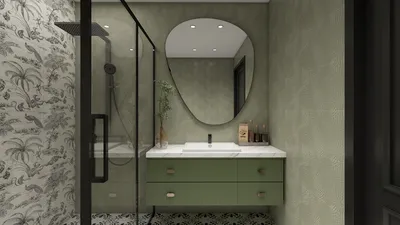


When it comes to maintaining a small home or studio, efficiency is key: utilizing appropriately sized cleaning tools, ensuring effective storage, and selecting cleaning supplies that don’t take up too much space. I’ve thoroughly assessed various compact mops suitable for micro-apartments and narrow galley kitchens, emphasizing aspects such as footprint size, ease of movement, moisture absorption, and drying time. In smaller areas, fast drying is crucial—guidelines like those from WELL v2 highlight the importance of moisture control, linking it to indoor air quality and mold concerns, which makes quick-drying microfiber pads an essential option. Research from Steelcase indicates that clutter diminishes feelings of control and comfort; thus, streamlined wall-mounted storage solutions can significantly enhance space efficiency at home.
Lighting and ergonomics significantly influence the effectiveness of cleaning tasks. According to the Illuminating Engineering Society, approximately 300–500 lux is ideal for task zones; I typically aim for around 400 lux when mopping to ensure any streaks or residues are visible without glare. In terms of ergonomics, the height of the mop handle should ideally match wrist level when shoulders are relaxed—usually between 36 to 50 inches based on user height—to help minimize fatigue. The posture and musculoskeletal guidance from WELL v2 further supports the use of adjustable or telescoping handles for optimal alignment in compact spaces.
Top Compact Mop Recommendations
Here are my go-to compact mops for small kitchens, bathrooms, and entrances. While brand specifics may differ by region, the performance standards remain the same: low-profile heads, quick-drying microfiber, sealed water tanks for spray systems, and storage-friendly hangable handles. I also prefer pads that encompass edges for safeguarding baseboards and cabinetry.
Ideal for: Studio floors, narrow passages, and reaching under cabinets. A flat mop head can slide right underneath toe-kicks and radiators, while the microfiber material effectively absorbs fine dust without requiring excessive pressure. Aim for a pad width of about 12–15 inches to achieve a balance between coverage and control; a swivel joint allowing 180° to 360° movement is also beneficial for maneuvering in tight corners. Ensure that pads can be laundered at low temperatures and air-dried quickly, as microfiber’s capillary action helps reduce remaining moisture, consistent with WELL v2 moisture management recommendations.
Best for: Quick everyday cleaning. A sealed reservoir minimizes drips and maintains a clean storage area. Look for a trigger that dispenses 0.8–1.2 ml per spray to prevent oversaturation; in small spaces, less moisture accelerates drying times. Opt for pH-neutral cleaning solutions suitable for LVT, laminate, or sealed wood floors. Microfiber pads equipped with a scrubbing strip tackle stubborn grime while minimizing friction.
Best for: Thorough cleaning on tile and textured surfaces. A vertically oriented, compact bucket (under 10 inches wide) fits neatly beside washing machines or in linen closets. The spin-dry mechanism assures consistent wringing to prevent puddling. Choose mops with round heads featuring edge fringes, allowing for safe navigation around pedestal sinks and toilet bases.
Best for: Accelerating cleaning processes. A dedicated dry cleaning pad captures hair and dust, followed by a slightly damp pad, which streamlines routine cleaning and prevents mudding. This technique aligns with IES lighting guidelines, as spotting dust is easier with 400–500 lux, enabling a single pass before using the damp pad.
Selecting the Right Mop for Small Spaces
- Head Profile and Width: Opt for widths around 12–15 inches to easily maneuver through tight doorways and around furniture legs without oversteering. Low-profile heads can slide under toe kicks and furniture adequately.
- Handle Adjustability and Grip: Adjustable handles aid in maintaining a wrist-friendly height; foam or textured grips enhance control when hands are wet. It's best to avoid excessively heavy poles that could induce wrist strain.
- Pad Material: Microfiber continues to be the most effective material for moisture management and capturing particles. For natural fiber floors like sealed wood, opt for finer weaves to minimize abrasion risks.
- Wringing and Moisture Management: Spray mops or spin wringers help prevent oversaturation—particularly important in small apartments with limited airflow. Efficient drying reduces slip hazards and ensures good indoor air quality, as emphasized by WELL v2.
- Storage and Mounting: Utilize wall hooks, compact buckets, and collapsible handles to minimize clutter. Keeping mop heads and pads elevated off floors will help prevent moisture accumulation.
Strategies for Cleaning in Compact Environments
Small residences benefit greatly from employing a zoning approach: entryway, kitchen, bathroom, living room. I prefer a clockwise or back-to-front cleaning path to prevent recontamination. For mapping out tight spaces or assessing circulation between furniture, a layout tool can be invaluable in illustrating where a mop can move freely and identifying obstacles that may restrict motion.
room layout tool
Ergonomics and User Considerations
- Handle Height: Strive for a neutral wrist position with a slight bend in the elbow. Adjustable handles in the 36–50 inch range accommodate various users while keeping shoulders relaxed.
- Cleaning Movements: Employing figure-eight motions with flat mops is effective for narrow spaces and maintains directional control.
- Weight Management: Keep mop solutions light. Spray mops help reduce the burden of carrying a bucket, which is advantageous for those with limited storage or two-story apartments.
Material Choices and Floor Compatibility
- Tile and Stone: Opt for slightly textured microfiber and neutral pH cleaners, and avoid acidic products on surfaces like marble or limestone.
- LVT and Laminate: Minimize water use during cleaning; excess moisture can seep into seams. Microfiber pads that dispense spray are a practical choice.
- Sealed Wood: Use damp (not wet) microfiber pads. Fine-weave materials will help avoid swirl marks, and prompt drying after mopping—ventilating by opening windows or using fans—will ensure surfaces remain dry.
Lighting, Color, and Behavior Influence
Effective task lighting set at 400–500 lux can reveal residues during cleaning; to avoid glare, angle your light fixtures instead of relying solely on direct overhead lights. The psychology of color can also influence behavior—using cooler neutral tones in cleaning areas can create a fresher feeling, which may encourage more consistent upkeep, while vibrant colors can become visually distracting in compact interiors. I prefer to store cleaning supplies behind doors or inside narrow cabinets to minimize visual clutter and maintain tranquil daily routines.
Sound and Storage Solutions
Compact environments tend to amplify noise. Therefore, choose mops that have quiet operation features, including soft backing on pads and rubberized buckets to avoid excessive noise on tile surfaces. Wall-mounted rails equipped with silicone dampers can help eliminate rattling sounds. Additionally, ensuring proper ventilation in storage areas prevents moisture accumulation and odors.
Sustainability Considerations
Microfiber pads can withstand multiple washes, and it’s advisable to launder them on a cool setting to prolong their lifespan. Refillable water reservoirs help reduce single-use product waste. Whenever possible, opt for repairable components—like detachable heads, replaceable pads, and recyclable handles—to maintain a streamlined and sustainable cleaning kit.
Cleaning Routine Framework
- Daily: Spot clean high-traffic areas; dry dust in entryways and kitchens.
- Weekly: Damp mop all areas using a neutral cleaner; utilize spin-wring on textured tiles.
- Monthly: Detail around appliances and baseboards; wash pads and check grips for wear.
Frequently Asked Questions
Q1: Which mop head shape is most effective in tight bathrooms?
A: Low-profile rectangular heads work well under cabinets and along baseboards; compact round spinner heads excel in maneuvering around pedestal sinks and toilet bases.
Q2: How much illumination is necessary to avoid streaking?
A: Aim for lighting levels between 400–500 lux in cleaning zones, as per IES recommendations for household cleaning tasks; this illuminates residues without causing glare.
Q3: Are spray mops safe for laminate and LVT flooring?
A: Absolutely, given that you utilize a metered spray approach and neutral-pH cleaning solutions. Ensuring you don’t over-saturate is vital to preserve seams and adhesives.
Q4: What handle length helps reduce fatigue effectively?
A: An adjustable length within 36–50 inches accommodates most users, allowing for a neutral wrist angle and slight elbow bend to decrease shoulder strain.
Q5: How can I store a mop in a studio without a closet?
A: Consider using wall-mounted rails or hooks behind doors; keeping pads elevated from the ground enhances airflow for drying—this practice helps prevent odors as recommended by WELL v2.
Q6: Is microfiber the optimal pad material for confined spaces?
A: Generally, yes! It’s recognized for its superior absorption capabilities and dust trapping efficiency, along with fast drying—critical where ventilation is limited.
Q7: How can I minimize noise from cleaning tools?
A: Opt for buckets with rubberized materials, quiet spray triggers, and soft-backed pads. Wall rails fitted with silicone dampers can help reduce rattling sounds on tile floors.
Q8: What is the recommended mop width for small areas?
A: Aim for a width of 12–15 inches, as it provides a good balance of coverage without sacrificing maneuverability in tight spaces.
Q9: Do dual-pad systems genuinely improve efficiency?
A: Yes, starting with a dry pad to collect hair and dust speeds up the damp mopping process, preventing debris from turning into a muddy mess.
Q10: How frequently should I wash mop pads?
A: After every deep clean and at least weekly for maintenance purposes. Opt for a cool wash, avoid fabric softeners, and air-dry to best preserve fiber integrity.
Built on technology originally developed at Autodesk, Homestyler empowers anyone to design beautiful, realistic spaces in minutes. Join over 18 million users who have already discovered a smarter way to plan, visualize, and bring their dream homes to life — all from the comfort of a browser.
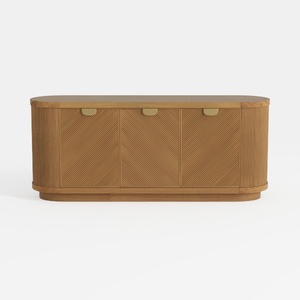
Modern Minimalist Solid Wood Fluted Sideboard with Brass Accents 3D Model
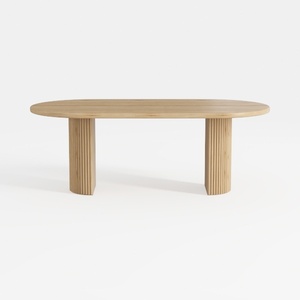

Minimalist Solid Wood Fluted Oval Dining Table 3D Model
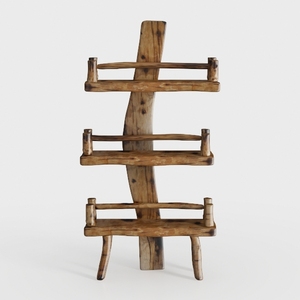
Rustic Solid Wood Free Standing Wall Shelf Decorative Display 3D Model
Homestyler is your go-to online platform for home design! Featuring an intuitive design tool, stunning 3D renderings, and a wealth of inspiring design projects and DIY video tutorials, it empowers you to transform your space effortlessly, whether you're a novice or an experienced designer.
Diseño ahora GRATIS
































