

Conclusion
Scandinavian and Mid-Century Modern represent two influential yet distinct aesthetics. Scandinavian design values simplicity, natural light, and functional minimalism, while Mid-Century Modern highlights timeless lines, organic forms, and a comfortable warmth. The dilemma often lies in prioritizing stark minimalism against classic, inviting elements—the choice comes down to how you want your environment to balance function with personality.
Style A Deep Dive
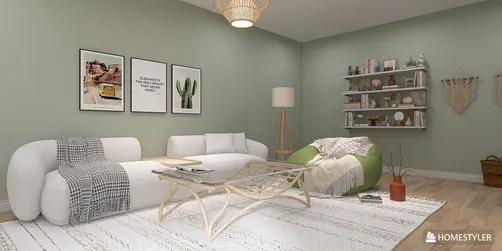
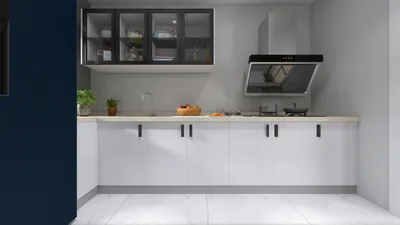
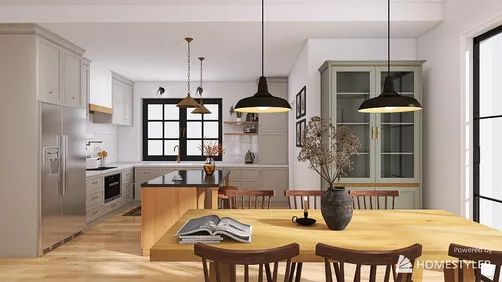
Scandinavian Home Interior features a design philosophy rooted in practicality stripped to essentials, abundant natural light, and a palette dominated by whites, soft neutrals, and touches of pale blue or grey. This style thrives in small to medium spaces where the emphasis rests on clean lines, uncluttered environments, and efficient furniture arrangement. The use of natural materials like light woods (e.g., birch, pine) and textiles such as wool or linen creates subtle texture without visual weight. Limitations arise when spaces lack sufficient light or require dramatic personalization—Scandinavian spaces can sometimes feel cold or sparse if not carefully layered.
Style B Deep Dive
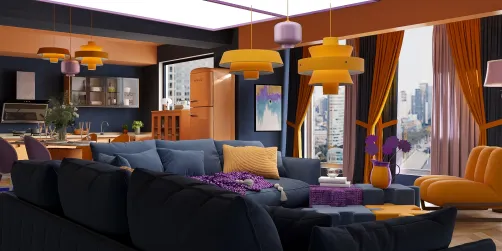
Mid-Century Modern characterizes itself by warm wood tones, organic shapes, and an intentional blend of functionality with aesthetic flair. This style flourishes in homes that appreciate vintage or retro influences, often incorporating bold statement furniture pieces, geometric patterns, and color accents such as mustard yellow, teal, or burnt orange. Spaces benefit from generous openness or structured zones where furniture and accessories act as both art and function. Its limitation can stem from heavier furniture forms or intricate detailing that resist decluttered living, making it less suitable for those preferring ultra-minimalist environments.
Head-to-Head
Color: Scandinavian interiors predominantly use light, neutral colors to maximize perceived space and light, often white walls with muted accents. Mid-Century Modern prefers richer, earthier tones combined with pops of vibrant color for personality. Material: Scandinavian design emphasizes pale natural woods, felt, wool, and matte textures to create calm simplicity. Mid-Century leans toward polished teak or walnut, leather, and glossy finishes adding warmth and richness. Spatial Experience: Scandinavian spaces favor airy, almost sparse arrangements facilitating flow and function, ideal for compact homes. Mid-Century embraces furniture as sculptural features in open-plan or segmented areas, inviting social interaction. Audience: Scandinavian appeals to minimalists who prize practicality and lightness. Mid-Century Modern suits lovers of retro charm who seek an inviting, slightly more decorative interior.
How to Choose
Consider first your lighting conditions and space scale. If your home benefits from substantial natural light and you prefer airy, clean-lined rooms with subtle textures, Scandinavian design is advantageous. If you desire warmth, timeless style mixing vintage flair with organic forms, Mid-Century Modern fits better. Reflect on lifestyle needs: Scandinavian suits efficient, clutter-free living, while Mid-Century invites curated décor and comfortable lounging. Your personality and how you live in a space should always guide your choice.
Designing the Look
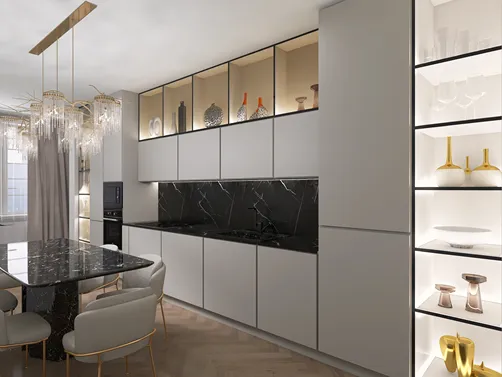
If Scandinavian Home Interior is the direction you're drawn to, Homestyler's 'Scandinavian Home Interior' gives you a ready-built library to start experimenting immediately — no sourcing, no scale guesswork, just design.

kitchen cabinet set-Kitchen Cabinet III
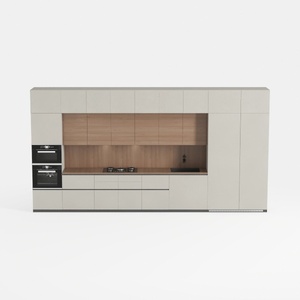
kitchen cabinet set-Kitchen Cabinet III

kitchen cabinet set-Kitchen Cabinet III

kitchen cabinet set-Kitchen Cabinet III

desk-American Retro

Floor Pattern-2
FAQ
Q1: Can Scandinavian and Mid-Century Modern styles be combined in a single interior?
Yes. They share an appreciation for clean lines and function, making balanced combinations possible. Use Scandinavian whites and light woods as a backdrop, then introduce Mid-Century furniture as accent pieces with richer woods and colors to add warmth without clutter.
Q2: Which style is better suited for small apartments?
Scandinavian style excels in small apartments due to its emphasis on light colors, minimal clutter, and efficient use of space, making rooms feel larger and more open compared to the sometimes denser Mid-Century Modern approach.
Q3: How do maintenance requirements differ between the two styles?
Scandinavian interiors often use light and delicate textiles and pale wood finishes that require gentle cleaning to avoid damage. Mid-Century Modern incorporates polished woods and leathers that need regular conditioning to maintain luster but generally withstand wear well.
What began as an Autodesk innovation has evolved into a design platform used by more than 20+ million registered users (platform data, 2026) around the globe. Homestyler combines powerful rendering, an intuitive editor, and a vast furniture library to help you turn inspiration into photorealistic designs — whether you're redesigning a single room or planning an entire home.
Homestyler has millions of users worldwide, making it one of the most popular online home design platforms.
Diseño ahora GRATIS















![[For dear Adelina madee 🤎]](https://hs-designs.homestyler.com/production/design/images/8a07e535-9cbc-4132-a42a-5932dac3a112/1706972286037.jpg?x-oss-process=image/resize,w_502,m_mfit/format,webp)