

Introduction
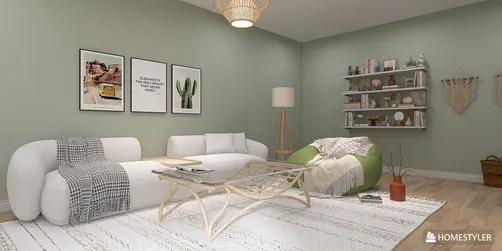
Scandinavian home interiors embrace a design philosophy rooted in simplicity, utility, and understated beauty. Emerging from the cold, dark climates of Northern Europe, this style originated from a cultural necessity to create warm, inviting, and practical living spaces that encourage comfort and functionality while maintaining an aesthetic calmness. The approach is less about expensive decorations and more about purposeful elements that harmoniously blend into everyday life. Scandinavian design rejects excess ornamentation and instead emphasizes clean lines and uncluttered spaces, which foster tranquility amidst the bustle of modern life. Underpinned by the belief that design should serve its purpose well and be accessible to all, the style exudes a democratic spirit, focusing on democratic comfort, natural materials, and ethical craftsmanship. The cozy yet minimal atmosphere invites natural light and integrates nature subtly through organic textures and neutral palettes, reflecting the serene northern landscapes. This balance of minimalism combined with warmth and tactility creates an interior that feels both modern and timeless — a genuine reflection of lifestyle choices that favor thoughtful simplicity over superfluous detail.
Core Elements
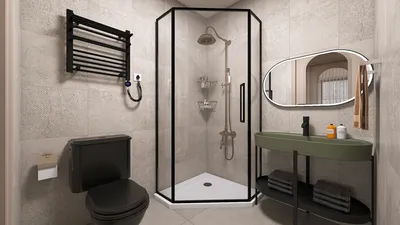
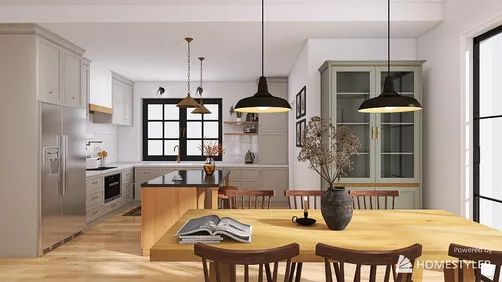
Color in Scandinavian interiors plays a pivotal role in amplifying natural light and creating airy, inviting spaces. Typically, the palette is dominated by cool neutrals—soft whites, muted grays, and pale blues—that mimic the Nordic environment’s subdued tones. These colors not only brighten interiors during long winters but also provide a versatile backdrop for the space’s functional elements. Accents of warm wood tones and subtle pastels break the coolness, introducing a natural warmth and balance that keeps spaces from feeling sterile. The careful restraint in color choice helps maintain a cohesive, calm environment, reinforcing the design’s focus on minimalism while evoking a sense of peacefulness and clarity.
Natural materials define the tactile experience within Scandinavian interiors. Wood is omnipresent — typically light varieties such as pine, ash, or birch — which enhances the interiors’ warmth and connects the indoor environment to the outdoors. This wooden touch ranges from floors and furniture frames to decorative accents, emphasizing craftsmanship and a connection to nature. Textures like wool, leather, and linen complement this wood foundation, introducing softness and layering without overwhelming the senses. These materials champion durability and sustainability, supporting a lifestyle that values quality and longevity. The material palette insists on authenticity and simplicity, allowing natural imperfections and grains to become focal points that celebrate the inherent beauty of each piece.
Form and shape within Scandinavian design reject unnecessary embellishment, favoring streamlined silhouettes and functional geometries. Furniture pieces feature clean, straight lines with gentle curves that balance ergonomic comfort and visual lightness. Shapes are often inspired by organic forms found in nature—rounded edges and subtle contours that encourage tactile engagement. The overall aesthetic is uncluttered: every object serves a purpose, and multi-functionality is encouraged to maximize space efficiency, especially in urban apartments. This approach promotes spaces that feel open and structured simultaneously, inviting movement and interaction without visual noise. Scandinavian forms reveal an unpretentious elegance, where the integrity of design shines through without distraction.
Designing the Look
Homestyler’s ‘Scandinavian Home Interior’ offers a comprehensive set of ready-to-use 3D models specifically curated to embody this aesthetic, allowing designers to achieve authentic results with professional-grade textures and forms. These models provide an invaluable resource for visualizing and executing a Scandinavian-inspired space with precision and ease. By integrating natural material textures, neutral palettes, and minimalist forms, the models replicate the style’s subtle yet impactful qualities. Using these assets accelerates the design process without compromising the integrity of the style, giving designers practical tools to craft interiors that are both functional and beautiful. Such resources are particularly beneficial for professionals working within constraints of urban living environments where spatial efficiency and understated sophistication are paramount. Ultimately, these models act as a tangible bridge from concept to execution, ensuring that the signature Scandinavian balance of warmth and simplicity is faithfully represented.

kitchen cabinet set-Kitchen Cabinet III
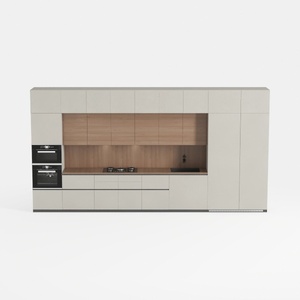
kitchen cabinet set-Kitchen Cabinet III

kitchen cabinet set-Kitchen Cabinet III

kitchen cabinet set-Kitchen Cabinet III

desk-American Retro

Floor Pattern-2
FAQ
Q: What are the key materials typically used in Scandinavian home interiors?
Scandinavian interiors predominantly use natural light woods like pine, birch, and ash to bring warmth and organic character. Complementary textiles such as wool, linen, and leather offer tactile layers while maintaining the style’s minimalist roots. These materials are chosen for their longevity, sustainability, and their ability to create a cozy yet streamlined environment.
Q: How does color influence the mood in Scandinavian design?
The color palette is crucial for achieving the calm, airy atmosphere characteristic of Scandinavian style. Soft whites, neutral grays, and muted pastels amplify natural light and introduce a sense of tranquillity. These colors provide a subtle backdrop that emphasizes texture and form without overwhelming the senses, keeping interiors fresh and luminous throughout seasonal changes.
Q: How can small urban spaces be optimized using Scandinavian design principles?
Scandinavian design thrives on efficiency and restraint, making it ideal for small apartments. Prioritizing multi-functional furniture, clean lines, and clutter-free surfaces maximizes spatial use while maintaining visual openness. The light color schemes and use of reflective materials also help to visually expand the space, making rooms feel larger and more welcoming despite limited square footage.
Homestyler's roots trace back to Autodesk, the global leader in design and engineering software. That heritage lives on in every feature we build. Today, with a community of more than 20+ million registered users (platform data, 2026) worldwide, Homestyler continues to make professional-quality interior design accessible to everyone — from first-time decorators to seasoned architects.
With Homestyler, you can design and visualize your living spaces online with stunning, realistic results.
Diseño ahora GRATIS















![[For dear Adelina madee 🤎]](https://hs-designs.homestyler.com/production/design/images/8a07e535-9cbc-4132-a42a-5932dac3a112/1706972286037.jpg?x-oss-process=image/resize,w_502,m_mfit/format,webp)