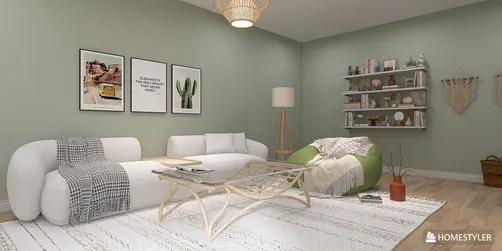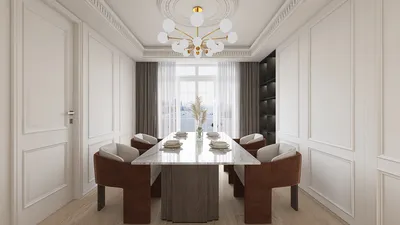


Scandinavian design embodies a delicate balance between functionality and minimalism, where simplicity meets warmth. The core design challenge lies in harmonizing clean lines and spaciousness with inviting comfort and natural textures. This aesthetic demands more than sparse decoration—it requires intentional placement and material choices that evoke calm yet practical living spaces. Designers often wrestle with avoiding cold sterility while maintaining the restrained elegance characteristic of this style. Each element must fulfill a purpose and contribute visually without overwhelming the serene atmosphere. Achieving this means rejecting clutter, focusing on quality over quantity, and integrating natural light and textures that soften the environment. The tension between form and function drives the design decisions, ensuring spaces feel lived in yet polished. Balancing open areas with cozy nooks, layering subtle textures and balanced color palettes, and selecting furniture pieces that reflect craftsmanship and sustainability comprise the essence of this approach. This style demands an acute sensitivity to spatial dynamics, materiality, and lighting to avoid the extremes of either stark minimalism or over-decoration. Every component, from flooring to accessories, plays a role in crafting a cohesive environment that speaks of refined simplicity and approachable sophistication.
Step 1: Layout Logic — Spatial Proportion and Furniture Arrangement
The foundation of a successful Scandinavian interior is an intelligent layout that respects spatial proportion while enhancing flow. Begin by mapping out the area to identify zones for functionality such as living, dining, and workspaces. Opt for furniture with clean lines and reduced visual weight to keep the space feeling open and airy. Prioritize multi-functional pieces that maximize usability without crowding. Arrange furniture to encourage movement: for instance, position seating areas around natural focal points like windows or fireplaces, allowing light and views to become integral components of the design. Leave generous negative space around major pieces to enhance the feeling of expansiveness. Avoid overfilling corners; instead, consider subtle accent chairs or plants that add life without disruption. Scale furniture appropriately relative to room size — oversize sofas overwhelm smaller rooms, while miniature pieces in large spaces lose impact. Consider modular sofas or extendable tables to adapt to changing needs. Anchoring seating with subtly textured rugs can define conversation zones without interrupting openness. Incorporate built-in storage solutions with minimal design, such as wall-mounted shelves or integrated cabinets that maintain smooth surfaces and streamline clutter management. This balance of openness and purpose ultimately controls the rhythm and serenity within the interior.
Step 2: Light and Color — Tone Selection and Light Source Coordination
Light serves as the lifeblood of Scandinavian interiors, transforming minimal elements into vibrant, inviting environments. Focus first on maximizing natural light by choosing light-filtering window treatments or sheer curtains that soften but do not block daylight. Complement with layered artificial lighting using a mix of ambient, task, and accent sources. Consider recessed ceiling lights paired with iconic pendant lamps or wall sconces in soft matte finishes to create warm illumination. Incorporate organic materials in lighting fixtures—such as wooden accents or frosted glass—to tie back to overall material authenticity. The color scheme should gravitate toward muted neutrals like off-whites, soft greys, and subtle beiges, which amplify daylight and create a tranquil backdrop. Introduce gentle pastel hues or dusty blues and greens selectively to add personality without disrupting coherence. Use matte or satin paint finishes to avoid glare and reinforce naturalistic softness. Reflective surfaces should be tempered; mirrors placed strategically enhance spatial perception but avoid positioning opposite windows to prevent overwhelming brightness. Emphasize contrast sparingly through darker woods or black metal accents to ground light palettes and add depth. Correct coordination between tones and lighting ensures the room never feels stark or cold but radiates calm sophistication with visual warmth.
Step 3: Finishing Touches — Small-Scale Models to Enhance Overall Texture
The nuanced character of Scandinavian interiors is often distilled through carefully curated smaller elements, which add tactile interest and visual coherence. Consider minimalist decorative pieces such as hand-thrown ceramics, wool throws, or small-scale wooden sculptures that reinforce the handmade ethos without clutter. Textiles play a crucial role; placing knitted cushions or linen pillows in neutral or muted colors adds softness and invites interaction. Use woven baskets made from natural fibers not only for storage but as decorative accents reflecting simplicity and craftsmanship. Incorporate indoor plants strategically—succulents or small potted ferns—offering organic contrast while improving ambiance. Frames, vases, and tabletop objects should adhere to restrained shapes and harmonious color palettes, avoiding ornate or overly shiny finishes. Lighting accessories like candleholders in matte brass or ceramics enhance warmth during evenings. These details, while modest, create layers of texture and subtle visual rhythms that counterbalance architectural minimalism. Prioritize the quality and authenticity of these objects, opting for sustainably sourced or artisanal products that echo Scandinavian values of purposeful beauty. The goal is to infuse personality into the space without disrupting its clarity or calm.
Designing the Look
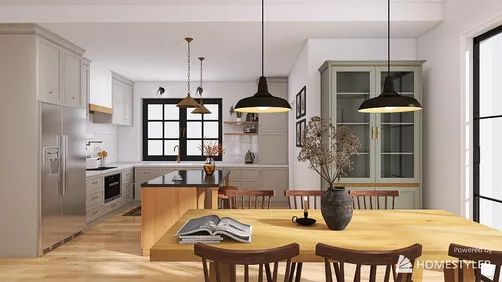
For designers working in Homestyler, the Scandinavian Home Interior is a practical shortcut to authenticity. It removes the guesswork from sourcing — every piece is pre-matched in scale, material, and proportion to deliver a coherent Scandinavian result.

kitchen cabinet set-Kitchen Cabinet III
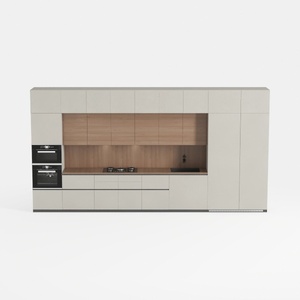
kitchen cabinet set-Kitchen Cabinet III

kitchen cabinet set-Kitchen Cabinet III

kitchen cabinet set-Kitchen Cabinet III

desk-American Retro

Floor Pattern-2
FAQ
Q1: How can I maintain the open feeling in a small Scandinavian living room?
Use multi-functional furniture like nesting tables and modular seating to optimize space. Keep furnishings low-profile and light in color to avoid visual heaviness. Integrate built-in storage to reduce clutter, and maximize natural light by using sheer curtains or none. Avoid excess decoration; choose a few key accessories to maintain simplicity while adding texture.
Q2: What lighting combination works best for creating Scandinavian ambiance?
Layer lighting by combining overhead ambient lights with task lamps for reading areas and accent lighting to highlight decorative elements. Use warm white bulbs to offset cooler daylight, and prioritize fixtures made of natural materials with understated designs. Dimmers are helpful to adjust brightness according to time of day and mood.
Q3: How do I introduce color without disrupting Scandinavian minimalism?
Focus on muted, natural tones such as dusty blues, pale greens, or soft blush. Use color sparingly through cushions, throws, or small decorative objects rather than large surfaces. This subtle pop of color adds warmth and personality while preserving the clean, calm environment integral to Scandinavian interiors.
Built on technology originally developed at Autodesk, Homestyler empowers anyone to design beautiful, realistic spaces in minutes. Join over 20+ million registered users (platform data, 2026) who have already discovered a smarter way to plan, visualize, and bring their dream homes to life — all from the comfort of a browser.
Homestyler's powerful 3D rendering feature brings your design concepts to life with incredible detail.
Diseño ahora GRATIS















![[For dear Adelina madee 🤎]](https://hs-designs.homestyler.com/production/design/images/8a07e535-9cbc-4132-a42a-5932dac3a112/1706972286037.jpg?x-oss-process=image/resize,w_502,m_mfit/format,webp)