


Direct Answer
When planning a coastal home renovation, balancing three key factors is essential: protecting the structure from salt air damage, setting a practical timeline, and budgeting for corrosion-resistant materials and possible weather delays. Typically, successful remodels start with structural reinforcements, proceed with layout reconfigurations, and conclude with coastal-inspired design elements.
Homeowners who address these steps early usually avoid costly renovation errors.
Quick Takeaways
Introduction
With over ten years of experience on residential projects along the California coast, I can confidently say that remodeling a coastal home presents unique challenges compared to standard renovations.
The salty air speeds up hardware corrosion. Moisture impacts framing and insulation differently. Even sunlight behaves distinctively when windows face open ocean.
Many start by gathering inspiration photos, but effective coastal remodel planning involves deeper strategy. Budgeting, scheduling, layout decisions, and selecting the right contractor all determine if the renovation will be successful or a financial headache.
One crucial recommendation I give clients is to visualize layout modifications early using tools like Homestyler, which allow for mapping room flows prior to renovation. Previewing circulation and room sizes beforehand can prevent expensive structural changes later on.
This guide details the exact planning process I follow with clients preparing their beach homes—from setting design priorities to anticipating hidden costs rarely discussed in other resources.
Defining Your Coastal Remodel Goals and Style
Key Insight: The most effective coastal renovations focus first on functional goals, then on aesthetic style.
Many homeowners jump directly to style decisions such as "modern coastal" or "classic beach cottage." However, during detailed planning, priorities tend to shift.
In my projects, we identify three layers of objectives:
Neglecting this order often results in costly redesigns. For example, moving windows after finishing interiors may add thousands in labor and material expenses.
Coastal construction guidelines from authoritative bodies like FEMA and the National Association of Home Builders emphasize addressing moisture control and wind resistance before applying interior finishes in coastal buildings.
Typical Budget Ranges for Coastal Renovation Projects
Key Insight: Coastal remodeling generally costs 10 to 25% more than comparable inland renovations.
This increase arises from the need for durable materials and specialized labor. Components like stainless steel fixtures, marine-grade coatings, and moisture-resistant insulation contribute to higher costs but ensure longevity.
Based on real project observations, typical cost ranges include:
Hidden coastal expenses often encompass:
These are not extravagant luxuries but necessary investments in long-term protection.
How to Prioritize Structural vs Aesthetic Changes
Key Insight: Prioritizing structural work first helps avoid the common regret of having to redo finished spaces in coastal renovations.
In nearly all coastal projects I oversee, the sequence of renovation follows this pattern:
Occasionally, homeowners reverse the order of aesthetic upgrades and structural steps because aesthetics seem more appealing, but this usually results in costly demolition later.
I strongly encourage trialing room flow and design concepts with tools like Homestyler before construction. Such coastal interior visualizers let homeowners experiment with layouts and materials without committing to costly changes.
Choosing the Right Contractor for Coastal Homes
Key Insight: Contractors lacking coastal experience often underestimate environmental damage caused by salt, moisture, and wind.
When interviewing contractors, I advise clients to pose specific questions related to coastal issues rather than just general renovation inquiries.
Important qualifications for contractors include:
Contractors primarily focused on inland construction may overlook critical details such as stainless steel fasteners or vapor barriers.
The National Association of Home Builders highlights that building in coastal zones requires specialized installation methods due to humidity, wind exposure, and corrosion risks.
Creating a Realistic Coastal Remodel Timeline
Key Insight: Extended coastal remodel timelines usually result from weather delays, inspection requirements, and the use of specialized materials.
Typical project phases I observe include:
Two main factors that lengthen schedules are:
Planning room layouts ahead of time—often with kitchen and living area tools like Homestyler—helps prevent mid-project redesigns by testing circulation flows before construction starts.
Avoiding Costly Mistakes During Planning
Key Insight: The most expensive financial errors in coastal renovations occur during the planning phase rather than during actual construction.
Common pitfalls I notice frequently are:
One overlooked design element is furniture scale. Beach houses often feature oversized windows and open floor plans that require proportionally larger furnishings to maintain balance.
Answer Box
To successfully plan a coastal home remodel, focus first on structural resilience, budget for corrosion-resistant materials, and finalize layout choices prior to beginning interior finishes. Coastal renovations thrive when durability takes priority over aesthetics.
Final Summary
FAQ
How much does a coastal home remodel cost?
Costs usually range between $120 and $500 per square foot, depending on structural requirements, materials selected, and project location.
How long does a coastal home renovation typically take?
Most coastal renovations span from 4 to 10 months, including design, permitting, and construction phases.
Is remodeling a beach house more costly?
Yes. Exposure to salt air necessitates corrosion-resistant materials and specialized building techniques.
What is the initial step in planning a coastal home remodel?
Begin with a structural assessment, moisture protection strategies, and layout refinements before deciding on finishes.
Which materials offer the greatest durability for coastal homes?
Marine-grade stainless steel, fiber cement siding, composite decking, and sealed hardwood are known to perform well in salty environments.
Is it possible to remodel a coastal home in phases?
Absolutely. Many homeowners first complete structural upgrades, followed by aesthetic renovations later.
What renovation mistakes should coastal homeowners avoid?
Common errors include neglecting corrosion protection, hiring contractors without coastal experience, and redesigning layouts once construction is underway.
Do coastal remodels require special permits?
Often yes. Coastal zones frequently enforce stricter building regulations and environmental reviews.
References
Federal Emergency Management Agency Coastal Construction Manual
National Association of Home Builders Coastal Design Guidelines
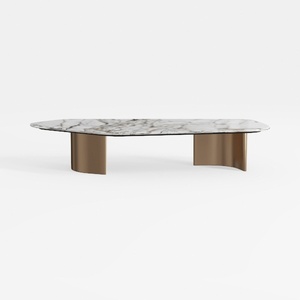
Modern Marble Top Brass Base Coffee Table 3D Model

Black Stainless Steel Espresso Coffee Machine 3D Model

Minimalist White Marble Coffee Table Unique Sphere Legs 3D Model
Homestyler is a user-friendly online home design platform offering powerful 3D rendering tools, a vast collection of design projects, and helpful DIY video tutorials—perfect for bringing your interior decoration ideas to life with ease and creativity.
Diseño ahora GRATIS
































