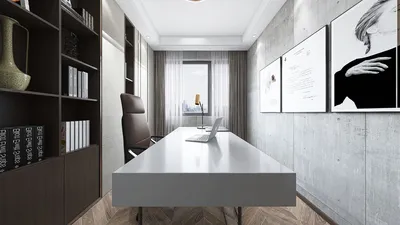


The choice of tile color significantly influences the ambience, proportion, and functionality of a room even before furniture is introduced. My method integrates reliable data on lighting and ergonomics with the principles of color psychology and practical design details. This ensures that the colors you select will appear appealing in natural light, artificial lighting, and over time.
Understand the Importance of Lighting First
Colors can look different under natural sunlight and artificial illumination, so I prioritize assessing lighting conditions as a first step. The WELL v2 guidelines suggest a maintenance of 200-300 lux for general living spaces and higher illumination for work areas such as kitchens and bathrooms; typically, kitchens shine best with 300-500 lux on prep surfaces, while bathrooms require consistent, bright lighting to prevent shadows. Similarly, the Illuminating Engineering Society (IES) highlights the necessity for enhanced task lighting in cooking and vanity zones. Therefore, light-colored tiles in dimly lit spaces can enhance the perceived brightness, while mid-tone, low-gloss tiles help minimize glare under intense LED lights. If you're considering a full-height backsplash or shower wall, utilizing a room design tool like Homestyler can simulate layouts and visualize light reflections to anticipate contrast and highlights.
Color temperature is as critical as brightness. Warm LEDs ranging from 2700-3000K enhance earthy, beige, and terracotta tiles; neutral 3500-4000K helps maintain the definition of grey, taupe, and soft white tiles; cooler temperatures of 4000-5000K can highlight bright whites and muted blues while possibly washing out warmer hues. The WELL v2 guidelines stress the need to reduce glare; avoid using highly reflective white tiles in areas directly under narrow-beam lighting—consider a semi-matte texture for a balanced luminance.
Utilize Color Psychology Thoughtfully
Color affects mood and behavioral responses. Studies in color psychology reveal that shades of blue and green can foster tranquility and concentration, while warmer colors tend to create a more inviting and energetic atmosphere. In practical applications, muted blues work well in relaxing bathrooms; soft sage or eucalyptus hues give kitchens a fresh vibe without altering the appetizing colors of food; and warm neutrals, such as sand, oatmeal, and biscuit tones can create an elegant base in living spaces. It's best to keep color saturation low across expansive surfaces; reserve brighter accents for smaller areas or borders to avoid overwhelming the senses.
Scale, Pattern, and Proportion of Tiles
The dimensions of tiles significantly influence how color is perceived. Large-format light tiles can enhance the sense of space in smaller rooms and minimize grout lines, presenting a continuous surface that appears brighter. Dark tiles in large formats can impart a sense of luxury but may make a room with low ceilings feel more confined, unless combined with lighter wall colors and controlled lighting angles. In elongated hallways, staggered layouts or slight tonal variations can break the visual monotony, while diagonal configurations can visually expand narrow areas. When planning intricate patterns—such as chevrons or herringbones—a room layout planner like Homestyler can help determine the rhythm and balance of light and dark areas before finalizing your decisions.
Consider Contrast Ratios for Visual Comfort
Exaggerated contrast in colors can be straining for the eyes and may draw attention to dirt. Aim for a subtle transition between floor and wall colors, ideally maintaining a difference of about one or two Munsell value steps, or a 20-30% lightness variation. In kitchens and bathrooms, consider matching grout closely with tile colors to reduce visual noise; high-contrast grout should be used only for intentional designs and under consistent lighting.
The Finish is Just as Important: Glossy, Matte, and Honed
The finish of tiles affects perceived colors. Gloss finishes can amplify colors and reflections, while matte finishes soften hues and create a more uniform appearance. In well-lit spaces, choose honed or matte finishes to minimize reflective highlights and enhance mid-tones. In dimly lit areas, satin finishes can subtly boost brightness without causing glare. For areas prone to moisture, such as showers, ensure the tiles have adequate slip resistance (often marked by DCOF values) and note that textured, matte finishes may slightly darken the apparent color.
Color Strategy for Each Room
For shared, multi-functional spaces, light warm neutrals are timeless choices: warm greys, greiges, and sandy beiges work well for both daytime and evening illumination. If you prefer darker flooring options—like charcoal porcelain or walnut-hued ceramics—pair them with lighter wall colors and decor to uphold a luminous balance. Under 2700-3000K lighting, natural materials such as leather, wood, and warm tiles blend harmoniously.
Clarity is essential in kitchen prep areas. Mid-tone greys, soft taupes, or gentle warm whites work well to avoid casting colors on ingredients. Backsplashes can handle accents effectively, such as muted emeralds, sea-glass blues, or terracotta mosaics, provided that countertops remain neutral. Under 3500-4000K lighting, stainless appliances and cooler whites maintain a sharp look; however, steer clear of excessively blue whites that may appear sterile.
Soft and serene palettes—eucalyptus, mist grey, and chalk white—pair nicely with high-illuminance vanities. Dark flooring grounds the space, while keeping shower walls lighter can ensure a more even brightness. Consider stacking tiles vertically to emphasize height and opting for matte finishes to mitigate glare from mirrors.
For a calming atmosphere, one might choose dusty rose-beige, warm greys, and muted olives to complement 2700K lighting. When utilizing patterned tiles, maintaining a lower saturation and gentle scale in the patterns can prevent the space from becoming visually overstimulating before rest.
For high-traffic and messy spots, opt for medium-value tiles (like mid-greys, slates, or camel tones). A subtle bordering in a slightly darker hue can help delineate footpaths without creating a busy look.
Choosing Materials with Sustainability in Mind
Porcelain tiles maintain consistent color and resist fading, making them excellent for expansive light spaces. Terracotta and cement tiles provide a natural warmth; applying a sealer can deepen their color by a half-step—always test under natural lighting first. Recycled tiles are increasingly available, and utilizing low-VOC adhesives and grouts can help maintain indoor air quality. When balancing various material colors—wood trims, metal accents, and paint—ensure consistent undertones (warm versus cool) to avoid clashes.
Achieving Acoustic and Thermal Comfort with Colors
Although color itself doesn't alter acoustics, darker, textured tiles often possess micro patterns that help scatter sound better than glossy tiles. Combine tile flooring with area rugs and soft furnishings to absorb sound reflections. For thermal comfort, warm hues can psychologically create a sense of warmth in cooler spaces; in areas exposed to sunlight, cooler neutrals can visually balance out the heat.
Test Before Finalizing Choices
Always conduct mock-ups. Position tile samples both vertically and horizontally beneath your actual lighting fixtures at your desired color temperature. Observe how they shift from morning through to evening. Research by firms such as Gensler frequently highlights how lighting affects perception; this is equally true within a house, as natural daylight alters color saturation and shadows. For complex layouts, utilizing a design visualization tool such as Homestyler can clarify how color fields interact with furniture and views.
Common Color Mistakes I Avoid
- Stark black-and-white themes in compact bathrooms can result in excessive glare and visible water spots.
- Pure optical white tiles can show dust and scuffs easily, making them feel cold under cool lighting.
- Mixing warm and cool whites carelessly; discrepancies in undertones are particularly noticeable at corners and trims.
- High-gloss dark flooring under narrow downlights; these can reveal unsightly hotspots and footprints.
A Straightforward Selection Process
1) Assess lighting: Evaluate lux levels and color temperatures throughout the space. Refer to WELL v2 and IES guidelines for task areas.
2) Select a foundational value: choose light to mid-range flooring for smaller spaces and mid to dark options for larger, well-lit areas.
3) Align color undertones: warm with warm and cool with cool, and test against surrounding paints and finishes.
4) Determine the finish: use matte or honed finishes for strong light; satin for lower light areas; use gloss sparingly.
5) Introduce accent colors: incorporate one controlled accent zone (niche, backsplash, border) with low to moderate saturation.
6) Mock-up and adjust: assess the design at various times of the day and make necessary refinements.
FAQ
Q1: Do light-colored tiles always create an illusion of space?
A: Yes, light tiles enhance the perception of space by reflecting more light, especially in confined areas. Combining them with minimal grout contrast and matte finishes helps in reducing glare.
Q2: Which tile colors work optimally under warm lighting temperatures of 3000K or below?
A: Warm neutrals—like beige, biscuit, greige, or terracotta—appear richer when illuminated by 2700-3000K lighting. Light whites may appear slightly yellow; choose neutral whites for crispness.
Q3: How do I select a kitchen floor color that conceals dirt effectively?
A: Mid-tone greys or taupes with subtle variations are usually forgiving; very light or very dark floors tend to show crumbs and dust more easily.
Q4: Is it advisable to use high-gloss finishes in bathrooms?
A: Gloss finishes can contribute to an elegant look but may heighten glare near mirrors and spotlight fixtures. It is wiser to apply semi-matte tiles on larger surfaces and reserve gloss for minor accents.
Q5: What grout color is ideal for patterned tiles?
A: It's best to match grout closely to the dominant color of the tile to enhance the pattern visibility without clutter. High-contrast grout should be reserved for precise geometric designs under uniform lighting.
Q6: Will using cool-colored tiles make a warm room feel cooler?
A: Yes, they can influence perception. Light blues, mint colors, and cool greys can visually balance the warmth of daylight, particularly with 4000K lighting.
Q7: What's the best way to coordinate wood tones with tile colors?
A: Make sure to align the undertones: warm oak pairs well with warm beige or terracotta; cool walnut or ash should match with grey or neutral white tones. Always test together in the room's lighting.
Q8: What's the most resale-friendly color palette?
A: Soft neutrals, including warm grey, light taupe, and oatmeal, tend to appeal broadly. To add personality, consider using removable accents instead of permanent bold hues.
Q9: Are dark tiles suitable for entrance areas?
A: Yes, provided they are mid-to-dark hues with some variation. Pure black tiles show dirt prominently; opt for charcoal, slate, or textured patterns to mask wear.
Q10: How does tile size impact color selection?
A: Larger tiles create a more calming and bright appearance due to fewer grout lines. Smaller mosaics can add texture and allow for darker shades without overwhelming the space.
Q11: What's the best color for a shower niche?
A: A slightly darker or contrasting shade can elegantly highlight products. Aim for moderate saturation, and opt for matte or satin finishes to minimize glare.
Q12: Is it possible to blend warm and cool palettes in a single room?
A: Yes, if you use one palette dominantly (e.g., warm flooring) with small accents from the other (such as a cool backsplash), and ensure the undertones are balanced through neutral choices.

TREATLIFE HOME Solid Wood Computer Desk with Drawe

Modern Dining Chair, Upholstered Dining Room Chair
Discover the joy of home design with Homestyler! This user-friendly platform offers an intuitive online design tool, stunning 3D renderings, and a treasure trove of design projects and video tutorials. Perfect for anyone looking to unleash their creativity and transform their space effortlessly!
Diseño ahora GRATIS
































