


Selecting the appropriate air conditioning unit for a compact room involves more than simply focusing on the highest BTUs; it's all about finding a harmonious balance in factors like sizing, noise levels, airflow, and energy efficiency. For spaces measuring under 200 square feet, a capacity of 5,000 to 8,000 BTUs generally suffices. However, it’s crucial to consider how quietly the system operates, the efficacy of its air distribution, and its ability to control humidity without excessive cooling. In my experiences, the top-performing compact AC systems are those that are precisely matched to the room's characteristics, including its layout, sun exposure, and typical usage patterns. Homestyler can be particularly useful for visualizing these factors in your design.
Research consistently illustrates that comfort results from a combination of temperature, humidity, and sound levels. The WELL v2 standard advises maintaining a relative humidity of 30–60% for optimal comfort and health, which is essential in smaller rooms where air conditioning cycles may be short (source: WELL v2). A study from Steelcase highlights that acoustic comfort links directly to productivity, indicating that noise and distractions hinder cognitive focus in sealed environments; therefore, selecting a low-noise system significantly enhances user comfort in small spaces (source: Steelcase Research). I prioritize models that operate at under 50 dB, with continuous low fan speeds and intelligent modulation options.
From the perspectives of lighting and ergonomics, the Illuminating Engineering Society (IES) stresses the importance of glare reduction and the effect of thermal comfort on visual tasks; stable temperatures and minimized air drafts promote better concentration (source: IES standards). In tighter areas, I avoid directing airflow straight at desks or beds and instead choose systems equipped with adjustable louvers to facilitate gentle, consistent airflow. Additionally, the psychology of color can influence comfort levels: using cooler color schemes can subtly enhance perceived thermal comfort, assisting in the reduction of overcooling tendencies in smaller environments (source: Verywell Mind on color psychology).
Essential Considerations for Selecting AC for Small Spaces
• Proper BTU sizing: Typically, air conditioners ranging from 5,000 to 8,000 BTUs are suited for areas measuring 100 to 200 square feet. Units that are too large tend to short-cycle, leading to inadequate dehumidification and increased noise; conversely, those that are too small may run continuously and waste energy.
• Minimal noise: Aim for sound levels at or below 50 dB in areas designated for sleeping or studying; investing in quiet inverter compressors and variable-speed fans is advisable.
• Humidity regulation: An air conditioner featuring a dry mode or variable-speed compressor is ideal for maintaining the optimal 30–60% relative humidity range.
• Intelligent modulation: Inverter mini-split systems and smart window units provide smoother temperature transitions and enhanced energy efficiency.
• Air flow management: Systems equipped with adjustable louvers and multi-directional airflow features, such as swing mode, are effective in avoiding cold spots.
• Filtration quality: A washable filter is essential; quality filtration systems improve indoor air quality within tighter spaces.
• Accessibility for maintenance: It's beneficial for small rooms to have air conditioning units that are easy to clean, with filters that can be accessed without tools.
Top-rated Cooling Options for 2024 (Small Rooms)
• Inverter Mini-Split (Single-Zone, 6,000–9,000 BTU): The premium choice for quiet, efficient cooling. The outdoor compressor keeps indoor noise to a minimum—particularly advantageous for bedrooms and home offices where silence is key. Look for SEER2 ratings that reflect superior efficiency and include a dehumidification setting.
• Smart Window AC (5,000–8,000 BTU): A well-rounded option for rental properties or budget-conscious situations. Select models that feature inverter technology, smart scheduling capabilities, and noise levels around 45–55 dB. U-shaped configurations help isolate compressor noise from the living space.
• Portable AC (8,000 BTU SACC): The ideal choice when installation limitations are present. Ensure the design includes dual hoses to enhance efficiency and maintain balanced pressure. Keep in mind the higher noise levels; position the unit away from the bed and utilize a night mode setting.
• Through-the-Wall AC (6,000–8,000 BTU): Offers a sleek appearance with better sealing compared to window units. Ideal for permanent installations—consider wall sleeve insulation and service accessibility.
Determining Size: BTU, Orientation, and Room Characteristics
The room’s envelope and exposure to sunlight are critical variables. For instance, west-facing windows can increase cooling demands; utilizing heavy curtains and low-SHGC glazing can help maintain stable temperatures. For small areas of 100–150 square feet with typical insulation, a cooling capacity of around 5,000-6,000 BTUs is generally sufficient; for those measuring 150-200 square feet, roughly 7,000-8,000 BTUs is advisable. For spaces with high ceilings (9 ft or more), frequent heat-producing devices, or considerable sunlight exposure, add about 10% to the BTU rating. Rooms with strong cross-ventilation may require fewer BTUs for adequate cooling.
Placement and Airflow Strategy
The airflow path is as crucial as the unit's capacity. It is important to avoid letting supply air blow directly over sleeping or working spaces to prevent drafts and dry conditions. Install mini-split heads high up on the wall opposite the main activity area; direct louvers across the ceiling and then downwards gently. Window models should be placed centrally to distribute air evenly, utilizing side baffles to block bypass airflow. If you're considering a furniture layout refresh or a compact workspace, a quick check with a room layout tool, such as Homestyler, can help avoid conflicts between vents, curtains, and storage solutions.
room layout tool
Noise and Acoustic Comfort
Smaller rooms tend to amplify mechanical noises. To combat this, select units with inverter compressors and night modes; ensure you choose models that provide sound level information across multiple fan speeds instead of just the lowest setting. Position portable AC units away from corners to reduce sound reflection, and consider using resilient mats to further isolate them from hard flooring. For rooms that serve dual purposes, such as recording or study spaces, adding soft materials—like textile wall panels or thicker rugs—can absorb fan noise and minimize high-frequency sounds.
Humidity, Health, and Filtration
Keeping relative humidity within the WELL v2 confident range of 30–60% lessens dust mite population and enhances respiratory comfort. Choose air conditioners that feature dedicated dry modes or variable-speed dehumidification functions. Regularly clean filters during peak usage months, and in humid regions, a quiet dehumidifier alongside a small inverter AC can work together to maintain stability without excessive cooling.
Energy Efficiency and Smart Controls
Employing smart thermostats and app-based scheduling can help prevent temperature fluctuations. Utilize eco modes and gentle ramping of setpoints to lessen the phenomenon of short cycling. Ensure that window and portable units are properly sealed, as gaps at sashes and hose ports are primary sources of energy loss. Nighttime adjustments of 1-2°F are often sufficient; avoid drastic changes that may trigger loud, high-speed operation.
A Designer’s Recommended List by Use Case
• Serene Bedroom: Inverter mini-split (6,000 BTU), ≤45 dB, sleep mode, and louvers that swing for gentle airflow distribution.
• Ideal for Rentals: Smart window AC (7,000 BTU), featuring a U-shaped design, Wi-Fi scheduling, and robust side sealing.
• Compact Home Office: Through-the-wall unit (6,000 BTU) with multi-speed fans and washable filters; install away from the desk to minimize drafts.
• Zero-Installation Solution: Dual-hose portable air conditioner (8,000 BTU SACC), positioned near a window with short, insulated hoses and a night mode option.
Comfort Trends for 2024–2025
• Quieter Inverter Technology: More compact compressors equipped with superior modulation features reduce nighttime noise.
• Integrated Dehumidification: Advanced sensors prevent overcooling while efficiently managing relative humidity levels.
• Emphasis on Air Quality: Enhanced filtration systems and easy-to-clean removable filters take center stage.
• App-Driven Micro-Scheduling: Customized routines can align cooling efforts with room occupancy to conserve energy.
Frequently Asked Questions
Typically, around 5,000 to 6,000 BTUs are necessary, assuming average insulation levels and moderate exposure to sunlight. For west-facing rooms or those with high ceilings, consider a capacity of 6,000 to 7,000 BTUs.
Indeed, inverter models adjust their cooling output to maintain stable temperatures and humidity levels, tend to operate more quietly than window types, and mitigate short cycling—making them ideal for sleep and focused work.
Aim for sound levels below or equal to 50 dB when on low settings. Night modes and inverter compressors can assist; avoid units that only provide their quietest sound output as a benchmark.
While oversized units may cool more quickly, they compromise overall comfort. These systems tend to short-cycle, failing to effectively manage humidity and creating drafts. Proper sizing improves dehumidification and enhances acoustic comfort.
Portable air conditioners boast flexibility with minimal installation requirements. Opt for a dual-hose configuration for improved efficiency and pressure balance but anticipate higher noise levels in comparison to window or mini-split units.
Absolutely critical. The WELL v2 guidelines suggest maintaining relative humidity between 30–60% for optimal comfort and health. Look for units with dry modes or variable-speed dehumidifying capabilities.
Indirectly, stable temperatures help to minimize uncomfortable heat shimmer, while avoiding direct airflow at workstations keeps dry eye symptoms at bay. Guidance from IES regarding visual comfort pairs effectively with gentle, diffused airflow.
Regular maintenance is essential. Clean filters monthly during peak use, inspect window seals and hose connections, and keep condensate pathways unobstructed. These straightforward measures help maintain system airflow and limit noise levels.
Yes, using micro-scheduling features along with modest nighttime temperature adjustments can reduce unnecessary operating time. Smart units will prevent drastic temperature fluctuations that trigger louder high-speed cycling.
In highly humid environments, pairing a quiet dehumidifier with a compact inverter air conditioner can effectively control humidity without excessive cooling, thereby enhancing comfort and energy efficiency.
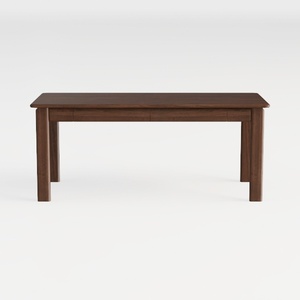

SAFAVIEH Home Collection Reid Walnut Computer Tabl
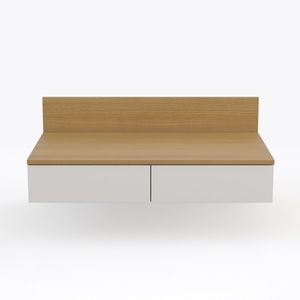
Modway EEI-6312-WHI-NAT Kinetic 49" Wall-Mount Off
Discover the joy of home design with Homestyler! This outstanding platform offers a user-friendly online design tool paired with stunning 3D renderings, a plethora of design projects, and engaging DIY video tutorials. Transform your ideas into reality effortlessly, no matter your experience level!
Diseño ahora GRATIS
































