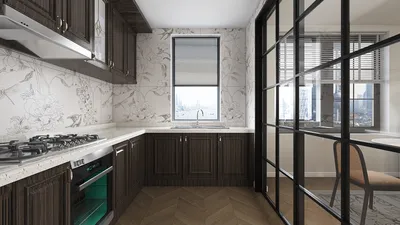


When considering living room curtains, I view them as more than mere fabric—they serve as modulators of light, focal points in design, and sound absorbers. The appropriate selection can enhance comfort, accentuate architectural features, and harmonize the room's proportions. In my recent projects, I've integrated layered sheer curtains to manage glare and textured drapery to soften stark surfaces, thereby improving both visual and acoustic comfort while maintaining aesthetic appeal. Using tools like Homestyler can help visualizing these elements before making final decisions.
Light quality is fundamental when selecting curtains. Recommendations from WELL v2 suggest minimizing direct glare and ensuring consistent luminance; thoughtful layering can achieve this in living areas where natural light changes throughout the day. Research by Steelcase ties visual comfort to sustained focus and overall wellbeing, indicating that extremes in glare can detract from comfort and productivity within living rooms that serve as workspaces. Evidence-based designs, like combining sheer curtains for soft light diffusion with lined panels for complete blackout, can significantly enhance comfort and functionality.
The scale and proportions of curtains are equally important. I typically design drapery widths to be 2 to 2.5 times wider than the window for fullness, raising the rod height 6 to 12 inches above the window head (or up to the ceiling in lower spaces) to create an illusion of height, with panels either gently touching the floor or breaking slightly for a polished appearance. In open-plan living areas, utilizing a room layout tool like Homestyler allows testing of curtain lengths, stack-back, and furniture positioning before any installation begins.
Sheer Curtains: Gentle Daylight and Visual Serenity
Sheer curtains softly filter brightness, obscure outside views, and enhance texture without blocking out daylight. They are ideal for living rooms that require a touch of softness, privacy during the day, and reduced contrast on screens. Open weaves work beautifully with coastal or minimalist aesthetics, while subtle patterns fit well in classic interiors. Pairing sheers with another layer—like lined drapery or roman shades—extends usability into evening hours.
- The color temperature of daylight changes throughout the day; sheers help to reduce harsh midday glare while preserving color accuracy.
- For corner windows, seamless sheer tracks help maintain unobstructed sightlines and prevent light leaks.
- In compact spaces, mounting sheer tracks on the ceiling visually enhances height.
Linen and Cotton Drapery: Natural Texture with Airiness
Linen blends and robust cottons add tactile richness while delicately managing light. I tend to recommend medium-weight linen for a casual yet sophisticated look; it drapes softly and creases naturally. Cotton twill or sateen offers crisper lines for transitional settings. Incorporating privacy or dim-out linings can help stabilize the drape and safeguard against UV damage.
- Warm neutral tones (such as sand or oatmeal) perfectly complement wood flooring and soften cool gray walls.
- It's wise to select pre-shrunk or blended linens to minimize changes in length post-installation.
- For flexible day and night control, consider combining with an unobtrusive blackout roller within the frame.
Blackout Curtains: Control, Contrast, and Visual Comfort for Media
In living rooms that double as media spaces, blackout curtains create a managed visual environment and enhance contrast for viewing. I often use materials with triple-weave or foam-backed linings to block outside light and eliminate reflections. This layer also boosts sound absorption, softening echoes from hard floors or expansive glass areas.
- Utilize double tracks: a decorative layer in the front and blackout layer in the back for optimal efficiency.
- Ensure ample stack-back (8–12 inches on each side) so windows aren't visually constricted when curtains are drawn open.
- Dark textiles enhance absorption; if the overall palette is light, opting for blackout lining instead of dark fabrics is advisable.
Velvet Curtains: Acoustic and Visual Drama
Velvet adds substantial weight and texture, making it ideal for spaces with a lot of echo. It beautifully frames windows and enriches colors. In both historical and contemporary luxurious designs, velvet can appear intentional rather than overwhelming when paired with sleek hardware and sharp pleats.
- Opt for cotton or performance velvet with light-blocking linings to prevent sunlight damage.
- Ripplefold or two-finger pinch pleats help to keep the bulk manageable.
- Balance with lighter textures (like rattan or boucle) to avoid visual heaviness.
Patterned Curtains: Rhythm and Focal Emphasis
Patterns can integrate different styles of furniture or create flow across expansive walls. I often use large-scale designs to invigorate minimal spaces and small patterns to add texture without overwhelming the room. Aligning pattern repeats across several panels contributes to a more polished appearance.
- Keep the pattern limited to 2 to 3 hues that are found elsewhere in the room for a unified look.
- If the sofa fabric boasts a striking design, opt for a subtler curtain pattern with tonal variations.
- Take natural light variations into account; high-chroma patterns can cast color on walls during peak sunlight hours.
Roman Shades and Soft Shades: Streamlined Layers
When dealing with radiators, built-ins, or deep sill windows that complicate full-length drapery, roman shades offer softness without impacting floor space. Flat roman shades have a streamlined look, while hobbled options bring added dimension. I frequently layer roman shades with stationary side panels to elegantly frame the window while allowing for a versatile view.
- Inside mounting highlights the trim; outside mounting enhances the perceived size of the window.
- Cordless or motorized shades provide safety and ensure clean sightlines.
- Align the bottom of shades across a wall with multiple windows for a rhythmic appearance.
Sheer-to-Blackout Layering: Versatility in One Window
Layering enables a living room to transition from bright social areas to cozy cinema spaces. A typical setup involves sheer curtains on a front track, backed by lined drapes, all ceiling-mounted to create a sense of height. The hardware color should complement other metals in the room for visual harmony.
- Maintain a clearance of at least 3 to 4 inches between tracks to prevent binding.
- For bay windows, a continuous curved track ensures smooth operation.
- Use an interior layout planner to test stack depth and ensure artwork or shelving isn't obstructed by curtain returns.
Thermal and Energy-Efficient Curtains: Comfort Meets Sustainability
Thermal linings offer insulation and help stabilize the temperature in a room. In living rooms with large single-glazed windows, insulated fabrics can minimize drafts and reduce HVAC fluctuations. Heavier interlinings also enhance the drapes' quality, giving a richer appearance.
- Consider bump interlining for a sumptuous silhouette with silks or delicate linens.
- Ensure that returns and overlaps at the tracks effectively close any light or air gaps.
- Layering shades along with drapery on north-facing facades can provide comfort during the winter months.
The Psychology of Color in Living Rooms
Colors influence behavior: soft greens and muted blues enhance tranquility and rejuvenation; warm neutrals foster hospitality; subdued terracotta tones introduce warmth. In smaller spaces, mid-tone curtains matched to wall color can extend perceived height; for larger areas, contrasting colors contribute to the room's character. A review by Verywell Mind notes that blue and green are commonly linked to calmness, stability, and focus—ideal considerations for living rooms that serve as work areas.
Hardware, Heading Styles, and Proportions
Heading styles significantly affect the aesthetic. Ripplefold headings create modern, even waves; pinch-pleats convey a classic touch; grommets fit casual spaces but may feel too informal in more formal environments. For rods, extending 8 to 12 inches beyond the window on each side allows for effective stack-back. In high-ceilinged areas, ceiling tracks highlight the vertical dimensions and streamline the overall profile.
Acoustic Considerations and Light Management
Living rooms with expansive windows benefit from fabrics that absorb sound along with layered window treatments. Dense weaves combined with interlining help reduce echo and enhance clarity during conversations. Regarding light, following IES guidelines, it's crucial to avoid high luminance contrasts and control direct glare. Sheers can balance brightness, while lined draperies and blackout options prevent unwanted reflections at night.
Eco-Friendly Choices
Opt for OEKO-TEX certified materials, recycled poly blends, or natural fibers like linen and cotton that emphasize responsible sourcing. Thermal linings reduce energy consumption, and durable coatings help extend fabric life by minimizing UV damage. When possible, choose hardware with modular features that prioritize repairs over replacements.
Measuring, Mounting, and Common Missteps
- Hang curtains high and wide to visually enhance width and height.
- Order lengths that just touch the floor or break slightly; avoid curtains that are too short.
- Check for any obstructions like radiators, vents, door swings, or speakers.
- Always consider lining; it stabilizes the drape, protects the fabric, and sharpens the silhouette.
- Arrange furniture proximity to ensure curtains can open fully without interference from lamps or side tables.
Trusted References and Resources
For benchmarks related to visual comfort and creating effective zones in living rooms, refer to Steelcase research on comfort and performance, as well as wellness guidelines from WELL v2 that address glare reduction and balanced luminance. Their recommendations are closely aligned with the layered, glare-managing strategies offered by Homestyler, which can help in designing adaptable living spaces throughout the day.
Frequently Asked Questions
Q1: What curtain type is ideal for bright, street-facing living rooms?
A1: A layered approach works best: sheer curtains for daytime privacy and glare management, along with lined or blackout drapes to counter nighttime lighting and improve acoustic absorption. Ceiling-mounted tracks assist in closing light gaps at the top.
Q2: How do I choose curtain sizes for optimal fullness?
A2: Plan for widths that are 2 to 2.5 times the window width across both panels. This guarantees pleasing folds, superior light management, and a well-defined silhouette.
Q3: Which heading style gives a more modern look?
A3: Ripplefold heading provides a neat, architectural wave and moves effortlessly along the tracks—ideal for contemporary spaces featuring large windows.
Q4: Can curtains assist in improving acoustics in a room with echoes?
A4: Absolutely. Dense fabrics (such as velvet or lined linen) along with interlining enhance sound absorption, minimizing reverberation. Achieving full-height coverage on large glass expanses typically yields the most significant improvement.
Q5: Do blackout curtains appear too bulky for smaller rooms?
A5: Not if you choose a lighter face fabric combined with blackout lining. Ensure rods are wide enough so panels stack away from the glass, maintaining an open feel when drawn back.
Q6: What shades are suitable for promoting relaxation without seeming bland?
A6: Soft greens, muted blues, and warm neutrals. These colors inspire calmness and come together beautifully with natural elements like wood and linen.
Q7: How high should I install curtain hardware?
A7: Generally, it should be positioned 6 to 12 inches above the window's top edge or at ceiling height to maximize vertical space—particularly beneficial in rooms under 9 feet.
Q8: What’s the optimal solution for bay or corner windows?
A8: Continuous curved tracks or custom-bent tracks facilitate smooth operation and prevent light leaks at the seams. Layer sheers with lined panels for versatile control.
Q9: Is it possible to mix different patterns for curtains and upholstery?
A9: Yes—balance is the key. If the sofa features a bold, large-scale pattern, select a smaller, more subtle curtain pattern to support rather than clash.
Q10: How can I protect my fabrics from sun exposure damage?
A10: Incorporate quality lining, possibly use UV-protective films on windows if necessary, and avoid placing delicate silks in direct sunlight, particularly on west-facing windows, without interlining.
Q11: What’s a smart approach when radiators obstruct floor-length drapery?
A11: Utilize roman shades mounted inside or outside, combined with stationary side panels, to retain softness and proportions without interfering with heat circulation.
Q12: How can I plan curtain stack-back in relation to furniture?
A12: Use layout simulation tools to test clearances and stack widths to ensure that the panels won’t interfere with lamps or shelves, allowing windows to remain fully accessible.

If you're looking to unleash your creativity in home design, look no further than Homestyler! This intuitive online platform offers an easy-to-use design tool, stunning 3D renderings, inspiring design projects, and helpful video tutorials. Transform your space effortlessly with Homestyler!
Diseño ahora GRATIS
































