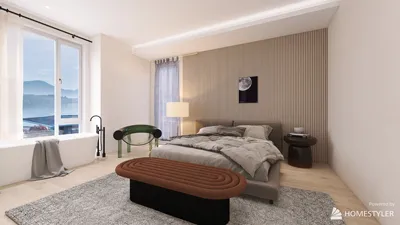


Floor mats serve functions beyond mere decoration. Selecting the appropriate mat not only enhances posture and reduces noise but also contributes to thermal comfort, instantly influencing the ambiance of a room. Research from Herman Miller has shown that standing on hard surfaces for more than two hours can lead to discomfort and fatigue; in contrast, using supportive mats can alleviate strain and enhance productivity. Studies by Steelcase have highlighted how sound-absorbing and soft-finish mats correlate with improved focus and overall well-being. These positive effects can be easily achieved with a thoughtfully chosen mat that complements both the architecture and the daily activities within your space, making tools like Homestyler invaluable for visualizing these elements.
The impact of color is as crucial as the material composition. Color psychologists reveal that warm hues provide energizing effects, whereas cooler tones are known to instill calmness and reduce stress. An overview of color psychology from Verywell Mind emphasizes that shades of blue and green are often linked with tranquility and stability, making them ideal choices for bedrooms or study areas; vibrant warm tones like terracotta or mustard introduce inviting visuals in living spaces. This aligns with WELL v2 standards, which advocate for acoustic comfort and glare management, illustrating how mats can be integral components in promoting well-being: for instance, softer fibers help minimize sound reverberation, and matte finishes aid in glare reduction within brightly lit environments. For further insights on how interior design affects health, check out WELL v2 guidance at wellcertified.com.
Selecting the Appropriate Material
The choice of material influences durability, feel, and ease of maintenance. Natural wool provides a perfect balance between resilience and softness while boasting inherent stain resistance due to its lanolin composition. Cotton mats are favored for their breathability and ease of washing, making them suitable for kitchens or children’s spaces. Synthetic blends, such as nylon and polypropylene, are particularly robust for entryways because they withstand abrasion effectively. For areas with heavy foot traffic, low-pile, solution-dyed nylon mats maintain their color and resist flattening. In moisture-prone areas, rubber-backed mats are essential to prevent slips and allow for rapid drying. When considering sustainability, opting for recycled PET mats with third-party low VOC certifications is a smart choice.
Size, Proportion, and Placement
Proportions play a vital role in both visual balance and functionality. In living areas, a mat should extend under the front legs of sofas and chairs to create an inviting, cohesive zone, with at least an 8' x 10' size recommended for medium rooms. In bedrooms, mats should extend 24"–36" beyond the sides of the bed to provide a comfortable stepping area. Dining spaces benefit from mats that extend 24" beyond the edge of the table, allowing chairs to move freely without getting caught. For hallways, runners are best when they leave a 3"–5" gap from the walls. If you're planning sightlines and flow before purchase, utilizing room layout tools like Homestyler can simulate dimensions, traffic patterns, and clearance requirements.
Texture, Pile, and Comfort
The texture of a mat significantly influences tactile comfort and maintenance. Low-pile or flatweave options, such as jute, sisal, and cotton dhurrie, are suited for high-traffic areas and easy to maintain. Cut-pile wool offers luxurious comfort underfoot and enhances sound absorption, making it ideal for spaces where comfort is key, like bedrooms and lounges. For tasks that require prolonged standing, such as cooking at an island, anti-fatigue mats with resilient foam cores provide joint support and help reduce strain. It's essential to balance texture with lighting: highly textured, high-pile mats might cast shadows in directional light, so they pair best with diffuse, warm illumination around 2700–3000K while adhering to glare control recommendations per IES standards.
Strategizing Patterns: Calm vs. Character
Patterns define a room's character. In smaller spaces, opting for small-scale, low-contrast patterns keeps the area feeling airy, while bold, large-scale designs work well in spacious rooms to create focal points. When layering textiles like curtains, upholstery, and throws, it’s effective to choose one standout pattern complemented by two solid colors. A traditional method could be a geometric mat paired with a solid sofa and subtly textured cushions. For entryways, opting for darker, mid-tone patterns helps disguise dirt between cleanings; extremely light mats may be impractical in muddy zones unless a dual-mat approach (a coarse scraper outside and a finer indoor mat) is implemented.
Acoustics and Noise Management
Hard flooring tends to amplify sound; however, mats help to mitigate this issue. Research from Steelcase has demonstrated that managing background noise can significantly enhance concentration. Dense mats covering expansive floor areas contribute to decreased reverberation time, thus minimizing footfall noise and echoes. For apartments, using rug pads adds mass and decoupling benefits, further reducing impact sounds below. To complete an acoustical package, pair mats with soft window treatments and bookshelves, eliminating the need for specialized soundproofing panels.
Ergonomics and Human Comfort
Comfort for humans is largely influenced by a range of postures and supportive surfaces. Prolonged standing on hard floors can increase fatigue in the lower limbs; therefore, anti-fatigue mats and cushioned rugs can alleviate pressure points. In home office setups, utilizing a low-pile mat beneath task chairs ensures smooth movement while avoiding potential tipping hazards. It’s also vital to ensure that thresholds are flush, as thick mats in doorways pose trip risks and hamper accessibility. In homes with children or elderly individuals, selecting mats with beveled edges and non-slip backs is essential for safety.
Layering Mats: Defining Zones Without Walls
Layered mat setups can effectively delineate functional areas, such as reading nooks or play zones, without the need for bulky partitions. Combine a broad neutral base mat with a smaller accent piece to create a layered depth effect, maintaining a reveal of 3"–6" between them for a purposeful appearance. In open-concept layouts, use color temperatures strategically: cooler palettes designate areas of focus, while warmer tones enhance social zones, echoing the space's behavioral patterns.
Maintenance, Cleaning, and Durability
Quality mats represent a worthwhile investment; regular maintenance is essential to prolong their lifespan. Use a vacuum cleaner with adjustable height settings to safeguard the fibers. Promptly spot clean spills—blot instead of rubbing—with a gentle detergent tailored to the fabric type. Rotating mats every six months helps distribute wear evenly, particularly under furniture legs. Consider integrating breathable rug pads to minimize slippage and protect the mat's integrity. In entryways, use mats alongside a shoe tray and encourage foot wiping to eliminate up to 70% of grit, which is a primary cause of wear on mats.
Light, Glare, and Color Stability
Exposure to sunlight can gradually fade dyes in mats. If your mat is positioned near a window, it's wise to select solution-dyed synthetics or naturally colorfast wool and implement window films or sheer curtains to decrease UV exposure. Striking a balance between natural and electric lighting is key: warmer light (2700–3000K) adds coziness to high-pile mats, while neutral white lighting (3500–4000K) helps maintain clarity in task-oriented areas. Moreover, avoid highly glossy finishes near mats to minimize perceived glare, in alignment with IES contrast management guidance.
Entryway and Wet Area Considerations
Entry mats endure heavy daily use. Look for textured scraper mats for outdoor settings and absorbent weaves for entryways. In areas like bathrooms and kitchens, quick-drying, antimicrobial mats with non-slip features are crucial. Ensure edges are beveled and check compatibility with your flooring; oil-finished hardwoods can react negatively to rubber mats. It's advisable to opt for alternatives like felt or PVC backing.
Budget and Sustainability Considerations
Mat prices should reflect their usage patterns and lifecycle. For lower-traffic bedrooms, invest in comfort through wool; in high-traffic entries, prioritize long-lasting options with solution-dyed synthetics. Sustainable materials like recycled PET and natural jute have lesser environmental footprints; always inquire about VOC emissions and obtain third-party certifications. When feasible, select timeless color schemes to minimize the need for frequent replacements and adhere to lasting trends.
Quick Planning Guide
- Room function: lounging, dining, task work, entry
- Traffic level: low, medium, high
- Material: wool, cotton, synthetic, jute, rubber backed
- Size: anchor furniture, ensure clear pathways
- Safety: non-slip features, beveled edges
- Lighting: color temperature, glare mitigation
- Acoustics: density, rug pad use
- Upkeep: cleaning routine, rotation
FAQs
Q1: What type of mat material is most suitable for high-traffic entryways?
A1: Mats made of solution-dyed nylon or polypropylene featuring a dense, low pile with rubber backing are ideal. Pair them with outdoor scraper mats to catch dirt before it enters.
Q2: How big should a mat be in a living room to properly anchor seating?
A2: A size of at least 8' x 10' is recommended for medium-sized rooms, ensuring the front legs of major seating components rest on the mat for cohesion. Larger spaces may benefit from 9' x 12' options or layered arrangements for enhanced coverage.
Q3: Do mats effectively reduce noise levels?
A3: Absolutely. Well-constructed, dense mats diminish reverberation and footfall noise; Steelcase research shows a direct correlation between good acoustic control and increased focus and comfort.
Q4: Which mat is best for use under an office chair?
A4: A flat, low-pile rug or a specialized chair mat is ideal. High-pile rugs can obstruct caster movement and raise the risk of tipping. Flat edges help prevent trips.
Q5: How can I keep mats from slipping on hardwood floors?
A5: Implementing a high-quality non-slip rug pad that is slightly smaller than the mat will help. For areas where rubber may react with the finish, consider using felt or PVC backing.
Q6: What colors foster a calming atmosphere in bedrooms?
A6: Soft shades of blue and green are regularly associated with tranquility and reliability, as noted in color psychology literature; paired with warm white lighting, they contribute to a cozy ambience.
Q7: Do anti-fatigue mats really benefit areas like kitchens?
A7: Yes, they do. Cushioned cores alleviate joint pressure during extended standing. The ergonomic studies conducted by Herman Miller emphasize the importance of supportive surfaces in reducing fatigue.
Q8: How often should I clean and rotate my mats?
A8: Regular vacuuming is essential, with immediate spot cleaning as required. Rotate mats every six months to distribute wear evenly, while entry mats may need more frequent maintenance due to foot traffic.
Q9: Is it possible to layer mats in smaller spaces without adding clutter?
A9: Yes, by utilizing a neutral base with a smaller accent mat and maintaining a subtle reveal (3"–6"), you can achieve this while keeping patterns understated to prevent overwhelming the space.
Q10: Are natural fibers a more sustainable option?
A10: Natural fibers like wool and jute can indeed be sustainable, particularly when sourced responsibly. Recycled PET is another environmentally friendly choice; always check for VOC and durability ratings.



Looking to transform your home? Homestyler offers an intuitive online design tool and stunning 3D renderings to visualize your ideas. Dive into a wealth of inspiring design projects and easy DIY video tutorials. It's perfect for both beginners and seasoned designers alike!
Diseño ahora GRATIS
































