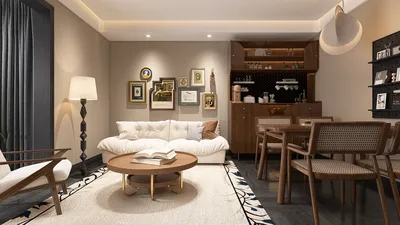


For over a decade, I have chosen room coolers for various settings including homes, studios, and small offices. The best selection relies less on the wattage of the unit and more on factors such as climate, room dimensions, and usage patterns. It's crucial to align your cooling techniques, airflow designs, and sound levels with your daily activities. Ensuring that sizing and installation are based on real-world data and studies is equally important, especially when utilizing tools like Homestyler to visualize your space effectively.
Cooling is not just about regulating temperature. Studies in the workplace have indicated that comfort significantly influences productivity and overall well-being. According to Gensler’s research, the quality of the environment correlates with performance, while the WELL v2 Standard emphasizes that thermal and acoustic comfort are vital elements for supporting occupant health. This standard encourages designs that provide stable thermal conditions and manageable noise levels, both of which directly impact our choices for room coolers. Detailed guidelines can be found in the WELL v2 documentation presented by the International WELL Building Institute, which can be complemented by integrating lighting and comfort recommendations from IES to enhance visual ease in workspaces.
Understanding What Defines the 'Best Cooler'
The term 'best' is contingent on climate and intended use. In regions characterized by hot and dry weather, an evaporative cooler, commonly known as a swamp cooler, can achieve significant temperature reductions with minimal energy usage. Conversely, in more humid areas, a portable air conditioning unit or a heat pump mini system proves more effective, as evaporation is less efficient when indoor air is already saturated. For those who only require a slight decrease in temperature while keeping windows open, a simple air circulator or window fan may suffice, particularly during night hours.
Key Categories of Room Coolers
Ideal for hot, dry areas: These coolers pull warm air through wet pads, causing water evaporation and resulting in a drop in air temperature.
Best suited for mixed or humid climates lacking fixed HVAC systems: These systems utilize a compressor and require venting to allow air exchange with the outside ambiance.
Most effective for rooms with appropriate window or wall openings for continuous summer use.
Ideal for efficiency year-round: Permanently installed or portable heat pumps cater to four-season requirements.
Best utilized for nighttime cooling in dry climates, leveraging coastal breezes, or in situations where air conditioning is not warranted.
Sizing and Evidence: Ensuring Accuracy with Numbers
Both overcooling and undersizing can lead to discomfort. Typically, a guideline for portable air conditioning units suggests a baseline of 20 BTUs per square foot under standard conditions. Adjust this figure based on factors like exposure to the sun, room occupancy, and appliance loads, while moderately decreasing it for shaded, insulated areas. When it comes to evaporative coolers, the focus should be on airflow volume (CFM). Hot, dry environments often benefit from achieving 20-40 air changes per hour during peak temperatures, where aligning CFM with room dimensions and desired ACH is essential. I also routinely confirm acoustic comfort, aiming for background levels around 30-40 dBA in bedrooms and about 40-45 dBA in living rooms to ensure clarity in conversation and comfort.
Health and Thermal Comfort Considerations
Thermal comfort encompasses more than just temperature. According to the WELL v2 framework, it requires a balance of air temperature, mean radiant temperature, airflow, and humidity. Units like portable ACs and window air conditioners often come equipped with dehumidification features that help maintain indoor relative humidity in the recommended range of 30-60%. In dryer climates, evaporative coolers contribute moisture, preventing the indoor humidity from dropping to uncomfortable levels. It is advisable to combine cooling strategies with glare control and layered lighting; following IES standards helps in reducing high-contrast glare near work areas, which also contributes to an overall cooler and more tranquil environment.
Different Room Types: Effectiveness by Context
Select quieter units that have sleep modes and soft airflow. It's best to avoid directing airflow straight onto the bed to minimize dryness or drafts. In moist environments, options like small dual-hose portable air conditioners or quiet window units are typically the safest bets. Aim for background noise levels that remain below the low 40s dBA for those sensitive to sound during sleep.
Creating an environment that fosters social interaction while cooling is key. In dry settings, a medium-sized evaporative cooler paired with effective cross-ventilation yields excellent results. In humid conditions, a dual-hose portable air conditioner with a capacity of 10,000 to 12,000 BTUs can effectively manage open-concept living areas, as long as solar heat gain is moderated using shades.
Prioritizing acoustics and visual comfort is crucial. Opt for quiet, efficient units; for those working from home or on calls, a ductless mini heat pump or a remarkably quiet window unit will perform well. Employ diffusers or indirect air pathways to prevent any rustling sounds that could interfere with communication. Positioning units to the side or behind the desk can also help in minimizing visual distractions in the background.
Tips for Airflow, Placement, and Layout
The flow of air is just as significant as the capacity of the unit. I typically position coolers to create a flow across circulation routes rather than directing air straight at seating. In rectangular rooms, place the supply unit along a short wall and establish an exhaust or return path opposite to foster a gentle pressure gradient. Avoid blocking airflow with tall furniture pieces. If you are experimenting with furniture arrangements and appliance placements, a room layout tool—like Homestyler—can be invaluable for visualizing air movement and appropriate clearances.
Noise, Lighting, and Patterns of Daily Use
Various portable ACs and evaporative coolers emit unique sound profiles, whether it's the thumping of a compressor or the whirring of a fan. For areas meant for reading or working, it's advisable to place high-speed fan settings above ear level, while integrating warm to neutral task lighting (between 3000-4000 K) allows for a more relaxed atmosphere. During nighttime hours, pre-cool living spaces and operate at lower fan speeds in bedrooms to minimize disruptions to sleep stages.
Sustainability and Energy Considerations
In dry climates, evaporative coolers excel at energy efficiency and also improve air quality by introducing fresh air, reducing the need for recirculation. For mixed climates, prioritize units with higher EER/CEER ratings for both window and portable air conditioners, and consider inverter-driven mini heat pumps for superior performance throughout the year. Proper sealing of gaps, window shading, and employing ceiling fans can enhance perceived cooling sensations by 2-4°F without additional strain on the compressor.
Quick Overview: Matching Climate with Cooler Types
Maintenance and Air Quality Indoors
For evaporative cooler maintenance, it is essential to replace or clean pads each season, sanitize water tanks, and address mineral build-up. For compressor-based units, filters should be cleaned monthly during peak usage, ensuring coils are free from dust and checking seals to prevent air infiltration. Regular maintenance is key to preserving dehumidification effectiveness and minimizing noise.
Insights from Research and Standards
- Comfort is multi-faceted: air temperature, airflow, humidity, illumination, and sound levels collectively influence performance and wellness, as emphasized by recommendations from WELL v2 and lighting comfort guidelines from IES.
- Select cooling systems that correspond to the climate: evaporative coolers are preferable in dry conditions, compressor-based units in humid areas, and air circulators can be beneficial when natural cooling strategies are employed, albeit without lowering air temperature in still, humid conditions.
- Correct sizing and strategic placement can minimize noise and drafts, which enhances the actual comfort experienced.
Common Questions
An evaporative cooler typically stands as the most energy-efficient option in hot, dry climates when evaporation achieves significant temperature reductions with low power consumption, along with the benefit of air exchange.
Yes, dual-hose designs help mitigate negative pressure and minimize heat re-circulation, thereby speeding up cooling and increasing energy efficiency, particularly in rooms that may leak air or receive direct sunlight.
Start with a baseline of approximately 20 BTUs per square foot, then modify according to sunlight exposure, occupancy, insulation, and heat generated by equipment. A slightly smaller unit, paired with optimal placement, can often provide a quieter and more comfortable experience than an oversized option.
Cooling efficiency declines significantly as humidity levels rise. If indoor air is already nearly saturated, evaporation will introduce moisture without providing substantial cooling. Under these circumstances, a compressor-based air conditioner is recommended.
Ductless mini heat pumps are generally the quietest, closely followed by well-installed window units set to low fan modes. Among portable options, those equipped with designated sleep settings and low-vibration compressors are preferred.
Fans primarily facilitate airflow rather than reducing temperature but can enhance evaporative cooling from the skin, making you feel cooler by 2-4°F. They work best when combined with night flushing or in tandem with air conditioning systems.
Ensure supply air flows across the room with a clear return or exhaust path on the opposite side. Avoid directing airflow at seating areas or beds. Leveraging a layout simulation tool, such as Homestyler, can help visualize furniture and unit placements before making final decisions.
Many comfort frameworks suggest maintaining relative humidity levels between 30-60% for optimal comfort. Portable and window air conditioners can assist in sustaining this range during humid seasons, while evaporative units can elevate humidity levels in dryer climates.
Position bright lights out of direct lines of sight near cooling units, utilizing warm-neutral task lighting to lessen perceived harshness. Minimizing glare is essential for visual comfort and complements thermal comfort requirements.
If both heating and cooling are needed with greater efficiency than resistive heaters, then this is a viable option. For the best sound insulation and permanent installations, ductless mini systems generally outperform most portable solutions.
Regularly clean or change filters during periods of high use, ensure coils are kept clean, and seal window or hose kits; for evaporative units, sanitize tanks and replace pads at the beginning of each season.
Evaporative coolers introduce outdoor air, which helps dilute indoor pollution, assuming the outdoor air quality is good. In contrast, compressor units recirculate air but filter it; periodically incorporating ventilation and filtration can enhance the overall indoor air quality.
Homestyler is your go-to online home design platform, perfect for transforming your vision into reality. Its user-friendly design tool, stunning 3D renderings, and a wealth of video tutorials empower you to create and personalize your dream space, regardless of your experience level. Dive in and get inspired!
Diseño ahora GRATIS
































