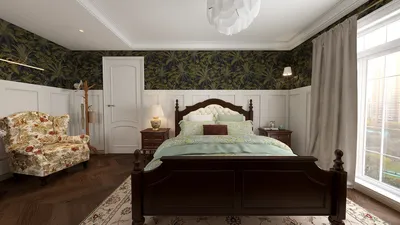


Selecting carpet for a child's room is a long-term design choice that impacts your family's lifestyle for years to come. It's crucial to find the right blend of comfort underfoot, trustworthy indoor air quality, and durability to withstand forts, crayons, and the occasional juice spill. When taking on family projects, I prioritize materials that emit low levels of harmful substances, have dense construction, and are easy to clean without the need for harsh chemicals. The WELL v2 guidelines emphasize limits on VOCs and encourage flooring options that promote better indoor air quality, which is vital for children's spaces (WELL v2 Features X06/X07). Additionally, research from Steelcase indicates that well-planned sensory environments—including texture, acoustics, and illumination—promote calmness and focus, making your choice of flooring an important design element beyond mere aesthetics (Steelcase Research).
Alongside softness, durability and noise control are important considerations. The Illuminating Engineering Society (IES) suggests layered strategies to minimize glare and manage contrast, where the choice of flooring color and texture plays a supportive role in reducing reflective hotspots in natural light or LED illumination (IES Lighting Design Principles). On the acoustic front, carpeting can effectively decrease high-frequency sounds and foot traffic noise, making it beneficial for both playtime and bedtime routines. In multi-level homes, I opt for dense carpets paired with felt or fiber padding to mitigate noise transmission between floors.
Essential Factors in Selecting Carpets for Kids' Rooms
- Fiber safety and emissions: Opt for carpets and padding with low-VOC ratings to promote healthier indoor air (in line with WELL v2 low-emission standards).
- Softness versus cleanability: Find the right balance between a plush feel and stain resistance for easy upkeep.
- Acoustic comfort: Select dense carpeting along with a high-quality padding to absorb sound effectively.
- Color psychology and mood: Use calming mid-tones for sleeping areas, and vibrant accents near play areas to encourage energy.
- Durability: Choose carpets with a higher face weight and tight twist to resist matting over time.
- Sustainability: Whenever possible, select carpets made from recycled materials or those that offer take-back programs.
- Edging and transitions: Opt for smooth edges to prevent tripping at doorways and around adjoining flooring.
Ideal Fiber Selections for Children's Spaces
Nylon (preferably solution-dyed): My preferred choice for high-traffic areas in kids' rooms due to its remarkable resilience and stain resistance. It springs back after heavy use and holds color exceptionally well. Solution-dyed nylon also resists fading, making it ideal for sunny windows.
Triexta (PTT): Naturally resistant to stains without the need for heavy chemical treatments; it’s an excellent option for families looking to limit their exposure to harsh cleaners.
Polyester: An affordable, soft option that resists stains well, making it suitable for light-traffic rooms or as a flooring refresh every 7–10 years.
Wool: Offers a premium texture, natural flame resistance, and sound absorption capabilities. While it regulates humidity well, it demands more careful maintenance and generally has a higher initial cost. I use wool in tween and teen rooms or nurseries where a timeless, durable carpet is preferred.
Understanding Pile Types and Their Everyday Use
Textured cut pile: This type is soft, versatile, and forgiving regarding footprints and vacuum markings—perfect for bedrooms.
Frieze (twist): The casual, curled appearance cleverly conceals crumbs and footprints, making it ideal for active playrooms.
Low loop (level loop/berber-style): Extremely durable and easy to clean, though be cautious with loop tightness to prevent snags from toys. For safety, maintain tight, low loops.
Cut-and-loop patterns: These offer a subtle design to disguise wear while retaining a soft texture.
Padding: The Unsung Hero of Carpet Performance
Investing in high-quality padding is essential. A rebond or felt pad with a density of 6–8 lbs enhances carpet durability and comfort. For homes sensitive to chemicals, it’s advisable to choose pads with certified low emissions and to steer clear of crumb rubber that emits strong odors. For upper floors, I prefer felt or fiber pads that provide superior sound dampening and a supportive feel. Moisture-resistant barriers are beneficial for families with toddlers and pets, but ensure they don't trap moisture— have your installer verify substrate dryness.
The Influence of Color, Light, and Psychology
Colors can significantly impact behavior. Verywell Mind lists blues and greens as soothing, while yellows often enhance cheerfulness—these should be used in moderation to prevent overstimulation (Verywell Mind: Color Psychology). I balance colors with the room's lighting: warm LEDs (2700–3000K) create a cozy feel for the evening, while neutral tones (3500–4000K) are beneficial for homework and play. To mitigate glare or harsh contrasts in natural light, I select carpets with mid-LRV (light reflectance value), typically in soft taupe, misty green, or muted blue, and then layer color through rugs and textiles.
Considerations for Allergies and Air Quality
For families with allergies, choosing a densely constructed carpet that emits low levels of pollutants, combined with HEPA vacuuming and regular maintenance, keeps dust and allergens to a minimum. The WELL v2 guidelines advocate for filtration and source control; selecting low-VOC flooring and ensuring proper off-gassing before moving in is a critical part of this process. If sensitivities are a concern, wool can provide a buffer against humidity and absorb certain airborne contaminants, while solution-dyed synthetic options minimize the use of chemical dyes and may come with low-emission backing.
Safety and Edge Considerations
- Specify low-profile edges at doorways to minimize tripping hazards.
- Choose bound or serged edges for area rugs placed over carpeting to prevent toys from becoming caught.
- Avoid high loops in environments with push toys or pets to lower snagging risks.
- Secure larger rugs with non-slip pads designed for use over carpet.
An Effective Maintenance Routine
- Vacuum 2–3 times a week in play areas, and use the beater bar set to an appropriate pile height.
- Immediately blot spills; start with a neutral pH cleaner and reserve oxidizers for tougher organic stains.
- Schedule professional hot-water extraction every 12–18 months to extend the life of your carpet.
- Rotate area rugs seasonally to ensure color and wear are even.
Layout Tips: Maximizing Carpet Effectiveness
In shared bedrooms, I often suggest wall-to-wall carpeting while layering a washable area rug to delineate a reading nook. In playrooms, I recommend carpeting the central area for acoustics and comfort, using more resilient flooring (like LVP or rubber) in craft corners for simpler cleanup. If you're experimenting with furniture layouts or sightlines, a quick use of an interior layout planner can help visualize movement and anchor spaces before committing to cuts and seams. Discover more using a layout simulation tool like Homestyler to simulate bed positioning, desk locations, and areas for activities.
Top Recommendations by Scenario
Nursery: Soft textured cut pile in triexta paired with a felt pad for quiet naps and effortless cleaning. Opt for soft greens or powder blues to promote restfulness.
Shared siblings' room: Solution-dyed nylon frieze; durable, playful, and resistant to stains. Use a medium tone to conceal footprints, and add vibrant washable rugs for character.
Home for allergy sufferers: A low-emitting wool loop with tightly woven, low loops and a natural felt pad; balanced with HEPA cleaning and mindful humidity management.
Budget-conscious refresh: Polyester textured cut pile with a 6–8 lb rebond pad; select patterned designs to help hide wear.
Evaluating Samples Effectively in the Studio
- Conduct a bend test for tuft retention and look for minimal shedding.
- Assess face weight and twist; higher values usually indicate better durability.
- Rub a white cloth on the carpet to check for colorfastness and excess dye.
- Examine the color under warm and neutral LED lights to assess color shift and shine.
- Press your fingernails into the pile; it should spring back swiftly.
Budgeting for Lifespan and Quality
With proper care, anticipate a quality carpet in a child's room to last between 7 to 12 years. Nylon and triexta offer the best durability in high-energy environments; polyester may suit shorter refresh cycles. Wool boasts the longest potential lifespan if properly maintained. When budgeting, set aside 15-25% for padding and expert installation—careful seam placement and power stretching can significantly enhance durability. If sustainability matters, inquire about recycled materials, take-back programs, and local manufacturing to minimize transportation impacts.
Frequently Asked Questions
Q1: Which carpet pile is best for a toddler's room?
A textured cut pile or low frieze offers comfort, hides tracks well, and prevents matting—ideal for crawling and early steps.
Q2: Which fiber is best for handling spills?
Triexta and solution-dyed nylon are excellent for their stain resistance and ease of cleaning, making them ideal for snack times.
Q3: Is wool suitable for children with allergies?
Wool can help manage humidity levels and absorb certain substances, though sensitivities may differ. It’s best to pair it with HEPA vacuuming and select low-emission backings.
Q4: In what ways can carpet enhance room acoustics?
A dense pile combined with quality fiber or felt pads can minimize footstep noise and high-frequency sounds, contributing to a calmer atmosphere for both play and sleep.
Q5: What color schemes are best for promoting sleep?
Soft hues like blues and greens are linked to calmness and rest, while overly vibrant colors can overstimulate; use bold accents judiciously (Verywell Mind: Color Psychology).
Q6: Should I use a moisture barrier pad?
Ideal for homes with toddlers and pets, but ensure your subfloor is dry and select breathable materials to prevent moisture trapping.
Q7: How frequently should I deep clean my carpets?
Schedule professional hot-water extraction every 12 to 18 months, or more often for high usage or allergy concerns.
Q8: Are looped carpets at risk of snagging?
High or loose loops can catch on toys; it’s safer to choose tight, low loops for children's areas.
Q9: What lighting temperature complements carpets best?
Choose 2700–3000K for cozy evenings and 3500–4000K for focused activities. Picking mid-tone carpets can help avoid glare and harsh contrasts under mixed lighting conditions (IES guidance on contrast control).
Q10: How do I plan seams and furniture arrangements?
Try to minimize seams in high-traffic areas and under rolling chairs. Before placing orders, use a room design visualization tool to organize furniture placement and ensure smooth traffic flow.
Homestyler is your go-to online home design platform! With its user-friendly design tool, stunning 3D renderings, extensive design projects, and helpful video tutorials, you can effortlessly create and visualize your dream space. Transform your home design ideas into reality with ease!
Diseño ahora GRATIS
































