


Vintage Living Rooms Unpacked: A Style Deep Dive
The "VintageLivingContest" on Homestyler focuses on one clear theme: a nostalgic living room that feels like time travel, yet still works for modern life. "Vintage" here is not a single decade, but a curated mix of historical moods — from fifties charm to ancestral houses and clockmakers’ studios. In interior terms, this vintage living style is defined by three big ideas: 1. A warm, layered color palette that feels slightly aged. 2. Architectural bones that reference the past: arches, panelling, classic moldings. 3. Storytelling through objects: memorabilia, clocks, family photos, patina and texture. All the top entries — from "Vintage Chocolate and Blue" to "Memorabilia" and "Vintage Living" — build on these principles in different ways, showing that vintage is less about copying a museum and more about evoking memory and atmosphere.
Using Homestyler to Build a Vintage Living Space
In Homestyler, you can quickly sketch this style by: - Choosing classic wall and ceiling templates (arches, beams, moldings) in the 3D editor. - Applying warm, muted color schemes to walls and upholstery with the material library. - Dragging in period furniture, clocks, framed art and decorative props from the model library. - Fine-tuning lighting in the 3D rendering tool to create a golden, slightly nostalgic glow. Because Homestyler is a full 3D rendering environment, you can test different decades, mix eras, and instantly see how your vintage living room feels from every angle before committing to a final design.

Above: Scott Vallinger's work Young ClocksSmith 🕰 shows how a single narrative object — here, the clock — can anchor an entire vintage story. In Homestyler, you can recreate a similar mood by combining industrial textures, traditional wood furniture and carefully positioned task lighting, then letting the 3D render highlight the hero piece.
Color Stories, Layouts and Details: Core Elements of Vintage Living
Vintage living rooms aren’t defined by one fixed recipe, but the top Homestyler entries reveal three recurring design pillars: color, spatial structure, and decorative storytelling. Below, we break down each element and show it in action using specific contest works.
🎨 Element 1: Warm, Nostalgic Color Palettes
Color is the first cue that a room belongs to another era. Vintage spaces almost always lean into warmth and softness: - Browns, caramels and sepias that feel like aged photographs. - Muted blues and greens, more dusty than bright. - Off-whites and creams instead of stark pure white. In "VintageLivingContest" entries, this shows up beautifully in combinations like chocolate with powder blue, or black and cream softened by warm lighting.

Marilyn Hertel's Vintage Fifties shows a carefully balanced palette: creamy walls, soft pastels and grounded darker accents. The result feels undeniably mid-century without becoming kitsch. In Homestyler, you can recreate this kind of palette by: - Picking a warm-neutral base in the paint options for walls and ceilings. - Applying pastel fabrics from the material library to sofas and chairs. - Using the 3D rendering tool to adjust white balance and light warmth, pushing the scene away from cold blue light into a more nostalgic, golden tone. Because Homestyler lets you instantly swap materials, it’s easy to test different vintage palettes — from fifties pastels to seventies browns — and see which story fits your living room best.
📐 Element 2: Classic Architectural Structure
The bones of a vintage living room are rarely minimal or ultra-sleek. Instead, you’ll often see: - Visible wood structures: beams, panelling, staircases. - Traditional window shapes and solid doors. - Layered wall treatments: wainscoting, wallpaper, picture rails. These elements frame the furniture and instantly give the room a sense of age and permanence.

Chen Sumagaysay's ancestral house is a masterclass in using architecture as a vintage device. Heavy wood elements, traditional openings and layered surfaces make the space feel like it has witnessed generations of life. To achieve similar structure in Homestyler: - Start with a room template that includes classic wall heights and window placements. - Add beams, columns or panelling from the building components library. - Use the 3D rendering view to walk through the room and check how these elements frame your sofa, fireplace or main seating area. Homestyler’s precise 3D modeling ensures that once you’ve tested your vintage structure virtually, it’s much easier to translate the concept to real renovation work.
🕰 Element 3: Decorative Storytelling & Memorabilia
What truly makes a living room "vintage" isn’t just old furniture — it’s the stories embedded in the objects: - Clocks, radios, typewriters and analogue technology. - Framed family portraits, travel photos, sepia prints. - Collections: books, vinyl, ceramics, heirlooms. These pieces create narrative layers that turn the room into a living archive.

In Ellen Ellebel's work Past tense, the styling leans heavily on curated objects: books, decor, and artwork that read like fragments of a personal history. The furniture and palette are important, but it’s the small things that give the design emotional weight. With Homestyler, you can quickly experiment with decorative storytelling by: - Dragging different prop sets (books, art, pottery, clocks) from the model library onto shelves and tables. - Using multiple camera angles in the 3D rendering tool to see how each vignette reads visually. - Saving several design versions, each with a distinct narrative focus — for instance, a "travel memorabilia" version versus a "family archive" version — and comparing them side by side. Because Homestyler is non-destructive and instant to edit, you can refine your vintage story until every object feels intentional.
Highlight Works: How Designers Interpret Vintage Living
The richness of the "VintageLivingContest" comes from the diversity of interpretations. Here are a few standout works that show how flexible the vintage living style can be while still feeling coherent.

Mary Ann Arroyo's Black Living Room proves that vintage doesn’t have to be light and pastel. Deep black surfaces, combined with classic silhouettes and warm lighting, create a sophisticated, almost cinematic vintage mood. In Homestyler’s 3D environment, you can test brave, dark palettes without risk: paint walls black, add vintage-style seating, then use the rendering settings to introduce soft, directional light so the room remains cozy rather than oppressive.
As seen earlier, Marilyn Hertel's Vintage Fifties channels a specific decade with color and furniture choices. In Homestyler, you can follow a similar route by filtering the furniture library for mid-century pieces, then layering appropriate props (retro lamps, classic radios) and fine-tuning the render to enhance the period feel.
Finally, Scott Vallinger's Young ClocksSmith 🕰 leans into a workshop-like narrative, using mechanical details and focused light to create a unique twist on vintage living. This shows that within Homestyler, your vintage living room can be as much about a craft or profession as about domestic nostalgia.
Common Questions About Designing Vintage Living Rooms
Q: How do I start building a vintage living room concept in Homestyler?
Begin with the architectural shell: choose a room layout, add classic wall finishes (panelling, arches, moldings), then set a warm, nostalgic color palette. After that, drag vintage-style furniture and props from the Homestyler model library into the space, and use the 3D rendering tool to test different lighting scenarios until the room feels cozy and historical.
Q: Can I mix different decades in one vintage living room?
Yes. Many "VintageLivingContest" entries successfully combine elements from multiple eras. The key is to keep a consistent color story and avoid clutter. In Homestyler, you can mix fifties seating with older architectural features and modern lighting, then rely on the 3D preview to check whether the overall composition still feels balanced.
Q: How important is lighting when rendering vintage style?
Lighting is critical. Vintage rooms usually feel warm and slightly soft, not harsh or clinical. In Homestyler’s 3D rendering tool, adjust light temperature towards warm tones, use table and floor lamps instead of only overhead light, and experiment with shadows to highlight textures like wood, fabric and brick. This will reinforce the nostalgic mood even if your furniture is relatively simple.
Q: What if my real space is very modern — can I still achieve a vintage look?
Absolutely. Use Homestyler to virtually add vintage layers: traditional wall colours, retro-style furniture, older-looking decor and framed art. Once you find a combination that works in 3D, you can implement the most impactful elements in the real room, such as changing the paint, adding a key vintage sofa, or creating one feature wall with memorabilia.


Modern Solid Wood Brass Accent Sideboard Cabinet with Starburst Pattern 3D Model
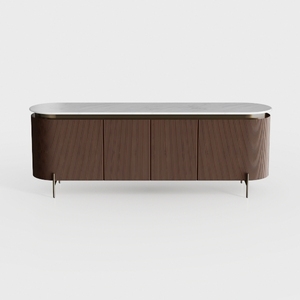
Modern Marble Top Walnut Fluted Metal Sideboard 3D Model
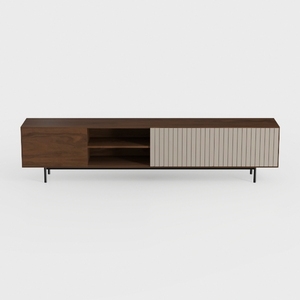
Modern Minimalist Walnut Cane TV Stand With Open Storage 3D Model
Homestyler offers an easy-to-use online design tool packed with stunning 3D renderings, inspiring interior projects, and helpful DIY video tutorials. It’s perfect for anyone looking to create beautiful home designs effortlessly. Try it to bring your ideas to life!
Diseño ahora GRATIS