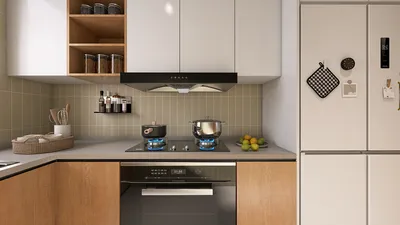


Direct Answer
Captain’s chairs enhance comfort and add visual prominence to dining tables, whereas traditional armless dining chairs offer greater seating versatility and conserve space. The best choice depends on the size of the room, table configuration, and typical dining duration.
In most of my design projects, a mixed arrangement—with captain’s chairs positioned at the table ends and side chairs along the sides—strikes the ideal balance among comfort, aesthetics, and functionality.
Key Highlights
Introduction
When comparing captain’s chairs and dining chairs, many homeowners consider style as the main distinction. However, after more than ten years designing dining areas, I’ve learned that this perspective overlooks crucial factors.
The decision encompasses comfort, spatial arrangement, visual harmony, and practical daily use of the dining table. I've encountered scenarios where elegant captain’s chairs overcrowded the table, while plain side chairs rendered the space incomplete.
Before finalizing your choice, it’s beneficial to visualize your entire room layout. I frequently advise clients to simulate furniture placement and circulation to understand the impact of chair spacing and wall proximity.
This guide explores the fundamental differences between captain’s chairs and standard dining chairs—including ergonomics, spatial considerations, and often overlooked cost implications.
What Defines a Captain’s Chair in Dining Furniture
Insight: A captain’s chair is essentially an armchair designed to anchor the heads of a dining table.
Its hallmark is the presence of armrests connecting the seat and backrest. Historically reserved for the "captain’s" or host seats, these chairs generally occupy the head and foot positions at rectangular tables in modern interiors.
Common features include:
Furniture historians trace captain’s chairs to colonial-era dining rooms, where the host’s chair was larger and more comfortable—a tradition that continues as a design convention today.
From experience, the arms create a sense of defined personal space, naturally assigning guests to these seats.
Key Differences Between Captain’s Chairs and Standard Dining Chairs
Core distinction: armrests versus armless design, which influences width, adaptability, and visual proportion.
Typical comparisons in actual dining spaces include:
A common oversight: purchasing six captain’s chairs for a medium-sized table, only to discover that four is the comfortable maximum.
Comfort and Ergonomics Comparison
Insight: Captain’s chairs generally provide superior comfort, only if the table height and arm clearance are properly aligned.
Armrests alleviate shoulder strain during prolonged meals or events. For gatherings exceeding two hours, the comfort difference becomes appreciable.
However, a frequent error is incorrect measurement.
If armrests are positioned too high, they collide with the table apron preventing the chair from sliding fully inward, causing users to sit farther away from the table.
Ideal ergonomic standards include:
Many manufacturers overlook this, causing captain’s chairs to sometimes feel awkward in real dining scenarios.
Style and Visual Impact at the Dining Table
Insight: Captain’s chairs establish hierarchy and symmetry, making them ideal when used selectively by designers.
In design, contrast often yields a more compelling composition than uniformity.
This is why many designers recommend:
This approach is particularly effective in transitional and contemporary interiors.
Previewing the dining room visually before purchasing furniture—using tools like Homestyler—can help prevent design mistakes by illustrating the scale and proportion of chairs within the space.
Interestingly, placing identical chairs on all sides can make a dining area resemble a conference room rather than a cozy gathering spot.
Space Requirements and Table Fit
Insight: Captain’s chairs demand more clearance around the table, affecting room flow significantly.
Effective dining room layouts account for more than just chair dimensions—they require unobstructed circulation space.
Common spacing recommendations are:
In compact homes, large armchairs may hinder movement and disrupt spatial harmony. I’ve seen elegant dining rooms feel cramped due to overly wide chairs.
Cost and Long-Term Value Comparison
Insight: Captain’s chairs come with a higher upfront investment but can elevate the perceived quality of the dining area.
Typical price considerations:
The increased cost stems from larger frames, intricate joinery, and complex upholstery work.
However, there is a practical cost to note.
Because captain’s chairs stand out visually, mixing or replacing them later can be challenging, whereas side chairs are easier to swap or update over time.
Selecting the Best Option According to Dining Room Size
Insight: The dimensions of the space should guide your choice more than mere stylistic preference.
In my experience designing residential dining spaces, this rule reliably applies:
For open-concept kitchens and dining areas, planning both zones simultaneously is essential. Many owners create detailed layouts of kitchen and dining zones before selecting furniture, minimizing overcrowding later.
Summary Answer
Captain’s chairs provide enhanced comfort and impactful aesthetics, while traditional dining chairs optimize seating capacity and spatial versatility. Most thoughtfully designed dining rooms combine both, typically featuring captain’s chairs at the ends and armless chairs at the sides.
Final Summary
FAQ
Are captain’s chairs better for dining tables?
They are usually more comfortable due to armrests but occupy more space. Many dining setups perform best with two captain’s chairs complemented by side chairs.
What is the difference between a captain’s chair and a dining chair?
A captain’s chair includes armrests and tends to be wider, whereas a standard dining chair is typically armless to maximize seating density.
Should every seat at a dining table be a captain’s chair?
Not usually. Employing captain’s chairs exclusively often decreases seating capacity and can crowd medium-sized tables.
Do captain’s chairs fit under dining tables?
Only if the armrest height is lower than the table skirt. It’s crucial to measure clearance prior to purchase.
Are captain’s chairs more comfortable?
Yes, especially for extended meals, because armrests relieve shoulder and elbow pressure.
Do captain’s chairs make a dining room look bigger?
Typically not. While they add a sense of solidity, they may visually shrink smaller rooms.
How many captain’s chairs should a dining table have?
Most rectangular tables incorporate two—one at each end—to establish balance without overcrowding.
Are captain’s chairs worth the extra expense?
If comfort and visual prominence are priorities, they often are. For limited spaces, side chairs might offer better value.

Homestyler is an easy-to-use online home design platform featuring powerful 3D rendering, a vast collection of interior decoration projects, and helpful DIY video tutorials. It’s perfect for turning your design ideas into stunning, realistic spaces quickly and effortlessly.
Diseño ahora GRATIS
































