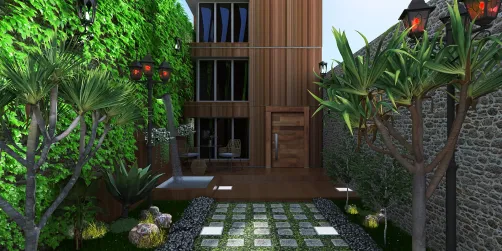
Enhancing the curb appeal and functionality of your home often involves the pivotal project of building exterior steps. Well-designed steps not only grant access to your residence but also act as a delightful feature that can boost your property's overall visual appeal. This article will delve into various dimensions of constructing exterior steps, such as material selection, design inspiration, and a comprehensive guide to building your own. First, it’s vital to assess the location and purpose of your steps. Are they directing visitors to your front entrance, or perhaps leading to a patio or garden area? Understanding their intended use will aid you in deciding the appropriate height, width, and style. For instance, steps that lead to a front door might require a more formal appearance, whereas those leading to a backyard can have a more casual and rustic essence. Next, contemplate the materials you wish to incorporate for your exterior steps. Common selections include wood, concrete, stone, and brick, each offering distinct characteristics and maintenance demands. For example, wooden steps provide a warm, inviting ambiance but may necessitate more upkeep than concrete or stone alternatives. Conversely, concrete steps are durable and require minimal maintenance, though they might lack the visual charm of natural materials. After choosing your materials, it’s time to focus on the design of your steps. Consider the area’s dimensions and slope where the steps will be erected. A general guideline for step height is roughly 7 inches, while the tread (the flat surface of the step) should be around 11 to 12 inches deep for comfortable usage. Ensure to include a landing area at both the top and bottom of your steps for safety and ease of movement. Now, let's begin the construction process. Start by marking the designated area where your steps will be built. Use stakes and strings to outline the shape and size. Next, excavate the space to create a solid foundation for your steps. For wooden steps, you may need to construct a frame using pressure-treated lumber, ensuring it is level and secure. If using concrete or stone, you'll want to create forms to mold the steps as you pour the material. During the building phase, pay close attention to aligning and leveling each step; utilizing a leveling tool can ensure that everything remains stable and even. If wood is your choice, applying a weatherproof sealant is advisable to protect against adverse weather conditions. For stone or brick steps, proper mortar application is crucial for maintaining stability and visual appeal. Lastly, once your steps are finalized, remember to add those finishing touches. Landscaping the surrounding area can elevate the overall aesthetic, or you may consider adding railings for enhanced safety. Decorative features like outdoor lighting can further highlight your exterior steps, transforming them into a striking focal point of your home. In conclusion, constructing exterior steps is a fulfilling endeavor that can greatly improve both the functionality and curb appeal of your property. By meticulously planning your design, selecting suitable materials, and adhering to a structured construction protocol, you can create stunning steps that are both practical and eye-catching. Regardless of whether you're a seasoned DIY enthusiast or a novice, this project offers a fantastic opportunity to enhance your outdoor space. Keep in mind that every step taken in building these exterior steps with tools like Homestyler brings you closer to achieving a more welcoming and functional home!
welcome to Homestyler
Homestyler is an amazing online home design platform that empowers you to create stunning interiors effortlessly. With its user-friendly design tool, realistic 3D renderings, diverse design projects, and helpful DIY video tutorials, you can easily transform your vision into reality.