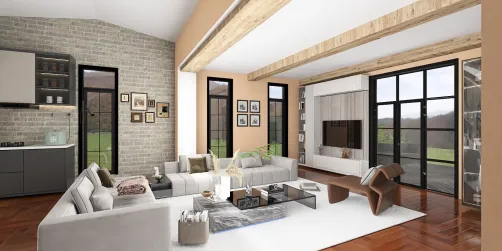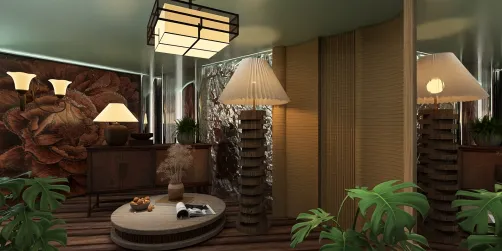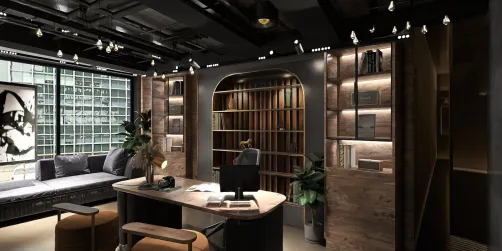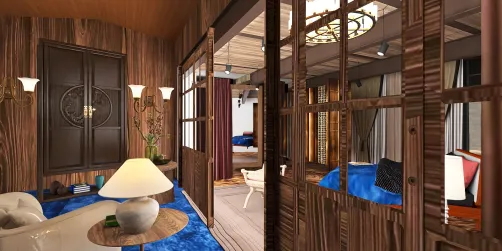
Once, a client requested a powder room designed to feel like "all sunshine" with vibrant yellow tiles covering every surface. I quickly discovered that an overabundance of brightness can create an unsettling atmosphere reminiscent of a dentist’s waiting room. After toning down the intensity and pairing the yellow with cool greys, the design finally came together beautifully. To visualize that adjustment, I sketched a layout, and it truly rescued the project — and my client’s sanity. You can adopt a similar strategy to experiment with scale and color balance by creating a quick layout sketch using tools like Homestyler.
1. Radiant Accent Wall Surrounded by Soft Grey
One of my favorite techniques is to create a bright yellow accent wall while the remaining walls boast a soft dove grey. This approach highlights the yellow without overwhelming the space. It’s an economical and tenant-friendly option, though be cautious when selecting the undertone to ensure that the yellow harmonizes with the grey.
save pin
2. Marble with Mustard Accents
If space or budget constraints hinder wall painting, consider using grey marble-like tiles complemented by mustard-colored towels, soap dispensers, and a striking mirror for a touch of elegance. The marble introduces texture and serves as a neutral backdrop, while mustard infuses warmth and personality into the design. However, take into account maintenance concerns; lighter marbles can exhibit dirt, so I recommend opting for honed finishes or porcelain tiles that emulate stone for easier upkeep.
save pin
3. Grey Cabinets with Yellow Hardware Accents
Matte charcoal or mid-grey cabinetry projects a modern vibe. By substituting in brass or matte yellow hardware, you can introduce a playful element to the look. This small adjustment feels luxurious but is budget-friendly. If you’re uncertain, test one drawer first — sometimes hardware that looks great in photos requires natural light to truly shine. Additionally, keep layout in mind: applying kitchen work triangle principles helped me effectively place cabinets in cramped bathrooms.
save pin
4. Decorative Tiles: Grey Base with Yellow Designs
Incorporating patterned encaustic or printed tiles in shades of grey with accentuated muted yellow can lend vintage charm or a modern edge, depending on the scale of the design. These tiles work beautifully on floors or within shower niches. However, be mindful of the permanence of tiles; I often advise clients to limit larger designs to smaller areas, like a backsplash strip, especially for those who enjoy refreshing their style regularly.
save pin
5. Cozy Lighting and Textiles that Emphasize Yellow
Utilizing soft, warm lighting and layered textiles such as a matte grey bath mat, pale yellow towels, and a linen shower curtain can transform a stark design into a welcoming retreat. For wet areas, it’s smart to designate a shower corner that employs non-porous materials and chosen accent colors; I often visualize this as a spa-inspired space before actual installation using Homestyler, ensuring it meets both aesthetic and functional standards.
save pin
FAQ
Q1: Which yellow works best with grey?
I typically suggest muted butter or warm ochre hues. These shades add warmth without clashing against the cool tones of grey; always test paint swatches in the room’s lighting prior to finalizing your choice.
Q2: Will the use of yellow make a small bathroom appear smaller?
Not if implemented thoughtfully. Bright yellows used on ceilings or accent walls can actually enhance the perception of space when balanced with neutral greys and reflective surfaces.
Q3: Are grey tiles easy to maintain?
In general, medium-toned greys conceal dirt better than bright whites, yet they tend to show soap scum more than darker shades. Opt for glazed porcelain tiles in wet areas to reduce maintenance needs.
Q4: How do I avoid color clashes?
Follow a simple guideline: one primary neutral (grey), one accent color (muted yellow), and two different textures (matte and metallic or stone). This approach helps maintain balance and visual appeal.
Q5: What is the best finish for fixtures?
Brushed brass or matte black finishes beautifully complement yellow and grey palettes. Brass offers a warm and vintage feel, while black presents a modern, striking contrast.
Q6: Can I mix patterns utilizing yellow and grey?
Absolutely—just vary the scale, not the style. Pair a large geometric design for the floor with smaller floral tiles for a niche, while keeping the color scheme restricted to yellow, grey, and white to avoid overcrowding the visual space.
Q7: Do building regulations influence bathroom layout plans?
Yes, there are minimum ventilation and clearance specifications that must be met; consulting the National Kitchen & Bath Association (NKBA) and local building codes ensures compliance before designing.
Q8: Is yellow paint suitable for humid bathrooms?
Use high-quality, mildew-resistant satin or semi-gloss paint in humid environments. For consistently damp locations, choose tiles or water-resistant panels instead of paint.
save pin
Homestyler is your go-to online home design platform! With its user-friendly design tool, stunning 3D renderings, and a wealth of design projects and DIY video tutorials, transforming your space has never been easier. Unleash your creativity and start designing your dream home today!