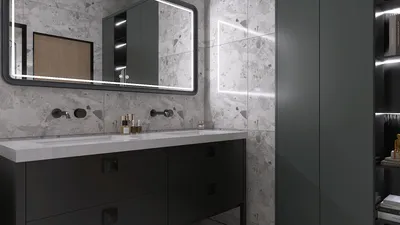


Black granite is a preferred option for kitchens due to its impressive durability combined with a classic high-contrast appearance. Throughout my experience managing various mid- to high-traffic household projects, the total costs for installing black granite countertops usually vary between $55 and $125 per square foot. For some premium stones and intricate edge designs, prices can escalate to $140-$170 per square foot. The exceptional hardness and heat resistance of this material make it ideal for daily cooking, which is why many clients select it for kitchen islands and areas that see heavy use.
When determining costs, it is crucial to consider tangible outcomes within the space. Research conducted in workplaces indicates that material selections and visual comfort are linked to perceived quality and productivity; this principle holds true in kitchens where surfaces must facilitate daily routines and maintenance. Insights from color psychology suggest that darker surfaces may reduce visual clutter and enhance focus—which is part of the allure of black finishes in busy work areas. For a deeper understanding of the relationship between environmental quality and performance, ongoing investigations by Steelcase reveal how material and environmental choices impact behavior, offering guidance when assessing finishes in multi-user homes.
To establish realistic budgets, I dissect the project into categories such as stone selection, slab yield, fabrication complexity, installation logistics, and aftercare. It's important to note that black granite comprises various types; absolute black, black pearl, nero galaxy (commonly referred to as black galaxy), and honed blacks differ in density, finish, quarry origin, and price tier. If your design includes sizable peninsulas, waterfall returns, or mitered thick edges, anticipate increased costs due to extended labor hours and handling risks.
Core Price Ranges for Black Granite
- Entry to mid-tier polished black granites (e.g., Black Pearl, Impala Black): approximately $55–$85 per square foot installed.
- Premium dense blacks (e.g., Absolute Black, Zimbabwe Black) or slabs with low variation: $85–$140 per square foot installed.
- Specialty finishes and detailing (honed, leathered, flamed/brushed, waterfall edges, radius corners): add on $10–$30 per square foot, with waterfall edges costing an additional $800–$1,600 per side in numerous markets.
- Full-height granite backsplash (3/4"): costs between $40–$70 per square foot installed if bundled with a countertop order; standalone backsplashes typically come at a higher price due to mobilization costs.
Factors Influencing Pricing
- Slab grade and origin: Denser stones with low porosity and minimal inclusions usually attract higher price tags.
- Finish: Polished is the standard; honed or leathered finishes incur additional costs due to the necessity of extra processing and sealing.
- Slab yield and seams: A 9–11 ft island might necessitate book-matched or oversized slabs; wasted off-cuts can elevate your per-square-foot expenses.
- Edge profile: Eased or flat edges are the standard; however, ogee, Dupont, or intricate miters require additional labor hours.
- Cutouts: Factors like undermount sinks, cooktops, pop-up outlets, and faucet holes range from $45 to $300 each depending on complexity.
- Reinforcement: Overhangs that exceed 10–12" typically necessitate concealed steel or brackets; expect to allocate $150–$400 per span.
- Site conditions: Factors such as stairs, narrow turns, or high floors without elevator access can lead to increased delivery and risk surcharges.
- Market and timing: Fluctuations in regional labor rates, fuel costs, and shipping may shift stone prices by 8–15% annually.
Layout and Slab Planning
It is advisable to finalize your layout before reserving slabs. I prefer to simulate seam placements, overhangs, and appliance clearances to safeguard both budget and functionality. If you are adjusting a peninsula angle or enlarging an island, utilizing a quick digital mockup can help prevent unexpected costs. Homeowners looking to plan their space should consider using an interior layout planner to visualize aspects such as island dimensions, seating depth, and traffic flow before purchasing stone.
Finish Choices: Polished vs. Honed vs. Leathered
- Polished: Offers maximum reflectivity and slightly superior stain resistance when sealed. Displays fingerprints less than honed finishes but more than leathered options.
- Honed: Provides a matte, elegant appearance; it may reveal oil marks and fingerprints prior to proper sealing and maintenance. I recommend using a penetrating sealer with an enhancer to achieve richer blacks.
- Leathered (brushed): This textured finish masks smudges and minor scratches effectively; anticipate an increase in fabrication costs and inquire about sealing schedules with the fabricator.
Comparing Black Granite and Alternatives
- Black Quartz: Features a more uniform and predictable pricing structure ($70–$120 per square foot installed), excellent stain resistance, but reduced heat tolerance under localized high temperatures.
- Soapstone (darkened): Offers a luxurious feel and heat tolerance, yet it is softer—expect to develop a patina and occasional mineral oil finishing. Costs generally range between $85 and $140 per square foot.
- Sintered or Porcelain Slabs: Available in large formats that minimize seams and feature matte blacks; prices can vary widely ($90–$180 per square foot), and edge finishing may differ from natural stone.
Practical Budget Examples
- 40 sq ft L-shaped space with a standard undermount sink and eased edge, featuring polished Black Pearl: $3,200–$3,900 installed.
- A 60 sq ft kitchen encompassing a 9' island with one waterfall edge, honed Absolute Black, and two cutouts: $6,800–$9,400 installed.
- A compact galley measuring 28 sq ft with a cooktop cutout and full-height backsplash behind the range: $2,300–$3,100 installed.
Managing Lighting, Glare, and Color Balance
Black surfaces absorb light. Combine them with 3000–3500K task lighting providing 300–500 lux on the work surfaces for comfortable food preparation and to minimize eye strain. This approach is consistent with illuminance principles outlined in IES standards. Should your kitchen rely on natural light, opting for matte or leathered finishes can decrease glare and maintain clear contrast on the cutting board.
Considering Ergonomics, Overhangs, and Seating
For islands with seating, ensure a knee clearance of 24" per stool, along with an overhang of 12–15" depending on the stool height. I typically recommend a 1 1/4" (3 cm) slab thickness for spanning areas while incorporating hidden steel if overhangs surpass 12". For multi-cook kitchens, optimal aisle widths around islands range between 42 and 48"; it is best to test this layout before finalizing slab sizes using a quick room planning tool.
Maintenance and Sealing
Though most black granites are dense, sealing remains an essential practice. Plan for annual resealing or as directed by the product guidelines; conduct a simple water drop test—if the stone darkens within minutes, it’s time for resealing. Utilize pH-neutral cleaners, avoid harsh acids and alkalis, and always employ trivets for hot pans to protect finishes and sealers.
Sustainability Considerations
Natural stone boasts longevity and can be repaired. You can minimize waste by optimizing seam placements, reusing offcuts for windowsills or pastry boards, and selecting local or regionally sourced slabs to lessen transport impacts. Applying a matte finish can enhance perceived durability by concealing wear in busy kitchen environments.
Tips for Procurement I Share with Clients
- Visit the slab yard: Choose specific bundles and record lot numbers to guarantee consistent tones throughout the material runs.
- Template after cabinets are securely installed: Micro-adjustments can prevent rework and ensure edge reveals are protected.
- Approve a seam map: Request a printed or digital seam plan, particularly when dealing with veined stones or large islands.
- Confirm sink and appliance specifications: Fabricators require exact models for cutouts and clearance.
- Schedule installation after flooring and painting: This practice minimizes the risk of damage and dust contamination.
Cost Checklist Before Signing
- Stone tier and precise slab count
- Finish options (polished/honed/leathered) and edge profile
- Number of cutouts and their types
- Backsplash specifications and height
- Reinforcement and brackets for overhangs
- Type of sealer and maintenance strategy
- Delivery constraints (stairs, tight access)
- Lead times and slab hold policies
Frequently Asked Questions
Most kitchen installations range between $55 and $125 per square foot, with premium dense blacks and complex edge styles often costing between $140 and $170 per square foot.
On average, expect a price increase of $10 to $20 per square foot due to added finishing and sealing requirements. Leathered finishes can be similar or marginally higher based on the fabricator's pricing.
Darker surfaces may create a sense of visual compression within a space, but by pairing them with lighter cabinetry, warm 3000–3500K lighting, and matte finishes, it is possible to keep the room well balanced.
Source larger slabs if they are available, consider adjusting the island length to accommodate slab yields, or use a mitered build-up for a seamless waterfall edge. Always review a seam map before beginning fabrication.
Indeed. Even stones that are dense should benefit from a penetrating sealer. Test annually and reseal if water darkens the stone’s surface quickly.
Eased or smaller radius edges are economical and durable. Elaborate edges tend to increase fabrication time without delivering functional advantages in most contemporary kitchens.
Under-lit black countertops can create a gloomy atmosphere. Ensure task lighting provides 300–500 lux at 3000–3500K and consider matte textures to reduce glare, in line with IES lighting standards.
While black granite is highly heat-resistant, sealers and finishes are not. Always employ trivets for heavy, prolonged heat exposure to avoid leaving marks.
Typically, Absolute Black is denser and more uniform, placing it in a higher price category. In contrast, Black Pearl tends to display visible flecks and greater variation, usually at a mid-tier cost.
Plan for comfortable circulation with a width of 42–48" in multi-cook kitchens. It's essential to confirm clearances in the design phase before finalizing slab sizes with a layout simulation tool.
Yes, anticipate an additional cost of $40–$70 per square foot if ordered alongside countertops. This approach provides a cohesive aesthetic and simplifies cleanup behind the range.
Texture can retain oils if not sealed properly. With a quality penetrating sealer and regular maintenance, leathered finishes perform excellently and mask fingerprints more effectively than honed surfaces.
After templating, the fabrication phase typically takes 5 to 10 business days, with on-site installation being completed within 3 to 6 hours for standard kitchen setups.
Timeless materials characterized by neutral palettes generally maintain their value well. Uniform, dense black stones with clean edges and well-planned lighting tend to photograph attractively for real estate listings.
Discover your dream space with Homestyler! This user-friendly online home design platform offers an intuitive design tool, stunning 3D renderings, and a wealth of inspiring design projects. Plus, you can learn with engaging DIY video tutorials. Transform your home effortlessly today!
Diseño ahora GRATIS
































