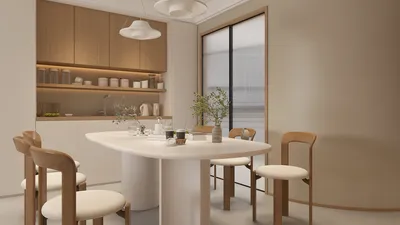


Having spent over ten years in the realm of compact home renovations, I’ve observed how contemporary interior design trends — think airy neutral tones, gentle pastels, and contrasting details — can metamorphose tight spaces into serene and stylish havens. Small areas often ignite abundant creativity: selecting the right colors can instantly make a room appear more spacious, brighter, and purposefully designed. In this article, I’ll present five practical design inspirations that highlight the best paint colors for small living rooms, blending personal project anecdotes with expert insights and useful suggestions. To ensure a streamlined design approach, I frequently utilize digital tools like Homestyler to experiment with minimalist color palettes before any paint is applied.
Soft Neutrals for an Airy Atmosphere
My Perspective
I regularly incorporate soft neutrals including warm whites, light greiges, and delicate taupes in various small living room designs. In the early stages of my career, I remodeled a 420 sq ft apartment, and replacing a dull off-white with a warm greige instantly created a sense of added space.
Benefits
Soft neutrals are often the preferred choice when selecting optimal paint colors for small living rooms due to their ability to reflect light and maintain visual harmony. These hues harmonize beautifully with both natural and layered lighting, allowing furniture forms to stand out without overwhelming the eye.
Drawbacks
However, they can sometimes seem uninspired if the room lacks sufficient contrast or texture, resembling a bland beige cave. I have learned to enhance this effect by introducing contrasting trims, darker ceiling beams, or textured fabrics to ensure the space feels curated rather than sterile.
Advice
Conduct tests with paint samples on three different walls, observing them at both morning and evening light. I recommend a satin finish for walls to softly reflect light, whereas a matte finish can be ideal for feature areas to conceal minor flaws.
save pin
Light Pastels to Provide Subtle Depth
My Take
Light pastels such as dusty blush, muted mint, or soft powder blue offer small living rooms character without compromising spaciousness. For instance, I employed a whisper-blue in a client’s pied-à-terre, which effectively anchored the space while maintaining brightness.
Advantages
Light pastels are unobtrusive yet striking: they serve as ideal paint color selections for small living room owners desiring a touch of color without sacrificing openness. Pastels can gently reflect daylight, imparting a fresh and thoughtfully curated ambiance.
Disadvantages
Pastel shades can reveal various undertones under certain lighting; for example, a cool blue may appear grayish under warm LED bulbs. I prefer to synchronize lighting with textiles to guarantee the pastels display as envisioned.
Example
For a renter-friendly option, consider peel-and-stick accent panels or painting a single pastel wall behind a sofa, allowing easy updates to the room's ambiance without necessitating a complete repainting.
save pin
Warm Beige with Natural Accents
My Insight
Warm beige is a dependable option when aiming for a cozy and grounded feel. In a minimalist loft I designed, combining a soft beige wall with oak shelving and rattan furniture created a layered, sanctuary-like effect in the living room.
Benefits
Warm beige stands as one of the top paint colors for small living room designs featuring natural elements because it accentuates the warmth of wood. This color is remarkably flexible with accessories, and the long-tail keyword paint color ideas for small living room with wood accents has proven successful in my projects.
Drawbacks
Beige may appear outdated if it is overly yellow or brown; selecting a beige with subtle gray undertones gives a modern vibe. I once chose a beige that looked too foamy under fluorescent lighting, which taught me to always assess swatches in real lighting conditions.
Advice
Balance warm beige walls with cooler textiles or a cooler-toned rug to maintain a contemporary feel. Integrating medium-toned natural wood keeps the color scheme cohesive and prevents the area from appearing washed out.
save pin
Crisp White with Layered Texturing
My Take
Crisp white continues to be a classic answer to the query of the best paint color for small living rooms when complemented with intentional textural elements. I employed a clean white on the walls of a client’s 380 sq ft loft, layering it with woven throws, plaster finishes, and matte ceramic lamps to avoid a sterile appearance.
Pros
White creates an illusion of spaciousness by enhancing perceived boundaries; it is particularly effective in north-facing spaces, maximizing reflected daylight. For individuals searching for paint color ideas for small living rooms emphasizing simplicity, white offers a blank yet versatile canvas.
Cons
However, pure white can feel chilly, and smudges tend to be more prominent — a point I often remind families with children. Additionally, it requires strategic styling: white + minimalism can look stunning when furniture and lighting are thoughtfully selected, or else the area may risk looking sparse.
Advice
Opt for a soft white with a hint of warm or cool undertones tailored to your light source. If durability is a concern, choose washable, higher-sheen finishes for lower walls.
save pin
Bold Accent Wall for Added Depth
My Take
Introducing a deep accent wall — whether it’s navy, charcoal, or forest green — can visually recede one wall and create the illusion of more depth. In a compact riverside flat I worked on, a deep green wall behind the sofa created an inviting, intimate atmosphere instead of a cramped one.
Pros
When positioned as a focal point, a darker shade can enhance perceived dimension, serving as an effective strategy for those looking to add drama. Pairing a deep accent wall with lighter surrounding walls ensures the darker color recedes rather than overwhelming the space.
Cons
If all walls are painted dark, they can create a constricted feel — I’ve conducted this experiment for clients to demonstrate the impact. Dark accents necessitate careful lighting and lighter furnishings to prevent the area from feeling boxy.
Cost Consideration
An accent wall allows you to achieve a striking appearance with minimal paint and labor costs. For renters, consider using temporary wallpaper or removable paint films to first sample the visual effect.
save pin
Conclusion
Small living spaces do not restrict style; instead, they encourage smarter design choices. Whether you opt for soft neutrals, pale pastels, warm beige with natural materials, crisp white with textures, or a single deep accent wall, the crucial aspect lies in coordinating light, finish, and furnishings. My extensive portfolio indicates that the best paint color for small living rooms is one that complements your light and lifestyle, rather than opposing them. For more technical information regarding light reflectance, consulting paint manufacturers’ color data can provide scientifically backed insights — for instance, Sherwin-Williams offers valuable resources on how light and finish interact with colors. Which of these five ideas are you most eager to experiment with in your living room?
save pin
Frequently Asked Questions
1. What is the top best paint color for a compact living room?
There is no definitive best color — soft neutrals (like warm whites and light greiges) most consistently deliver results because they reflect light and offer a flexible backdrop. Always test samples in natural light prior to finalizing your choice.
2. Do dark colors make my compact living room appear smaller?
While dark colors can visually recede walls when used as an accent, painting every wall dark typically diminishes the perceived space. Apply deeper shades selectively, complemented by lighter adjacent walls and ample illumination.
3. Are warm beiges preferable to cool grays in small spaces?
Warm beiges produce a snug, enveloping atmosphere, whereas cool grays tend to give a cleaner and more contemporary feel. The choice hinges on the desired mood: cozy versus modern — both can be excellent for small living rooms if balanced appropriately.
4. How do I select the right paint finish for a small living room?
Satin or eggshell is generally optimal for small living areas: they reflect sufficient light to maintain brightness while effectively concealing minor imperfections compared to high-gloss. Reserve matte finishes for ceilings and textured areas.
5. Can the color temperature (warm vs cool) impact the perceived size of a room?
Indeed. Warm colors may create a cozier and sometimes smaller appearance, while cool colors often lend a more expansive feel. Nonetheless, the interplay with natural light and furnishings usually governs the final perception.
6. How many colors should I incorporate in my small living room?
Maintain a simplified palette: select a predominant wall color, one neutral for trim, and one or two accent tones in textiles or artwork. Minimal, cohesive color schemes tend to make compact areas feel larger and more thoughtfully designed.
7. Is there expert guidance on selecting light-reflective colors?
Certainly — paint manufacturers such as Sherwin-Williams provide technical manuals on Light Reflectance Values (LRV) that assist in forecasting color light reflection. Referring to Sherwin-Williams’ documents can be beneficial when making selections.
8. Should I consider sample containers or peel-and-stick options first?
Always test your options. Sample containers allow you to paint actual sections and observe colors under varying light conditions; removable wallpaper or temporary paints can facilitate a trial look without full commitment, particularly advantageous for renters.
save pin
Discover the ease of home design with Homestyler! This user-friendly platform offers a powerful online design tool, stunning 3D renderings, and a wealth of DIY video tutorials. Whether you're a beginner or a seasoned designer, you can effortlessly transform your space into a masterpiece.
Diseño ahora GRATIS
































