I vividly recall a time when I transformed an entire living room into a stunning deep teal, only to receive a panicked call from the client—apparently, the afternoon sun turned it into an electric hue. That moment of anxiety is precisely why I now recommend testing paint colors in their intended spaces. It's also the reason I prefer to visually plan a small room before purchasing large quantities of paint.
In compact spaces, every decision counts, and selecting the right paint brand can differentiate between a comforting atmosphere and a claustrophobic room. Below, I present five practical inspirations derived from real-world projects, complete with advantages, potential drawbacks, and budget-friendly tips.
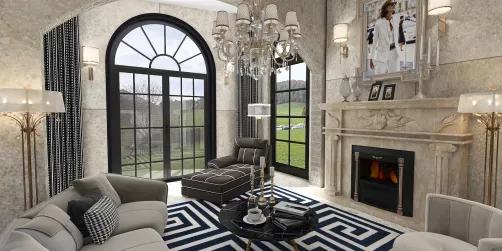
1. Timeless Neutrals: Dependable brands with effective coverage
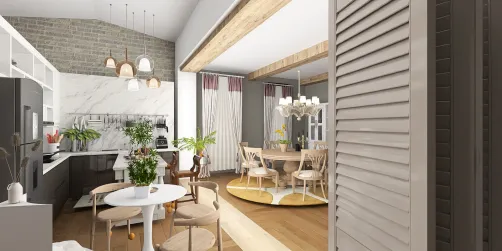
When clients seek a reliable and enduring backdrop, I often turn to Benjamin Moore or Sherwin-Williams. These brands ensure consistent pigmentation and exceptional coverage, often requiring fewer coats—thereby saving on labor costs over time. The only downside? Premium brand prices can be higher upfront, but they tend to perform better over the years regarding touch-ups.
save pin
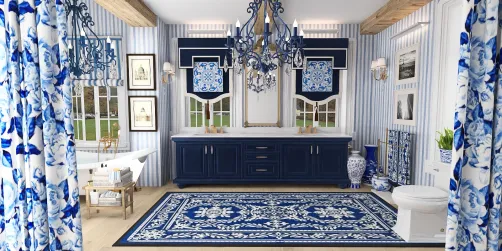
2. Moody Accent Walls: Create drama with specialty paints
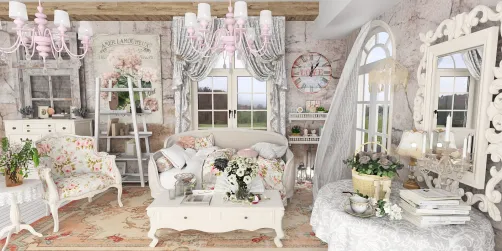
For an accent wall, I recommend exploring premium lines from Farrow & Ball or Behr—these options offer rich color depths and exquisite sheens that photograph beautifully. However, they can also emphasize surface imperfections, making proper preparation and quality priming essential. A fun tip: apply a 2x2 ft paint sample directly to the wall instead of using a paper chip to accurately evaluate how light affects the color.
save pin
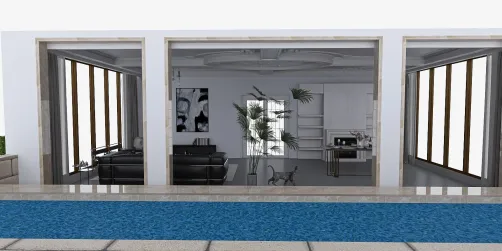
3. Ultra-Bright Whites: High-reflective options for small areas
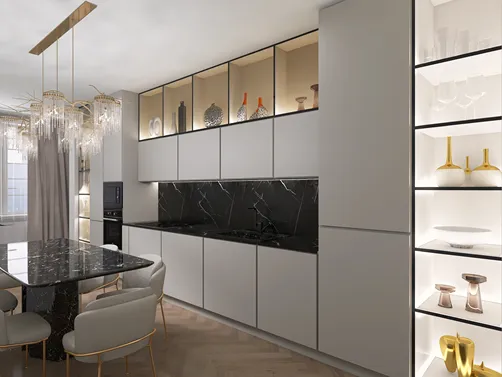
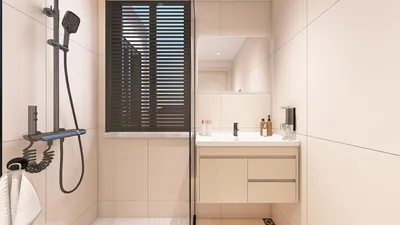
To make a narrow hallway or bathroom appear more spacious, consider using a high-reflectance white from popular ranges of Sherwin-Williams or Benjamin Moore. Before making a final decision, I often ask clients to create detailed floor plans and identify window placements to forecast how light will interact with the walls—this helps avoid the dreaded "hospital white" look. Though these whites are accommodating, they can reveal scuffs, so opting for a satin or washable finish is advisable.
save pin
4. Washable Finishes for Family-Friendly Spaces
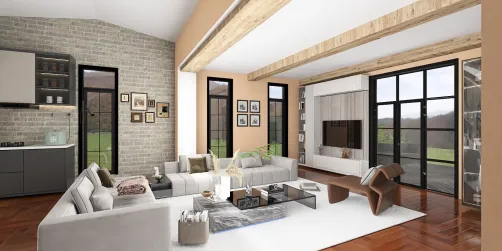
Homes with children or pets benefit from paints labeled as washable or scrubbable—brands like Valspar and Dulux offer affordable options that can endure frequent cleaning. While they may have less pigment saturation than their high-end counterparts, the durability they provide often justifies the compromise. I always encourage clients to test cleaning methods on a hidden strip first.
save pin
5. Low-VOC & Eco-Friendly Choices: Stylish options for healthier homes
For families with allergies, I lean towards Green Seal or low-VOC ranges from established brands—their color and finish options have significantly improved. Eco-friendly paints might be slightly more expensive and may perform differently during application, but the benefits for indoor air quality are substantial. If you’re considering updating your kitchen, it’s wise to experiment with color samples and opt for a stain-resistant finish near cooking areas.
save pin
FAQ
Q1: What’s the best paint brand for interior walls?
I typically recommend Benjamin Moore or Sherwin-Williams due to their reliable pigments and coverage; for budget-conscious durability, Valspar and Behr are commendable. Your ideal brand will also depend on the finish and the specific use of the room.
Q2: Which finish should I select for interior walls?
Eggshell or satin finishes work wonderfully in living spaces and bedrooms, while semi-gloss is perfect for trim and areas with high moisture. Flat finishes conceal imperfections but aren't as washable.
Q3: Are low-VOC paints worth consideration?
Absolutely—particularly in poorly ventilated areas or for sensitive individuals. Low-VOC paints minimize odors and indoor pollutants while maintaining aesthetic appeal.
Q4: How many coats are required for interior walls?
Typically, two coats over a primer yield an even finish; however, high-quality paints sometimes only require one. Always account for primer when making significant color changes.
Q5: Is a primer necessary?
Using a primer enhances adhesion, conceals stains, and can decrease the number of finish coats needed. I recommend it for new drywall, repairs, or when shifting from dark to light colors.
Q6: What’s the best way to effectively test paint colors?
Apply a 2x2 ft sample directly on the wall and observe it at different times during the day. The lighting variations can drastically alter your perception of color.
Q7: Are there official guidelines regarding indoor paint safety?
Yes indeed. According to the U.S. Environmental Protection Agency (EPA), opting for low-VOC paint choices and ensuring adequate ventilation substantially reduces indoor air pollution and enhances overall air quality.
Q8: Is it possible to achieve professional results within a budget?
Definitely—choose a reliable mid-range brand, invest in quality brushes and rollers, and focus on thorough preparation. Proper masking and surface repairs will elevate the appearance of less expensive paint.
save pin
Discover your home's potential with Homestyler! This user-friendly online design platform offers a powerful design tool, stunning 3D renderings, and a wealth of inspiring design projects. Plus, with DIY video tutorials, you can effortlessly create your dream space—perfect for everyone, from beginners to pros!